





| Style Type | Key Design Choices | What It Conveys |
|---|---|---|
| Minimalist | Clean cuts, neutral colours, simple fabrics | Clarity, discipline, modern thinking |
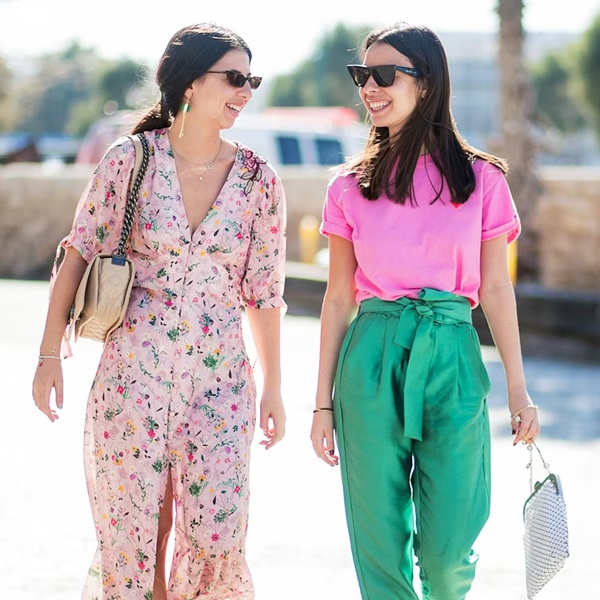
| Eclectic | Mixed prints, layered looks, bold accessories | Creativity, confidence, openness |
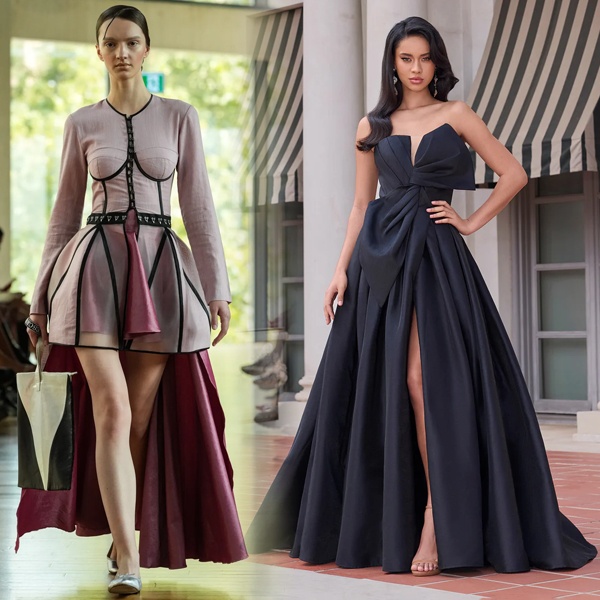
| Avant-garde | Unusual shapes, experimental textures | Individuality, risk-taking, strong self-view |
| Aspect | Traditional Design | Eco-Centric Design |
|---|---|---|
| Fabric use | High wastage during cutting | Planned layouts reduce waste |
| Materials | Synthetic or mixed fibres | Natural or responsibly sourced fabrics |
| Production | Focus on speed and volume | Focus on longevity and impact |
| Cost thinking | Lower upfront cost | Better long-term value |
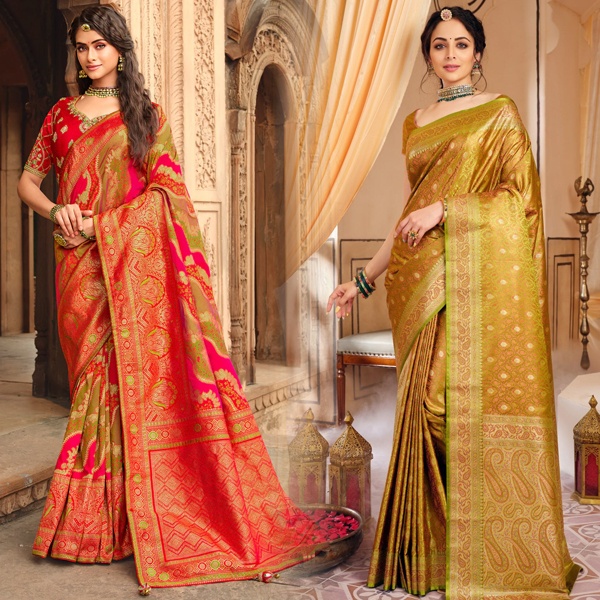

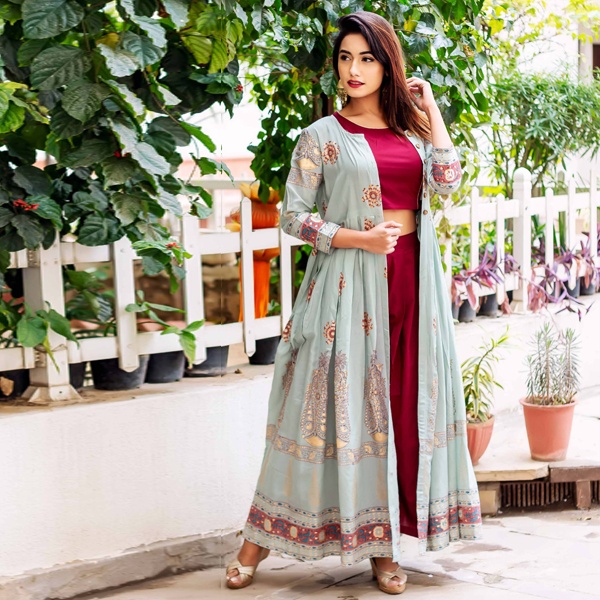
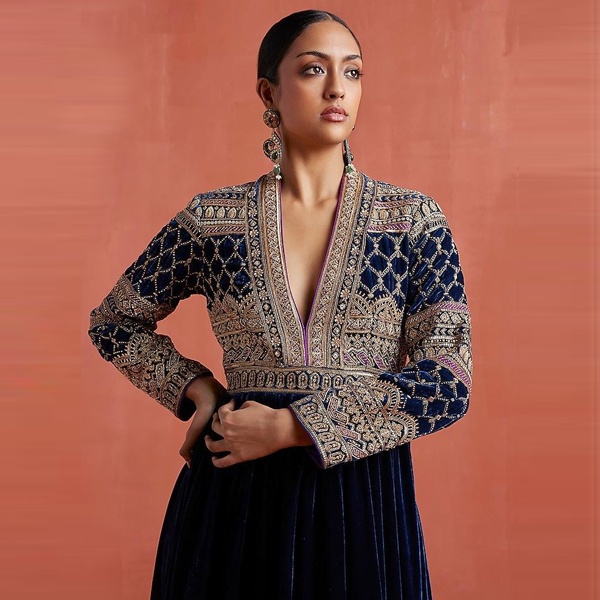

Fashion design influences what we wear every day, from college outfits to office clothes. Designers focus on comfort, fit, climate and lifestyle, which helps people dress confidently and practically in daily situations.
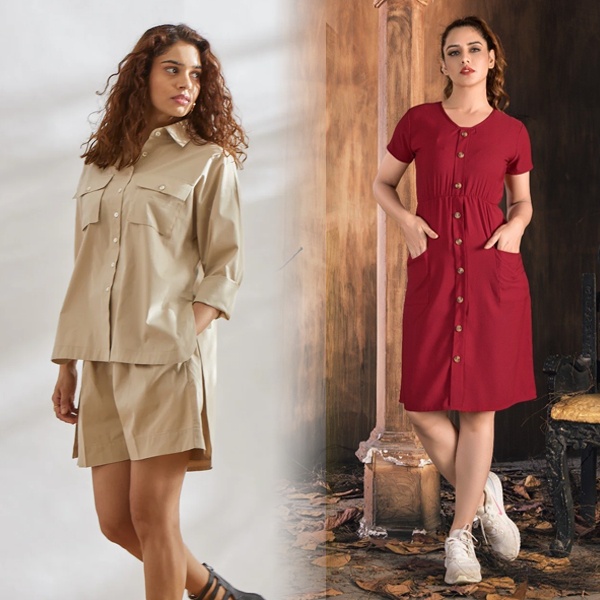
Indian daily wear needs to suit weather, culture and budget. Fashion design helps create breathable fabrics, functional silhouettes and affordable styles that work well for Indian conditions and routines.
Yes. Designers study body movement, fabric behaviour and usage. This leads to comfortable clothing like relaxed kurtas, stretchable jeans and easy fit tops suitable for long hours.
Fashion design introduces new colours, cuts and combinations. People adapt these ideas to express their personality through daily outfits without spending a lot of money.
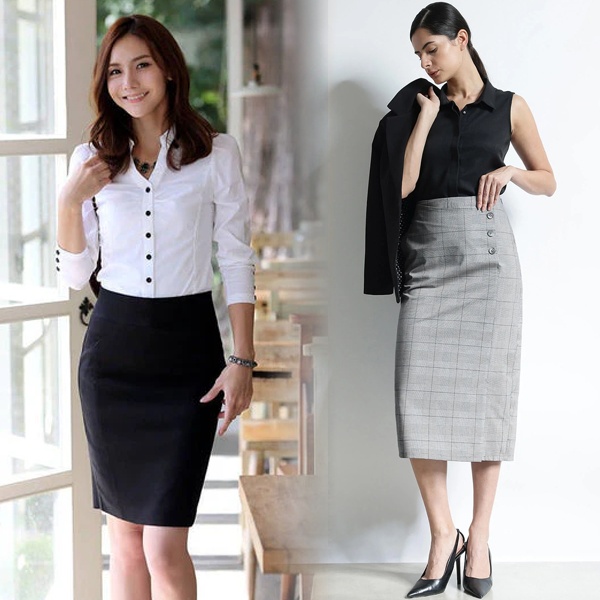
Fashion design improves workwear by balancing professionalism and comfort. Office wear, school uniforms and service industry clothing now focus on fit, durability and ease of movement.
Designers plan styles that work with cost effective fabrics and local production. This helps brands offer trendy daily wear within common Indian budgets like ₹ 500 to ₹ 2,000/-
Fashion design encourages mindful choices like durable fabrics, timeless styles and reduced waste. This helps people wear clothes longer and shop more responsibly.
Yes. Fashion design education teaches how design decisions affect real life clothing. Students learn how small design details improve comfort, usability and appearance in daily wear.
As lifestyles change, designers adapt clothing for work from home, travel and casual outings. Daily fashion now blends comfort with style because of these design changes.
No. Fashion design focuses more on function, comfort and practicality in daily life. Trends come later. Good design always starts with real life needs.
Designers use design thinking - starting with user research on how people move and what frustrates them about clothing. They view practical constraints as creative challenges, using innovative techniques to add style while ensuring functionality.
Yes. Fashion design education teaches proportion, color theory, fabric properties, and fit techniques. This knowledge helps anyone identify quality construction, understand which fabrics suit their lifestyle, and build practical, stylish wardrobes efficiently.
| ABOUT THIS ARTICLE | |
|---|---|
| Published On | 28 Dec 2025 |
| Updated On | 29 Dec 2025 |
| Author | Waves Institute of Fashion Designing |
| Publisher | Waves Institute of Fashion Designing |
| URL | https://articles.wifd.in/how-fashion-design-shapes-daily-life |
CONTACT USWaves Institute of Fashion Designing,