How Sewing Machines Form Clean and Strong Stitches

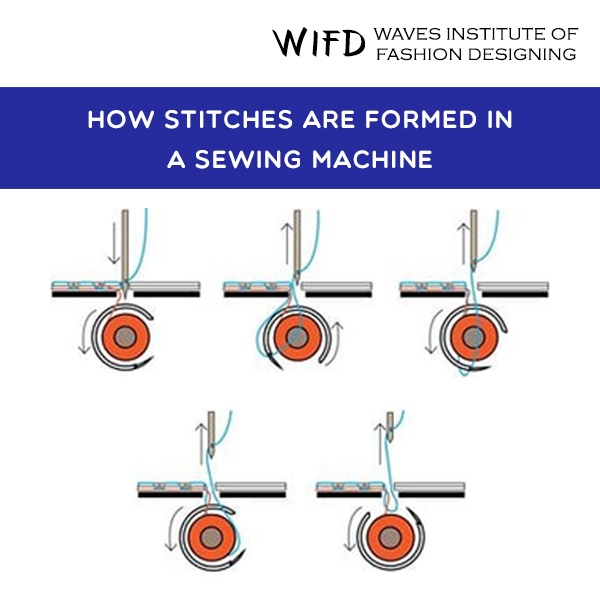
Sewing machine forming lockstitches showing needle, thread and fabric layers in action
Every garment you wear relies on thousands of tiny stitches working together. But how does a sewing machine create these precise loops at incredible speed? A sewing machine forms stitches when the needle, bobbin, hook and feed dogs work in perfect synchronisation. The needle pierces fabric and creates a thread loop. The hook catches this loop and wraps it around the bobbin thread. The feed dogs then move the fabric forward for the next stitch. This process repeats hundreds of times per minute, creating strong, uniform seams. When you understand stitch formation, you can fix problems faster, choose the right stitch type and achieve professional results every time. This knowledge proves especially useful when working with varied fabric types, from delicate cotton voile to heavy denim.
The needle carries the upper thread through the fabric and the machine locks it underneath in a steady rhythm. This process repeats quickly, giving consistent results.

Core Mechanisms Behind Stitch Formation

Needle Mechanism

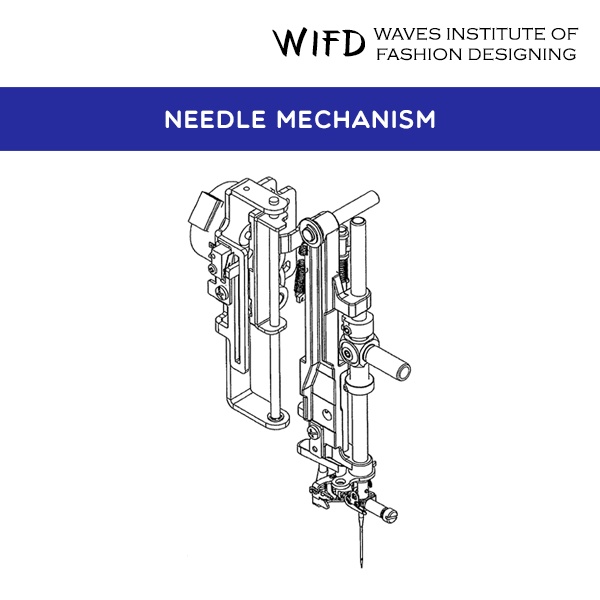
Detailed diagram of sewing machine needle mechanism showing shaft, groove, scarf, eye and point components
The needle initiates every stitch by carrying upper thread through fabric layers. When it rises slightly, it creates a small loop behind the needle. The hook or shuttle then catches this loop to complete the stitch.
The needle consists of five key parts:
  • The shaft holds the needle firmly in the machine.
  • The groove runs along the front and guides thread smoothly.
  • The scarf sits at the back, allowing the hook to catch the thread loop.
  • The eye holds and guides the thread through fabric.
  • The point pierces fabric, with different tip shapes suited for cotton, denim or silk.
The needle moves up and down in perfect timing with the hook and feed dog. Even slight timing errors cause skipped stitches or thread breakage. Correct needle size and proper installation prevent these problems. A bent or incorrect needle causes stitching problems regardless of machine quality.

Bobbin, Shuttle & Hook System

The bobbin sits below the needle plate and supplies lower thread that the hook catches to form stitches. When the needle creates a loop of upper thread, the hook swings or rotates to catch that loop. Once the hook catches the loop, it pulls it around the bobbin case.
There are two common hook systems:
Hook TypeMovementCommon Use
Rotary hookMoves in a full circleIndustrial machines and modern domestic machines
Oscillating hookMoves back and forthTraditional domestic machines
Rotary hooks run faster and smoother. Oscillating hooks work well for home use and cost less than rotary systems. Both systems perform the same job but differ in speed, noise and maintenance.

Feed Dog Mechanism

Sewing machine feed dog mechanism with metal teeth moving fabric under presser foot and throat plate
The feed dog controls fabric movement during stitching. Metal teeth below the throat plate rise, grip fabric and push it forward after each stitch. As the needle lifts, the feed dog rises, grips the fabric and pushes it forward. The presser foot presses the fabric against the feed dog, while the throat plate guides the stitch line. Poor pressure or worn feed teeth lead to uneven stitching or fabric slipping.
Different feed systems suit different tasks:
  • Drop feed suits basic stitching and most home machines.
  • Differential feed controls fabric stretch, common in overlock machines.
  • Walking foot moves the top and bottom layers together, ideal for quilting.
  • Puller feed handles heavy fabrics in industrial sewing.
Choose the feed system based on fabric weight and project requirements.

Tension and Take-Up System

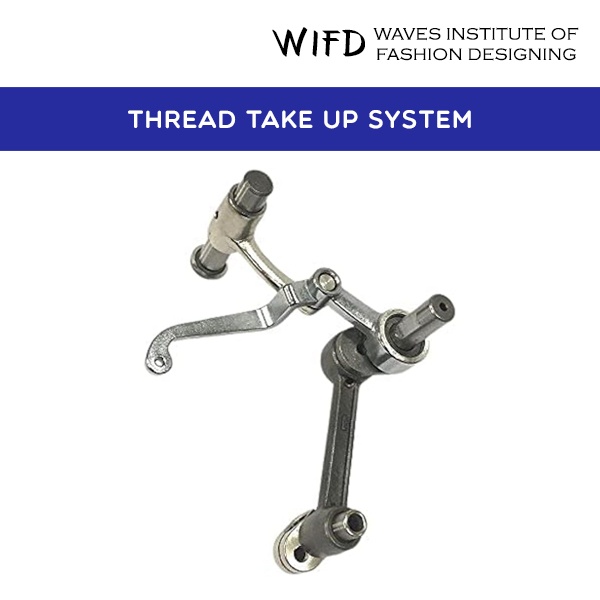
Sewing machine thread tension system and take-up lever controlling upper thread tightness during stitch formation
Thread tension controls how tightly the threads lock together. The take-up lever controls tension throughout each stitch cycle. As the needle rises, the take-up lever pulls back excess thread and tightens the stitch. It also feeds the correct thread length for the next stitch.
Common tension problems include:
  • Loose loops on the underside due to low upper tension.
  • Tight, stiff stitches due to high upper tension.
  • Uneven stitches caused by incorrect bobbin tension.
Master tension adjustment before tackling complex projects.

Understanding Stitch Formation: Looping vs Interlacing

Three distinct actions determine how threads form stitches: interlacing, inter-looping and intra-looping. Each method creates different stitch structures with unique strengths and limitations.
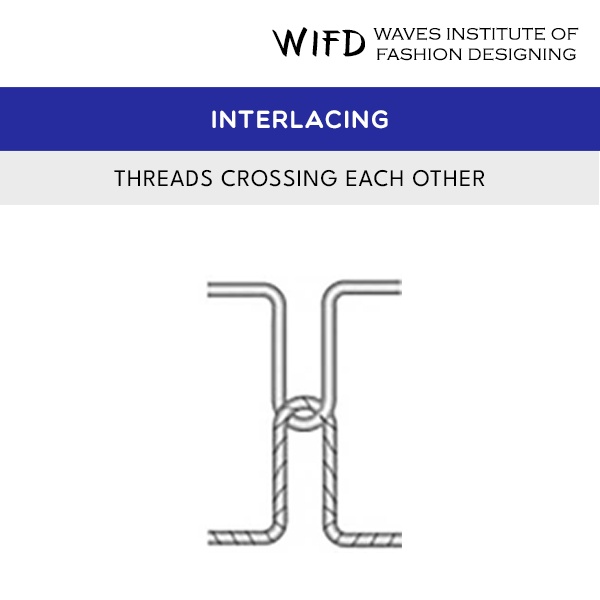
Thread interlacing mechanism showing needle thread and bobbin thread crossing in lockstitch formation

Interlacing

(Threads Crossing Each Other)
Interlacing happens when two threads pass over and around each other without forming loops. The needle thread and bobbin thread cross at regular points to hold the fabric together. This method creates firm and balanced stitches. Plain lockstitch uses interlacing, which makes it ideal for most garments, from cotton kurtis to denim trousers. The stitch lies flat, looks neat on both sides and withstands repeated washing.
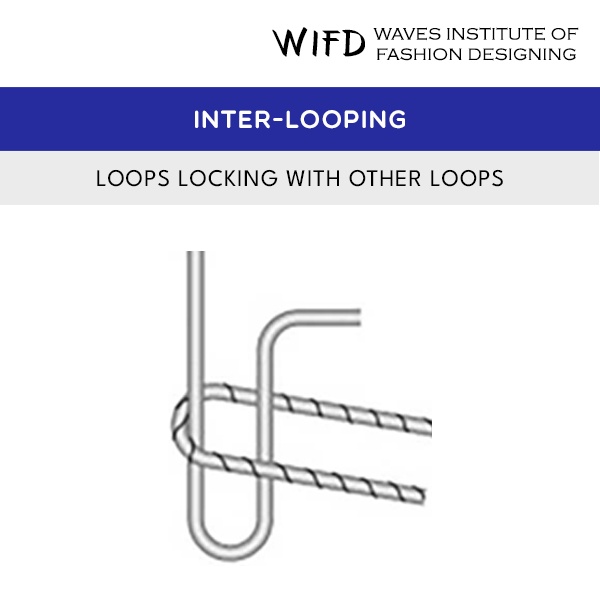
Inter-looping stitch formation with loops from different threads locking together for stretch seams

Inter-Looping

(Loops Locking with Other Loops)
Inter-looping uses loops from different threads that lock into each other instead of crossing tightly. Overlock and chain stitches rely on this action. This stitch type allows more stretch and flexibility. Tailors often use it for knit fabrics, sportswear and T-shirts. The stitch stretches with the fabric and reduces thread breakage during wear.
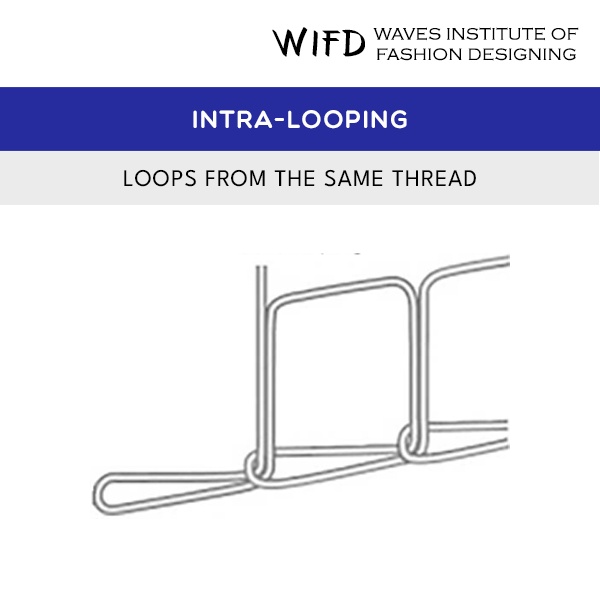
Intra-looping mechanism showing single thread forming loops through previous loops in chain stitch

Intra-Looping

(Loops from the same Thread)
Intra-looping forms when loops from a single thread pass through previous loops of that same thread. No second thread joins the process. This method creates lightweight and elastic stitches. Chain stitching on embroidery machines works this way. It suits decorative work but unravels easily if the thread breaks, so it does not suit stress areas.

Step-by-Step Process: How a Stitch Forms

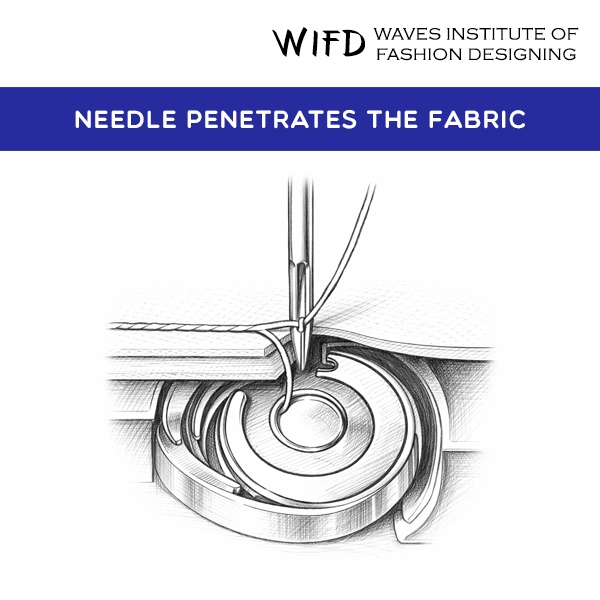
Sewing machine needle penetrating through fabric layers at the beginning of stitch formation process

Needle Penetrates the Fabric

The stitch starts when the needle moves down and pierces the fabric layers. The upper thread passes through the needle eye and enters the fabric smoothly. The feed dogs hold fabric steady, ensuring the needle pierces the correct spot.
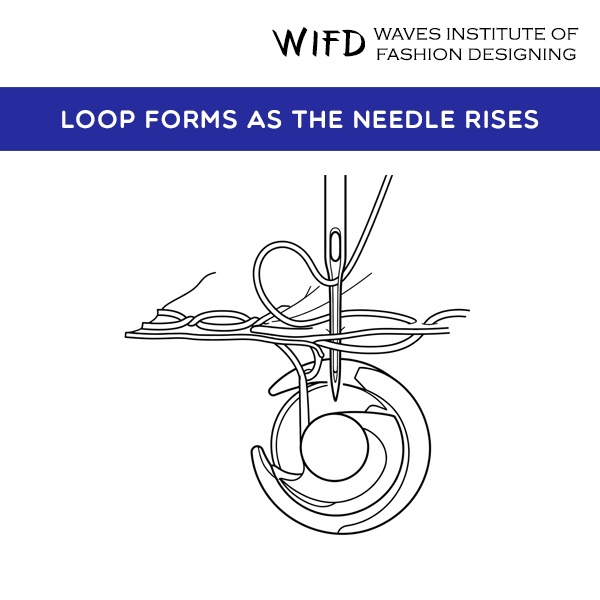
Small loop of upper thread forming behind sewing machine needle as it rises from fabric

Loop Forms as the Needle Rises

As the needle reaches its lowest point, it begins to rise. This upward movement creates a small loop of upper thread behind the needle. The machine times this movement within milliseconds. Timing errors cause skipped stitches instantly.
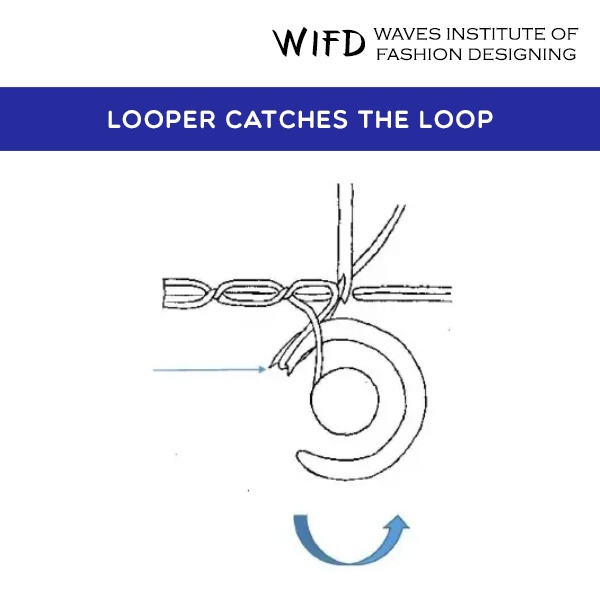
Sewing machine hook or looper catching the upper thread loop around bobbin case

Hook or Looper Catches the Loop

The hook or looper moves around the bobbin area and catches the thread loop. This step creates the actual thread interlock.
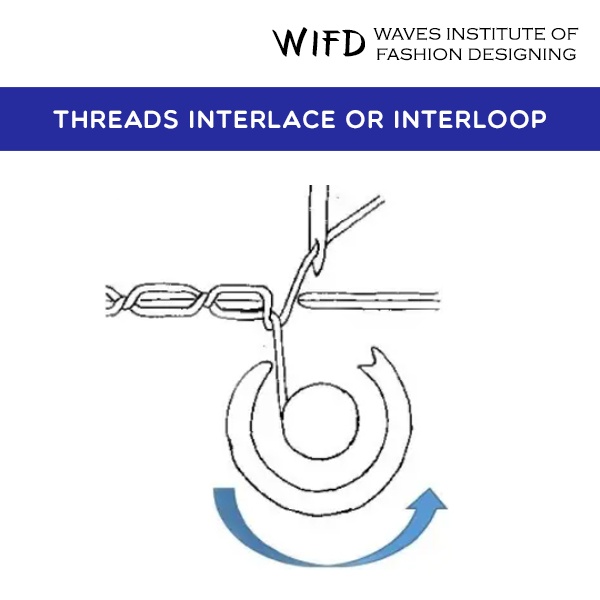
Upper thread and lower thread interlacing to form a complete lockstitch inside fabric layers

Threads Interlace or Interloop

Once the hook pulls the loop around the bobbin, the upper and lower threads interlace. In a lockstitch machine, the threads lock at the centre of the fabric. In chain stitch machines, the threads form loops that link with each other. This interaction creates the actual stitch structure.

Understanding Different Stitch Classes

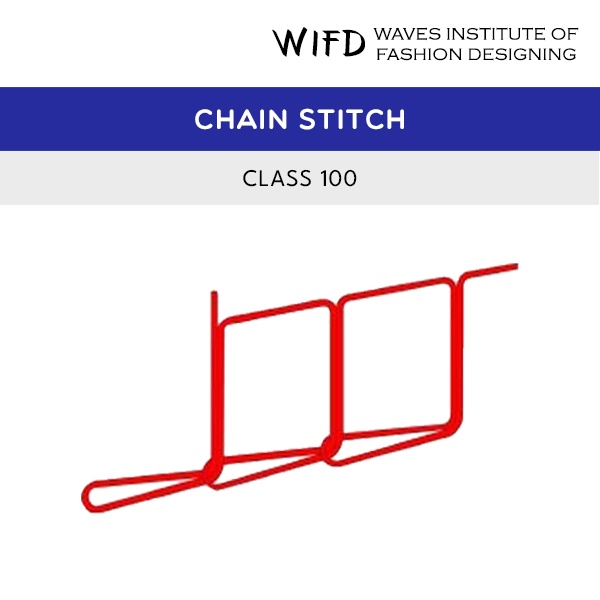
Class 100 single thread chain stitch formation showing continuous loops on fabric underside

Chain Stitch (Class 100)

Chain stitch uses a single thread that forms continuous loops on the underside of the fabric. The needle pulls each new loop through the previous one, creating a chain-like pattern. This stitch allows fast sewing and uses less thread, which reduces cost in large-scale production. Factories use it for temporary seams and decorative stitching. The biggest drawback is durability. If the thread breaks at one point, the loops release one by one. Tailors often avoid this stitch for permanent seams in garments that face regular washing or stress. Common uses include basting, embroidery and decorative seams on ethnic wear.
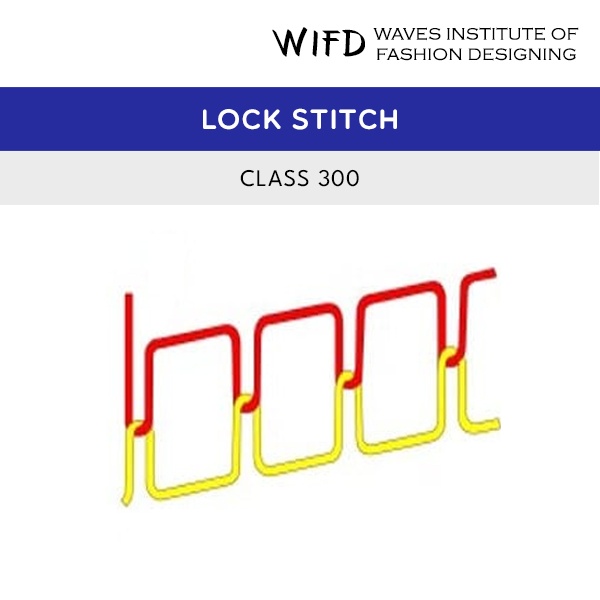
Class 300 lockstitch showing two threads interlocking between fabric layers for strong seams

Lockstitch (Class 300)

Lockstitch uses two threads. The needle carries the top thread, while the bobbin supplies the bottom thread. Both threads interlock exactly between the fabric layers. This construction gives excellent seam strength and a clean finish on both sides. The stitch stays secure even if one stitch breaks, which makes it reliable for daily wear clothing. Almost all household sewing machines use lockstitch. Apparel manufacturers rely on it for shirts, trousers and dresses because it balances strength, neat appearance and ease of alteration.
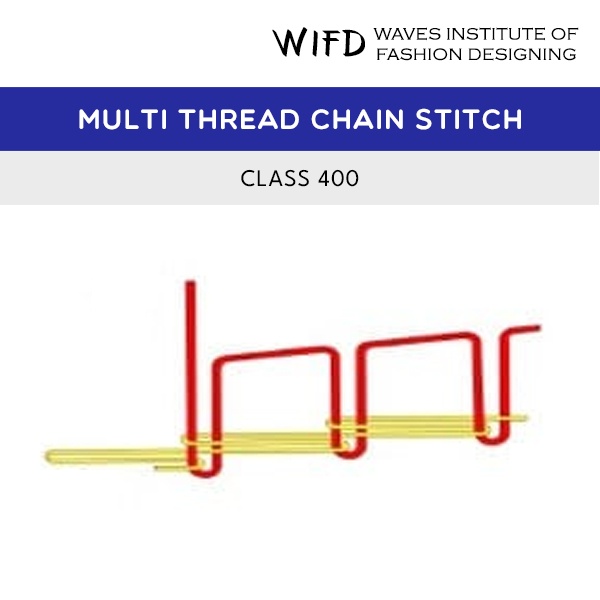
Class 400 multi-thread chain stitch with needle threads and loopers forming flexible seam structure

Multi-Thread Chain Stitch (Class 400)

This stitch class uses multiple threads and loopers instead of a bobbin. The needle thread forms loops that the looper threads catch and lock into a flexible chain structure. The stitch stretches with the fabric and handles high-speed sewing without frequent thread breaks. Factories use it where strength and elasticity matter together. You often see double chain seams on jeans, shoulder seams of t-shirts and inner seams of sportswear. If the needle thread breaks, the seam loosens gradually instead of opening instantly.
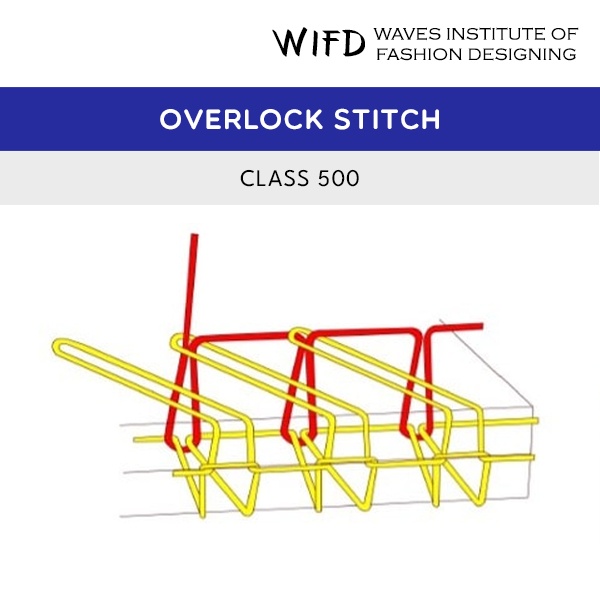
Class 500 overlock stitch wrapping threads around trimmed fabric edge to prevent fraying

Overlock Stitch (Class 500)

Overlock stitches finish fabric edges while stitching them. The machine trims the raw edge first and then wraps threads around it to stop fraying. Loopers play the main role here. They cover the fabric edge with thread while needles hold the seam in place. The machine trims the edge first, ensuring a clean and even finish. This stitch appears on almost every garment, especially on inside seams of shirts, trousers and dresses.
Class 600 coverstitch and flatlock formation with multiple needles creating parallel rows on knit fabrics

Coverstitch and Flatlock (Class 600)

These stitches use multiple needles and loopers to create parallel rows of stitching on the surface. The looper threads spread across the underside, forming a wide and flexible structure. Coverstitch produces clean hems on knit fabrics without restricting stretch. Flatlock creates flat seams that sit comfortably against the skin with no bulky ridge. Manufacturers use these stitches on t-shirt hems, leggings, activewear and children's clothing. These stitches suit knits perfectly and deliver professional-looking hems that last.

Specialised Stitches: Zigzag, Decorative & Stretch

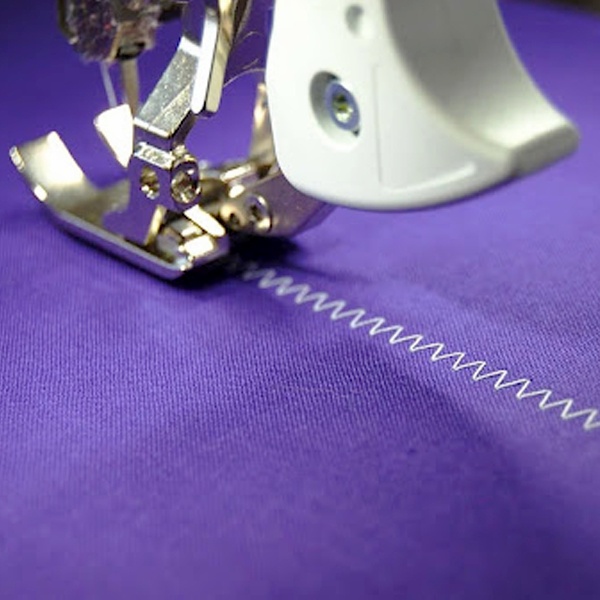
Zigzag stitch formation showing needle moving side to side while feed dogs pull fabric forward

Zigzag Stitch Formation

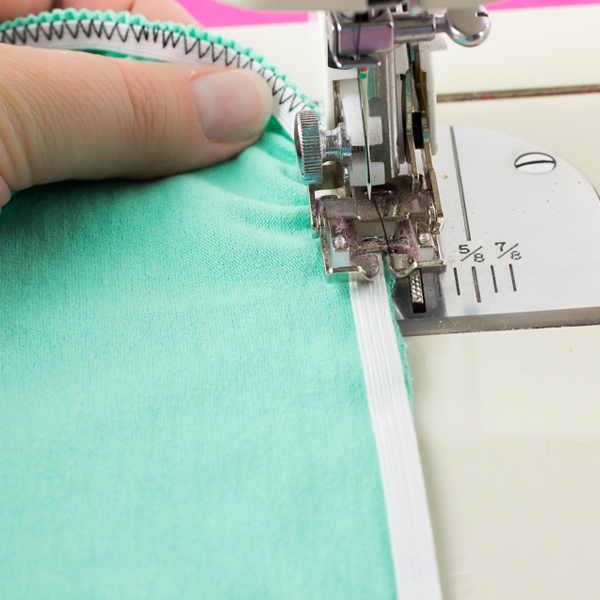
A zigzag stitch forms when the needle moves side to side while the feed dogs pull the fabric forward. Inside the machine, a cam system controls this left and right motion. As the cam rotates, it pushes the needle bar in a set pattern. The hook still catches the top thread in the same way as a straight stitch, but the changing needle position creates the zigzag shape. You can adjust stitch width and length to control how wide or tight the zigzag looks. Sewists use this stitch to finish raw edges, attach elastic or work on light knit fabrics.
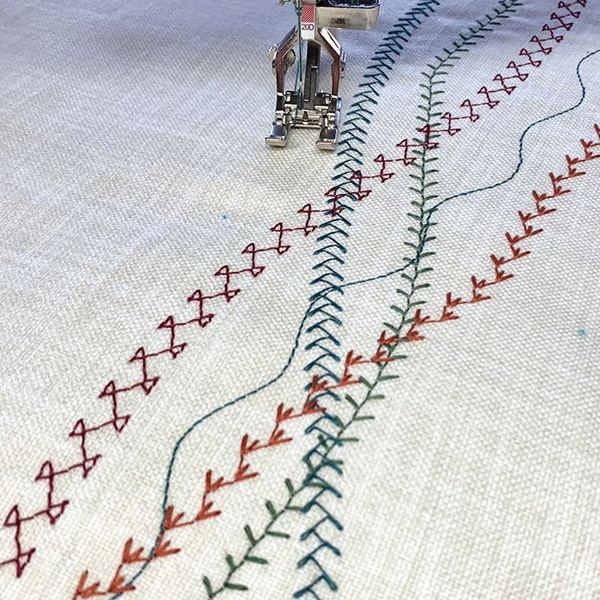
Programmable decorative stitch patterns on modern sewing machine showing complex geometric designs

Decorative Stitches & Programmable Movement

Decorative stitches use a combination of controlled needle movement and variable fabric feeding. Modern sewing machines store stitch patterns in their internal system. The machine shifts the needle in multiple directions while the feed dogs change speed or pause at specific points. This coordination creates complex designs like leaves, waves or geometric patterns. Electronic machines let users select these stitches easily, making detailed surface design accessible. Decorative stitches add visual interest to garments, home furnishings and accent panels.
Stretch stitch mechanics with forward and backward feed movements for elastic seams on knit fabrics

Stretch & Utility Stitch Mechanics

Stretch stitches handle fabrics that expand and recover, such as jersey or lycra. These stitches form by combining forward and backward feed movements with slight needle shifts. This structure lets the seam stretch without breaking the thread. Some stretch stitches look like a straight line on the surface but contain zigzag loops underneath. Utility stitches work on the same principle but focus on strength and durability. Manufacturers rely on these stitches for sportswear, innerwear and everyday clothing requiring comfort and durability.

Practical Tips to Improve Stitch Quality

  • Adjust Thread Tension for Balanced Stitches

    Thread tension controls how the upper and lower threads lock inside the fabric. When tension stays balanced, stitches look neat on both sides. If you see loose loops under the fabric, reduce the upper thread slack by increasing tension slightly. If the fabric pulls in or stitches feel tight, lower the tension. Always test on a fabric scrap before starting your main piece. Even a small turn of the tension dial can make a visible difference.
  • Match the Needle and Thread to the Fabric

    Match your needle size and thread weight to your fabric. Light fabrics like cotton voile need a fine needle and thinner thread. Heavy fabrics like denim or canvas need a stronger needle and thicker thread. Using a thin needle on thick fabric often causes skipped stitches. Using a thick needle on soft fabric can leave holes. For most everyday projects, a universal needle size 11 or 14 works well with quality polyester thread.
  • Fix Common Stitch Problems Quickly

    Skipped stitches usually appear when the needle bends, dulls or does not suit the fabric. Replace the needle first, then check alignment. Looping stitches often point to incorrect threading. Rethread the machine fully with the presser foot raised. Puckering happens when tension runs too tight or when the fabric feeds unevenly. Loosen the tension slightly and guide the fabric gently without pulling.
  • Understand How Feed Dogs Move Fabric

    Feed dogs pull the fabric forward under the presser foot at a steady pace. When they clog with lint or dust, the fabric slips or moves unevenly. Clean the feed dogs regularly, especially after stitching cotton or wool. Lower feed pressure can help when stitching delicate fabrics, while firm feed pressure works better for thicker materials. Let the machine do the work and guide the fabric lightly to maintain straight, even stitches.

How Stitch Mechanics Impact Garment Quality and Production

Stitch mechanics decide how a garment performs in real life. Every loop, lock and tension setting directly affects strength, stretch and finish. When mechanics work correctly, garments last longer, feel better and look professional inside and out.
 
  • Garment Strength & Durability

    Strong stitch formation holds seams under daily stress. Correct thread tension and timing stop skipped stitches and thread breaks. Jeans, uniforms and workwear face frequent washing and rough use. Reliable mechanics keep seams intact without frequent repairs, which saves money over time.
  • Elasticity & Comfort

    Stretch fabrics demand precise stitch mechanics. Knitwear, leggings and activewear need stitches that move with the body. Proper loop balance allows seams to stretch without popping. Poor mechanics restrict movement and cause seam damage, especially around shoulders, waistlines and armholes.
  • Finish & Visual Quality

    Clean stitch formation improves the garment finish. Balanced stitches sit flat, avoid puckering and maintain even spacing. This detail matters in tailored garments where customers inspect both sides closely. Good mechanics reduce rework and fabric waste.
  • Home machines vs industrial machines

    Home sewing machines suit small volumes and learning environments. They handle light to medium fabrics and work at slower speeds. Industrial machines focus on precision, speed and consistency. Factories rely on them to produce hundreds of pieces daily with uniform stitch quality. An industrial lockstitch machine can run all day without overheating, unlike most domestic models.
  • Production Speed & Cost Control

    Efficient stitch mechanics increase production speed. Smooth thread flow and accurate timing reduce machine stoppages. Fewer defects mean fewer rejected garments. In bulk production, even a small fault raises costs quickly. A factory loses significant revenue daily due to poor stitch quality and repeated corrections.
  • Quality control on the production floor

    Supervisors often check stitches before anything else. Uneven tension, loose loops or thread breaks signal mechanical issues. Strong mechanics help maintain consistent quality across batches. This consistency builds brand trust and reduces customer complaints after purchase.
 
Stitch formation follows a clear mechanical process that you can observe and understand. When you learn how the parts work together, your sewing becomes neater, faster and more reliable. Spend time watching stitches form on your own machine. Small experiments lead to big improvements in sewing confidence and results.

FAQ about Stitch Formation in Sewing Machine

1. How are stitches formed in a sewing machine?

A sewing machine forms stitches when the needle carries the upper thread through the fabric and links it with the lower thread from the bobbin or looper. The machine then tightens the threads to create a secure stitch.

2. What is the role of the needle in stitch formation?

The needle pushes the upper thread through the fabric and creates a loop. This loop allows the hook or looper to catch the thread and start forming the stitch.

3. Why is the bobbin important in stitch formation?

The bobbin holds the lower thread. It works with the upper thread to lock or loop the stitch, which gives strength and stability to the seam.

4. What does the take-up lever do in a sewing machine?

The take-up lever pulls the upper thread back after the threads join. This action tightens the stitch and sets it neatly inside the fabric.

5. How do feed dogs help in forming stitches?

Feed dogs move the fabric forward after each stitch. This steady movement keeps stitch length even and prepares the fabric for the next stitch.

6. What is the difference between a lockstitch and a chain stitch?

A lockstitch joins the upper and lower threads in the centre of the fabric, creating a strong and secure seam. A chain stitch forms loops on the underside and offers more stretch but less strength.

7. Why does thread tension affect stitch quality?

Correct thread tension keeps stitches balanced and smooth. Poor tension causes loose loops, puckering or uneven stitches.

8. How does a sewing machine tighten each stitch?

The machine tightens each stitch when the take-up lever pulls the upper thread upward. This action locks the threads together before the fabric moves forward.

9. What causes skipped stitches in a sewing machine?

Skipped stitches usually occur due to a blunt needle, wrong needle size, incorrect threading or poor timing between the needle and hook.

10. Why should anyone learn about stitch formation?

Understanding stitch formation helps you choose the right stitch, improve sewing quality and solve stitching problems with confidence.

 
ABOUT THIS ARTICLE
Published On
Updated On02 Jan 2026
PublisherWaves Institute of Fashion Designing
URLhttps://articles.wifd.in/how-stitches-are-formed-sewing-machine
Fashion Articles by Waves Institute of Fashion Designing
CONTACT US
Waves Institute of Fashion Designing,
Kerala, India

Ph: +91 9747375599
E-mail: [email protected]
☞   View Sitemap
Way to our Head Office
© 2026 Fashion Articles by Waves Institute of Fashion Designing
Partner Sites -  Waves Fashion Institute   |   FashionBuzz