
Indian Textiles in Global Museums: Craft, Trade and Cultural Influence Across Centuries

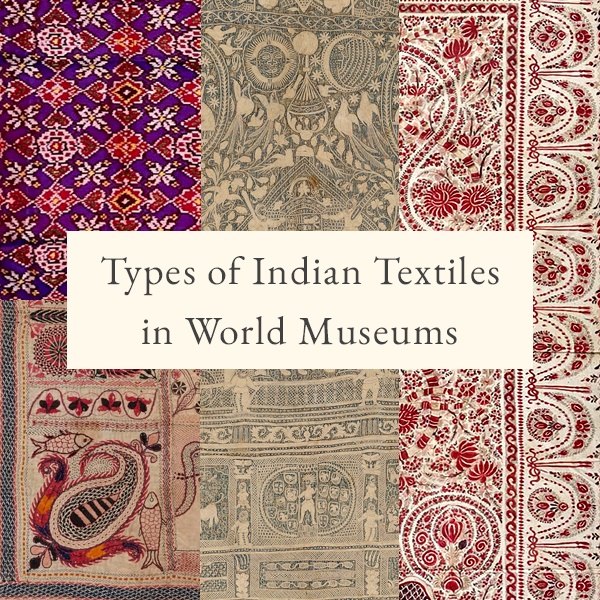
Historic Indian textiles displayed in world museums including chintz, patola, and kalamkari fabrics
India has produced textiles for thousands of years, making it one of the World's Oldest Textile Civilisations. Weavers, dyers and embroiderers combined skill, science and artistry to create exceptional fabrics. Cotton, silk, wool and natural dyes formed the backbone of everyday life and royal luxury alike. Indian textiles travelled far beyond the subcontinent through established trade routes. From ancient maritime trade with Rome and Southeast Asia to the powerful networks of the Mughal and Colonial periods, fabrics from India reached Africa, the Middle East and Europe. Merchants valued these textiles for their fine quality, colour fastness and intricate designs.
Museums across the world preserve Indian textiles because they document history, craft and culture, not just fashion. They capture technical mastery, regional identity, social customs and economic history. Each preserved fabric shows how people spun, dyed, wove and wore textiles in different eras. Indian textiles shaped European fashion and interiors throughout the 17th and 18th centuries. Chintz, Muslin, Brocade and Shawls reshaped clothing styles, home decor and even textile manufacturing in Britain and France. These influences pushed European industries to adapt and innovate.
Through trade, diplomatic gifts and colonisation, Indian textiles crossed borders and cultures. Today, museums protect these fabrics as living evidence of India's global textile legacy.

7 Types of Indian Textiles in World Museums

1. Indian Chintz

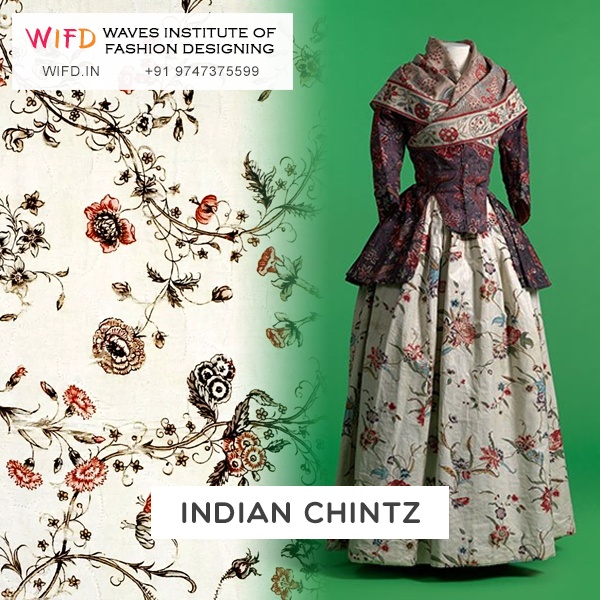
Hand-painted Indian chintz cotton fabric with floral motifs from Coromandel Coast in museum collection
Indian Chintz is a decorated cotton fabric created through hand painting and resist dyeing. Artisans applied wax or mud resist, dyed the cloth in stages and fixed colours carefully. This process gave chintz its sharp patterns and long-lasting colour. The Coromandel Coast, especially Machilipatnam, became the main centre of chintz production. Craftspeople used natural dyes like indigo and madder, along with mordants such as alum and iron, to achieve rich and durable shades.
Designs focused on flowing florals, the tree of life and exotic birds. These motifs appealed strongly to European buyers. During the 17th and 18th centuries, chintz saw huge demand in Europe for clothing, upholstery and wallpapers. European bans on chintz aimed to protect local industries but instead pushed the growth of industrial textile printing. Today, museums like the Victoria and Albert Museum, the Rijksmuseum and The Metropolitan Museum of Art display Indian chintz as evidence of Indo-European textile trade.

2. Vrindavani Vastra

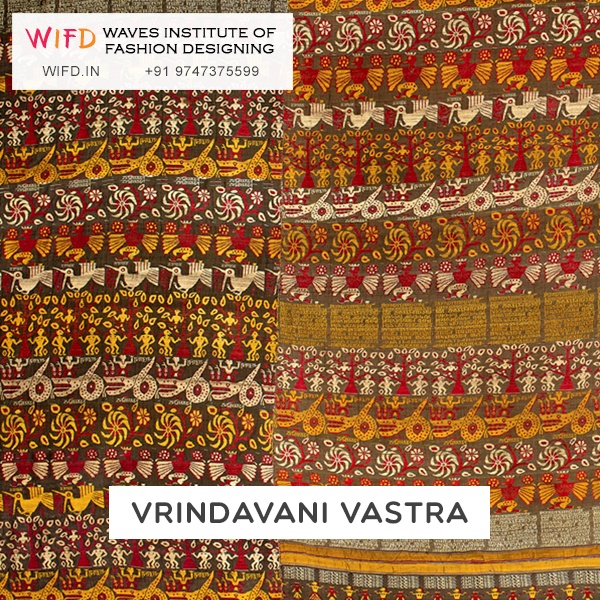
Vrindavani Vastra silk textile depicting Krishna's life stories woven in Assam for temple use
Vrindavani Vastra is a rare silk textile that weaves sacred Vaishnavite stories directly into fabric. The name links to Vrindavan and reflects devotion to Lord Krishna. Artisans created it mainly for temple use, not everyday wear. The tradition began in Assam in the 16th century under Ahom patronage and grew around Vaishnavism shaped by Srimanta Sankardeva. Weavers used fine Assamese silk, especially muga and pat and formed images on the loom itself, not through embroidery or painting.
The fabric shows continuous scenes from Krishna's life, including Ras Leela and other divine episodes. Each figure and motif emerges through complex pictorial weaving, which demands high technical skill and long hours of labour. Very few pieces exist today because of the time involved, religious purpose and fragile silk. Museums like the British Museum and the National Museum, Delhi preserve surviving examples. Vrindavani Vastra serves as an important reference for studying narrative fabrics and advanced weaving techniques.

3. Kalamkari of Golconda

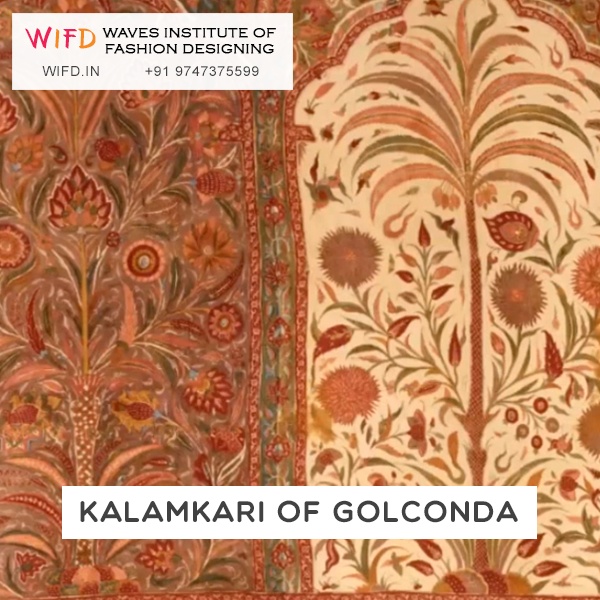
Golconda Kalamkari hand-drawn textile with natural dyes showing mythological scenes on cotton
Kalamkari means work done with a pen. Artisans drew directly on cotton fabric using a kalam made from bamboo or date palm. This hand-drawn method gave Golconda Kalamkari its fine lines and detailed storytelling. Golconda served as a major export hub during the Deccan Sultanates. Traders shipped Kalamkari textiles from this region to Persia, Southeast Asia and Europe. These fabrics gained popularity for their rich colours and narrative designs. Artisans washed the fabric to remove impurities, treated it with natural mordants, hand-drew the designs and dyed the cloth in stages. Each step fixed the colours permanently.
Natural dyes gave Golconda Kalamkari its distinctive character. Artists sourced red from madder root, blue from indigo, yellow from plant extracts and black from iron-based solutions. These dyes gave the textiles long-lasting depth. Designs often depicted mythological scenes, temple stories and courtly life. Temples used Kalamkari as hangings and backdrops, while overseas buyers used them as furnishings. Today, museums in Europe and the United States display Golconda Kalamkari panels as important examples of Indian textile heritage and natural dye techniques.

4. Palampores

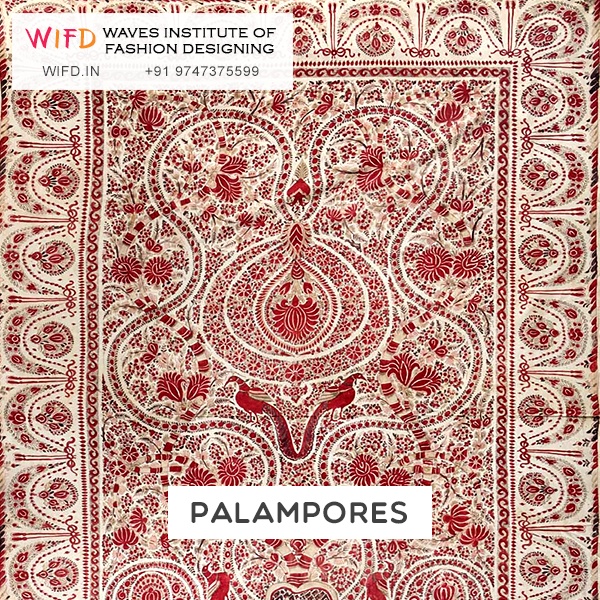
Indian palampore hand-painted cotton bedcover featuring Tree of Life motif for European markets
Palampores are large hand-painted cotton bed covers produced in India for European markets from the 17th century onwards. Artisans designed them as complete compositions to fit beds, which makes them different from chintz. Chintz usually carries repeating patterns and served clothing or smaller furnishings. Indian craftsmen painted palampores by hand using advanced dye knowledge. Natural dyes such as indigo and madder created rich colours that stayed vibrant during long sea voyages. European makers struggled to achieve this colour quality at the time.
The Tree of Life motif defines most palampores. The spreading tree symbolises growth and abundance in Indian culture. European buyers admired its dramatic form and decorative appeal, even without its cultural meaning. Palampores shaped European interior design. Wealthy homes used them as bedspreads and wall hangings, influencing later floral patterns in wallpapers and textiles. Their size and detail made them luxury items owned by royal and elite patrons.
Major museums like the Victoria and Albert Museum and the Louvre preserve palampores today. They stand as strong examples of Indian textiles adapted for export while retaining traditional hand-painting and dye techniques.

5. Bengal Colcha

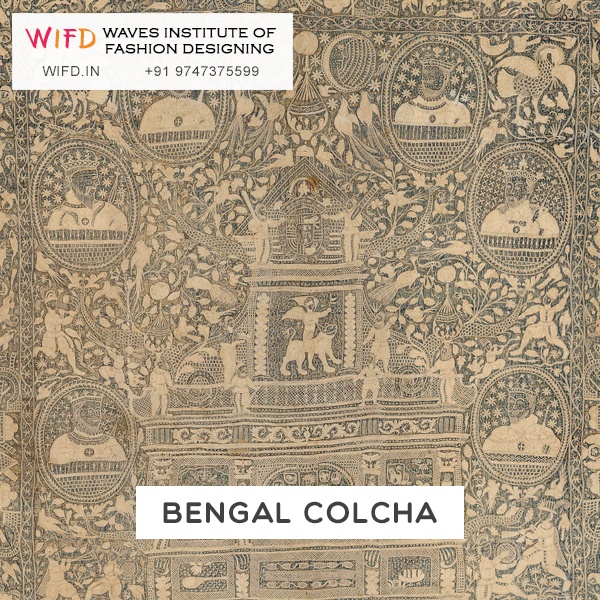
Bengal colcha quilted cotton bedspread with hand embroidery made for European colonial trade
A Bengal colcha is a quilted cotton bedspread made by layering fine fabric with light cotton padding. Artisans stitched the layers together using dense hand embroidery, creating a smooth, structured surface without heavy filling. Bengal produced colchas mainly for European buyers during the colonial period. Traders exported them as bedspreads and coverlets that became part of European household decor.
Makers used high-quality Bengal cotton for both fabric and thread. The embroidery held the layers firmly in place and added visual richness. Common motifs included floral sprays, flowing vines and neat geometric borders that appealed to European tastes. Colchas reflect a strong Indo-European design exchange. Indian craftsmanship met European demand, shaping patterns and layouts.
Museums such as the Victoria and Albert Museum preserve Bengal colchas as examples of skilled workmanship and early global trade. These textiles help explain how colonial-era textile economies connected Bengal to world markets.

6. Kantha Embroidery

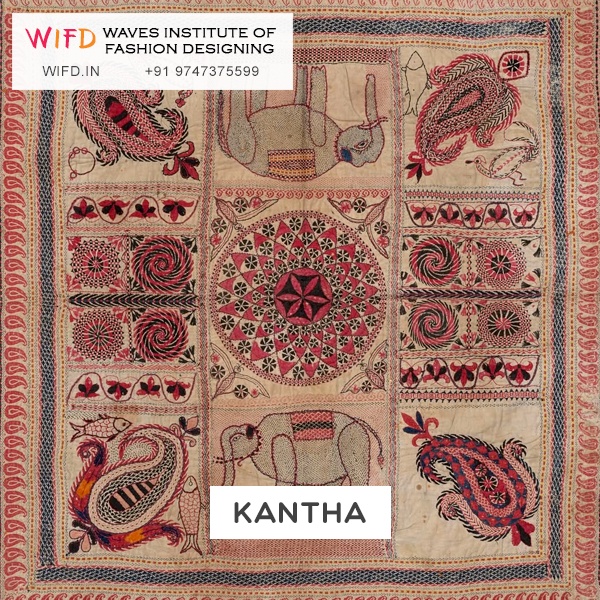
Traditional Bengal kantha embroidery with running stitch on recycled saree fabric showing folk motifs
Kantha started as a simple household practice in Bengal. Women reused old cotton sarees and dhotis, layered them together and stitched them to make quilts and covers for daily use. Nothing went to waste. Every piece used cloth from worn garments. The craft relied on a basic running stitch. Small, steady stitches held the layers together and created soft, wavy textures. Women added familiar motifs like flowers, animals and folk symbols, drawn from their surroundings and beliefs. Each kantha looked different because it reflected the maker's personal style and choices.
In Bengali homes, kantha carried deep emotional value. Mothers often stitched them for children, using sarees connected to personal memories. These textiles became records of care, time and family life. Over time, kantha moved from everyday use to museum collections. Today, world museums preserve kantha as examples of women's textile traditions and resourceful reuse.

7. Patan Patola

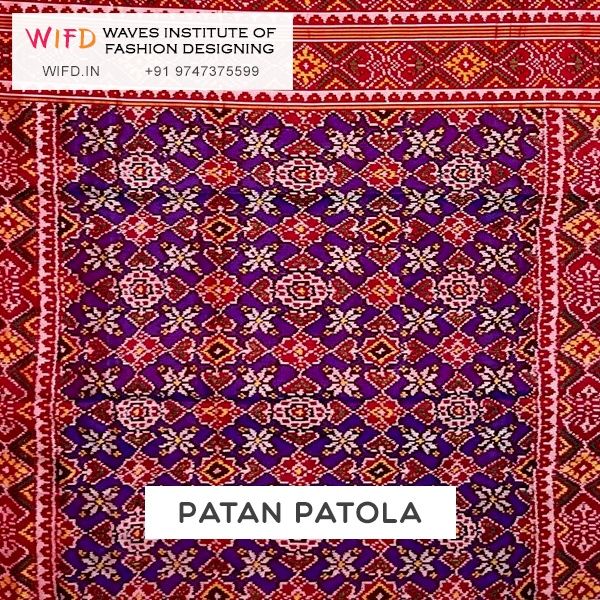
Patan Patola double ikat silk from Gujarat with precise geometric patterns and traditional motifs
Patan Patola comes from Patan, Gujarat and is one of the most intricate handwoven silks in the world. It uses the double ikat technique, where both warp and weft threads are dyed before weaving. Every thread must align perfectly because any mistake can spoil the pattern. Designs feature elephants, parrots, flowers and geometric motifs, traditionally used for royal ceremonies and weddings. Patola was also exported to Southeast Asia, influencing local textiles.
Today, Patan Patola is displayed in major museums like the Victoria and Albert Museum and the Met, showcasing its precision and artistry. It demonstrates advanced planning, dyeing and weaving techniques at the highest level.

Why Museums Matter for Indian Textile Heritage

Museums protect India's rich textile heritage, keeping delicate fabrics, weaves and embroidery safe from damage. Natural fibres like silk and cotton are fragile and museums provide the right conditions to preserve them for future generations. Museums also support research and education. Historians, designers and students study these textiles to understand techniques, regional styles and cultural history. Museum collections help designers connect contemporary work with traditional techniques.
Museums also raise important questions about provenance and colonial history. Many Indian textiles in global collections arrived during colonial times and responsible display helps acknowledge that history. Digital archives make textiles accessible worldwide. Online catalogues and virtual tours let anyone explore rare fabrics for study and research. Museums preserve these textiles through climate control, documentation and public access programmes.
 
India's textiles document centuries of artistry, skill and cultural diversity. From the handwoven silks of Varanasi to the block prints of Rajasthan, museums preserve these textiles for study and reference. Studying these collections helps us understand techniques, patterns and traditions that remain relevant in contemporary fashion and interior design. Understanding these techniques helps designers apply traditional knowledge to modern textile development. Museum textile collections offer valuable technical knowledge alongside historical context.

FAQ about Types of Indian Textiles in World Museums

1. What are the most famous Indian textiles preserved in museums worldwide?

Some of the most renowned Indian textiles include Chintz, Vrindavani Vastra, Kalamkari of Golconda, Palampores, Bengal Colcha, Kantha and Patan Patola. These textiles showcase India's rich craftsmanship and design heritage.

2. Why do museums preserve Indian textiles?

Museums preserve Indian textiles to protect cultural history, document traditional techniques and provide research material for designers and students. These collections also highlight India's global influence in textiles.

3. What is Indian Chintz and where can I see it in museums?

Chintz is a hand-painted or printed cotton fabric with floral and nature-inspired designs. You can see it in the Victoria and Albert Museum, the MET and the Rijksmuseum.

4. What makes Vrindavani Vastra special?

Vrindavani Vastra is a silk textile with detailed narrative weaving depicting Krishna's life and religious stories. Its combination of storytelling and fine silk makes it rare and highly valued.

5. How is Kalamkari of Golconda different from other Indian textiles?

Kalamkari of Golconda uses a hand-drawn pen technique with natural dyes. It often shows mythological or courtly scenes, making it unique among Indian painted textiles.

6. What are Palampores and why are they important?

Palampores are large, hand-painted cotton bed covers made for European markets. They feature the 'Tree of Life' motif and show how Indian textiles influenced global interior design.

7. Can you explain Bengal Colcha?

Bengal Colcha is a quilted textile from Bengal made for European consumers. It combines embroidery, padding and cotton, often showing floral or geometric motifs.

8. What is Kantha embroidery and why is it preserved in museums?

Kantha is a traditional running-stitch embroidery from Bengal. Originally made from old sarees, it now appears in museums as an example of textile reuse and women's craft traditions.

9. What makes Patan Patola so unique?

Patan Patola is a double ikat silk from Gujarat. Both warp and weft threads are dyed before weaving, producing precise geometric and figurative patterns. It is highly valued for its skill and rarity.

10. Which Indian textiles influenced European fashion the most?

Chintz and Palampores influenced European fashion most significantly. They inspired printed fabrics, upholstery and wallpapers in Europe, especially during the 17th and 18th centuries.

11. How do museums preserve fragile Indian textiles?

Museums control temperature, humidity and light to prevent damage. They also use acid-free storage and support materials to protect delicate fabrics.

12. Are there any digital collections of Indian textiles in museums?

Yes, many museums, including the V&A and the British Museum, offer online galleries of Indian textiles. Students and enthusiasts can study them remotely.

13. How can students learn from Indian textiles in museums?

Students can study weaving techniques, embroidery styles, dyeing methods and historical context. Observing original pieces helps them understand texture, design and cultural significance.

14. Why are Indian textiles considered a global heritage?

Indian textiles travelled worldwide through trade and diplomacy, influencing fashion, interiors and art. Their preservation in museums highlights their global cultural value.

15. Can modern designers take inspiration from these textiles?

Yes. Studying Chintz, Patola, Kantha and other historic textiles helps designers develop new patterns and techniques based on traditional methods.

16. Which museums hold the largest collections of Indian textiles?

Major museums include the Victoria and Albert Museum (London), the Metropolitan Museum of Art (New York), the British Museum (London), Rijksmuseum (Amsterdam) and the Louvre (Paris).

17. Are all museum Indian textiles old and historic?

Most are historic, but some museums also collect contemporary works inspired by traditional techniques. These pieces help link past practices with modern design.

18. How do Indian textiles reflect regional diversity?

Each textile style reflects its region's materials, climate, culture and artistic preferences. For example, Patola shows Gujarat's precision weaving, while Kalamkari reflects Golconda's painted traditions.

19. Can anyone visit Indian textile collections in museums?

Yes, most museums allow public viewing. Some pieces are displayed permanently, while others are part of rotating exhibitions or digital archives.

20. Why is it important to study Indian textiles in museums?

Studying museum textiles helps preserve knowledge, inspires creativity and connects designers and students with centuries of craftsmanship and global trade history.

 
ABOUT THIS ARTICLE
Published On21 Jan 2026
Updated On21 Jan 2026
AuthorWaves Institute of Fashion Designing
PublisherWaves Institute of Fashion Designing
URLhttps://articles.wifd.in/types-of-indian-textiles-in-world-museums
Fashion Articles by Waves Institute of Fashion Designing
CONTACT US
Waves Institute of Fashion Designing,
Kerala, India

Ph: +91 9747375599
E-mail: [email protected]
☞   View Sitemap
Way to our Head Office
© 2026 Fashion Articles by Waves Institute of Fashion Designing
Partner Sites -  Waves Fashion Institute   |   FashionBuzz