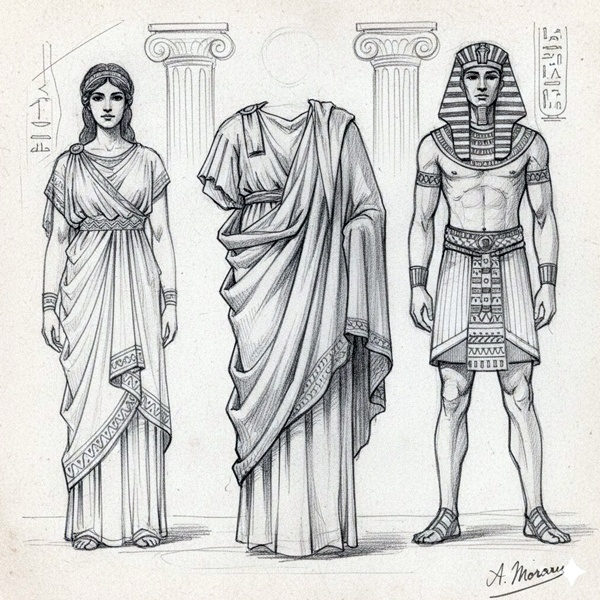
Clothing serves as humanity's second skin. From the moment our ancestors first draped animal hides over their bodies, garments have protected us from harsh climates, defined our identities and shaped civilisations. Understanding why we wear clothes reveals fascinating insights into human psychology, cultural evolution and survival instincts. Clothing also regulates body temperature, keeping us warm in cold climates and cool in heat. Beyond temperature control, clothing shields our skin from radiation, chemicals and harmful microbes. Clothing encompasses far more than garments - it includes ornaments, accessories and any adornment we place on our bodies. Clothing communicates identity non-verbally, revealing a person's community, culture and origins across different historical periods.
To understand clothing
theories, we must first explore three distinct perspectives that explain why humans wear clothes:
Theories Explaining Why Humans Wear Clothing
Anthropologists have traced historical evidence of
factors influencing clothing development.
Protection Theory
Early civilisations used natural elements for protection. Protection Theory (also called
Climate Theory) states that humans invented clothing to protect themselves from climatic conditions. They adapted their clothing based on weather conditions. Animal skins provided warmth and insulation. Bark and leaves covered genital organs. Animal skins wrapped around feet provided both warmth and
comfort during long walks. Some early cultures believed shells placed near sexual organs prevented pain and sterility.
Raincoat
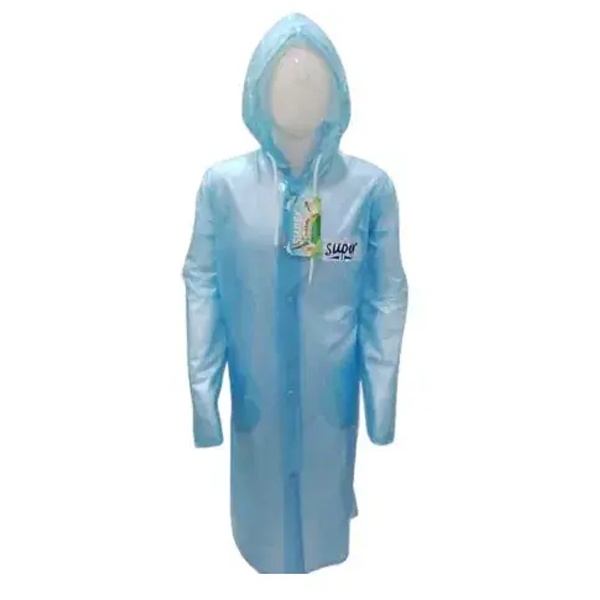
Raincoats exemplify the protective function of clothing by shielding wearers from rain and moisture. Made from waterproof or water-resistant materials like rubberized fabric, PVC or modern breathable membranes such as Gore-Tex, raincoats prevent water penetration while allowing body heat to escape. The development of raincoats traces back to the 19th century when Charles Macintosh invented waterproof fabric by bonding rubber between layers of cloth.
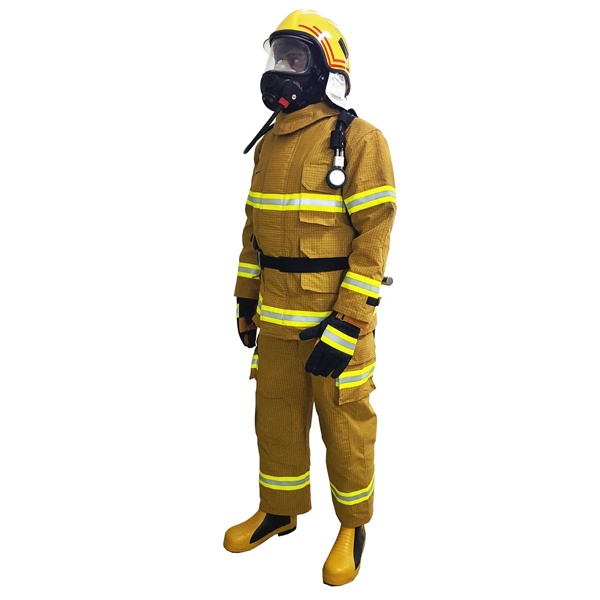
Fire Fighting Suit
Fire fighting
suits represent advanced protective clothing engineered to safeguard firefighters from extreme heat, flames and hazardous materials. These specialized garments consist of multiple layers: an outer shell made from fire-resistant fabrics like Nomex or Kevlar, a moisture barrier to prevent steam burns and a thermal liner for heat insulation. Modern firefighting suits can withstand temperatures exceeding 500F (260C) for brief periods. They also include reflective stripes for visibility in smoke-filled environments. The evolution of firefighting gear demonstrates how clothing has advanced from simple protection to sophisticated life-saving technology. These suits embody the protection theory of clothing at its most critical application, where the barrier between body and environment literally means the difference between life and death.
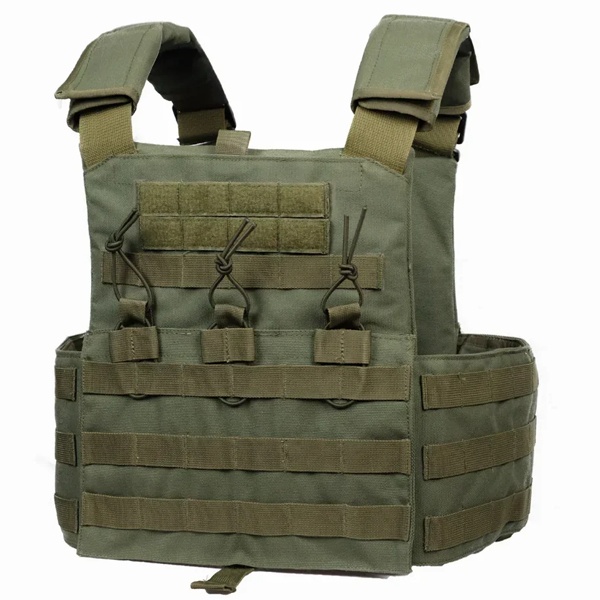
Bullet Proof Jacket
Bulletproof jackets, also known as ballistic
vests or body armor, provide life-saving protection for military personnel, law enforcement officers and security professionals. These vests use layers of strong fibres like Kevlar, Dyneema or ceramic plates to absorb and disperse the impact energy of bullets and shrapnel. The technology works by catching the bullet in a
web of strong fibres and spreading its force across a larger area. Modern bulletproof vests are classified by protection levels (Level IIA to Level IV) based on the threats they can stop. The development of lightweight, flexible body armor represents a significant milestone in protective clothing, combining materials science with the fundamental human need for safety. These garments starkly illustrate that clothing's protective function extends beyond weather and environment to active threats against human life.
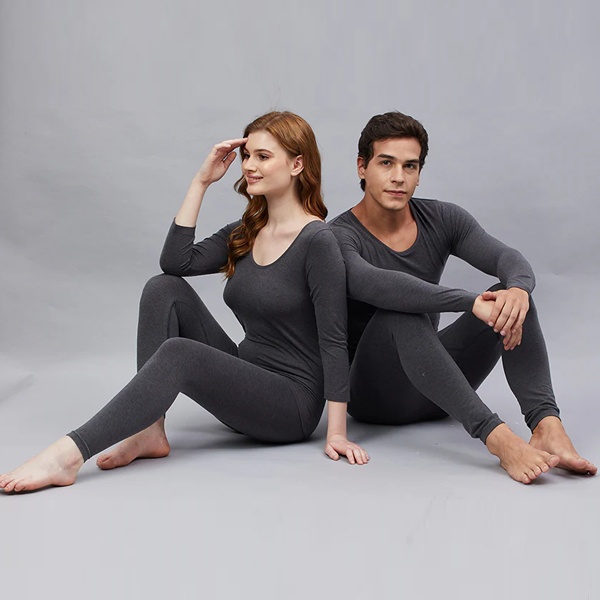
Thermal Wear
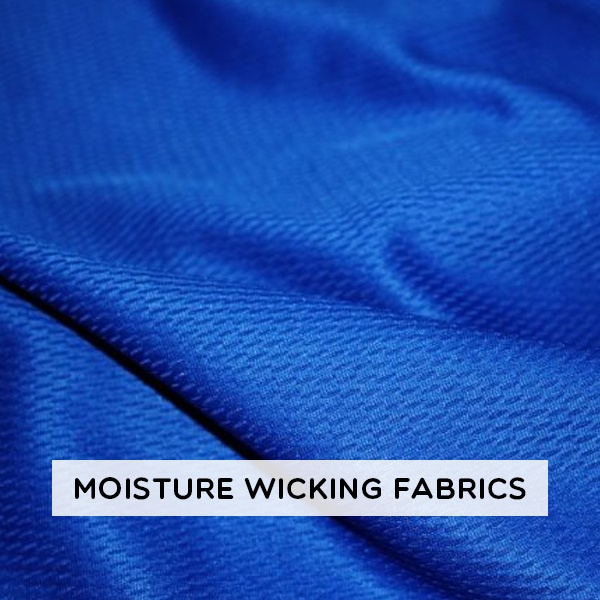
Thermal wear, also called base layers or thermal underwear, provides insulation by trapping warm air close to the body while wicking moisture away from the skin. Originally made from wool or cotton, modern thermal wear uses advanced synthetic materials like polypropylene, merino wool blends or specialized fabrics with hollow fibres that create insulating air pockets. These garments work on the principle of layering - creating multiple barriers between the body and cold external temperatures. Thermal wear is essential for people working or traveling in cold climates, from arctic explorers to winter sports enthusiasts. The evolution from simple
woolen undergarments to today's moisture-wicking, temperature-regulating fabrics demonstrates how the protection theory continues to drive clothing innovation. Thermal wear proves that effective protection doesn't require bulk; modern materials achieve superior insulation while remaining lightweight and comfortable.

Camouflage for Soldiers
Clothing serves as camouflage for soldiers during war. Military personnel developed innovative protection methods beyond simple covering. Over time, military uniforms evolved to provide both concealment and protection from bullets.
Modesty Theory
Modesty Theory (also called
Shame Theory or
Fig Leaf Theory) suggests clothing arose from feelings of shame or embarrassment. The word
Modesty comes from the Latin
Modestus, meaning
keeping within measure. According to this theory, people wear clothing to cover genital organs due to shame, modesty, embarrassment or sexual modesty. The need for clothing arose when Adam and Eve ate the forbidden fruit, which created awareness of nudity and shame, prompting them to cover themselves with leaves and bark.
Aboriginal tribes in Australia felt ashamed when seen eating but showed no shame about nudity, demonstrating that modesty concepts vary across cultures. In the Arab world, women traditionally covered their faces even when other body parts remained uncovered, showing culture-specific modesty standards.

Michelangelo's Statue with Fig Leaf
Following Fig Leaf Theory principles, Italian artist Michelangelo's marble masterpiece David received a plaster fig leaf addition when displayed at the South Kensington Museum. Curators added this covering to avoid offending female visitors.
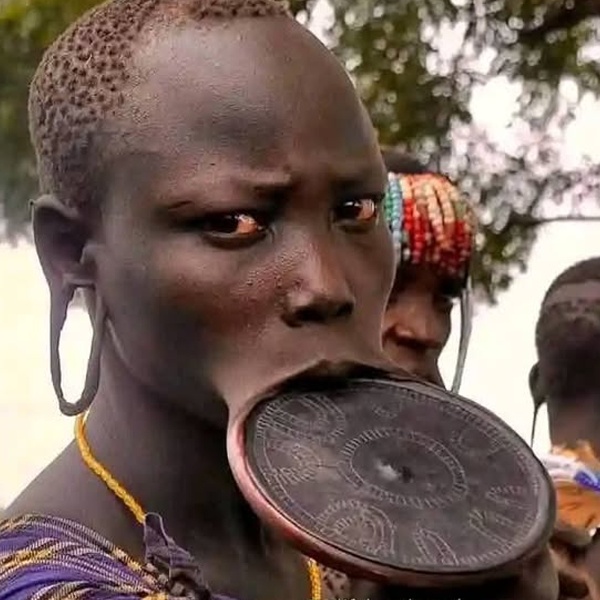
Women of Botocudo
Women of the Botocudo tribe (South
American people of Eastern Brazil) showed no shame about exposed breasts but felt embarrassed without wooden plugs in their lower lips and earlobes.
Immodesty Theory
Immodesty Theory (also called Sexual Attraction Theory) presents the opposite view of Modesty Theory. According to this theory, people first wore clothing to draw attention to private parts. This theory suggests clothing was designed to attract attention to sexual organs and make the wearer an object of sexual interest. Immodest clothing reveals sensual aspects of a woman's body-rounded breasts, hips and buttocks.
Adornment Theory
Humans began wearing garments to express their desires for beauty, status and individuality. People enjoyed displaying their appearance enhanced by clothing. Some African tribes began painting and tattooing their bodies. This proves that even before humans discovered garments and fashion, they decorated themselves for social status, beauty, sexual attraction and aesthetic expression. Adornment includes ornaments and accessories people wear to express their uniqueness, individuality and creativity. It also signals religious, cultural and social status within a community.
Body Modification
Body modification (also called
body alteration) alters human physical appearance through practices like piercing, tattooing and scarification.
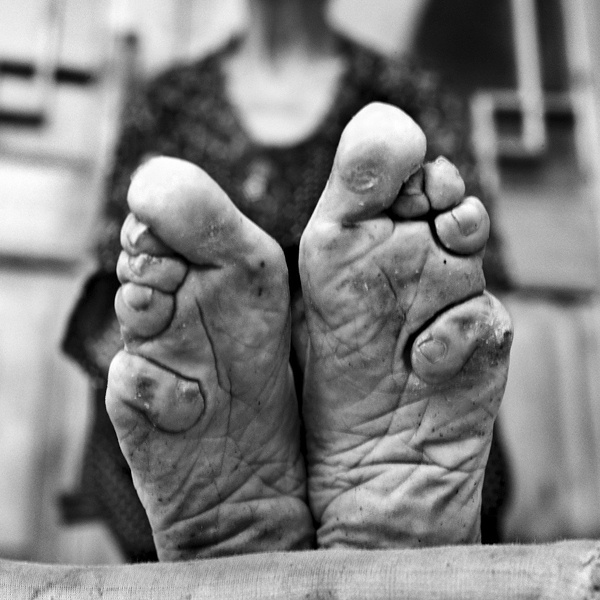
Foot binding was the Chinese practice of tightly binding young girls' feet to change their size and shape. The custom which is now abolished was known as
Lotus Feet. It was also considered a mark of beauty and a status symbol. The special
shoes made for bound feet were known as
Lotus Shoes.
Body Scarification
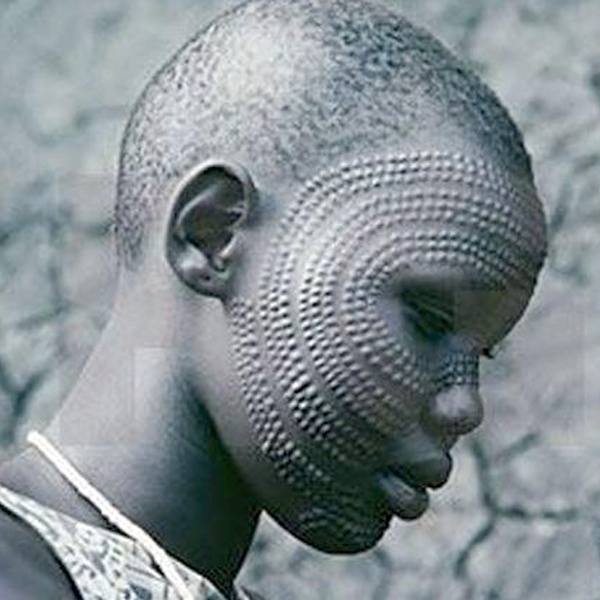
Soon after body modification began, body scarification emerged as another decorative practice. Body scarification is the art of creating permanent body modifications through scratching, burning and etching. Designs, words or pictures are permanently marked on the skin. Healing after this body modification takes approximately six to twelve months. Among African tribes, scarification patterns indicated social status, tribal affiliation and life milestones.
Body Tattooing
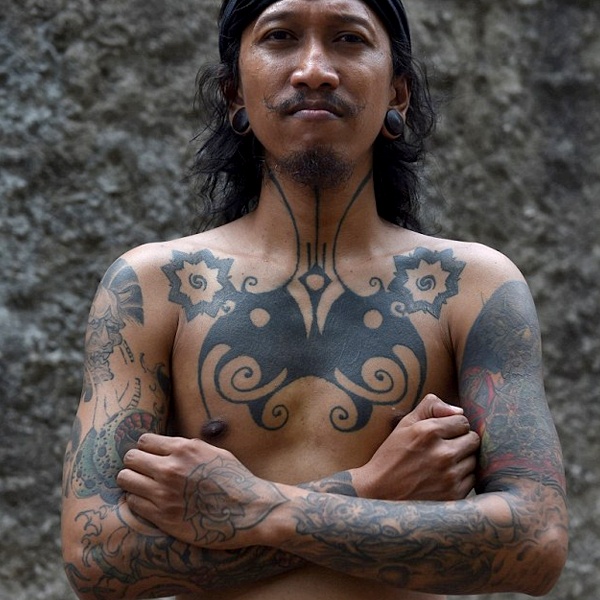
Body tattooing is the art of decorating the body by puncturing skin with inks to create permanent designs. Archaeological evidence shows that Egyptian mummified bodies bore elaborate tattooed designs. Body tattooing was practised across many ancient cultures worldwide. It permanently altered skin
colour and texture, leaving lasting marks.
Body Painting
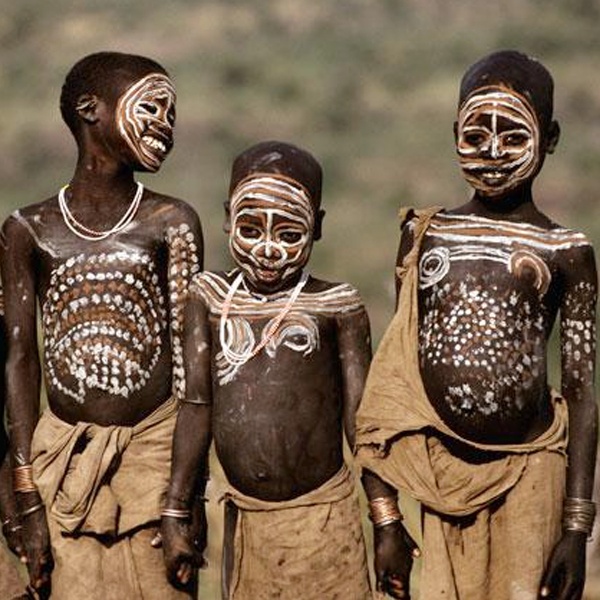
Body painting with clay, wood powder, oil and plant pigments was the most common form of decoration. During special occasions, people decorated their faces with white ochre, red ochre and yellow ochre - earthy pigments containing ferric oxide mixed with clay.Different occasions required specific colour combinations. Pale green indicated mourning, yellow signalled high fashion, white marked festivals, whilst red and blue (sometimes with yellow) represented war.

Paduang Tribe with Rings around Neck
The Mursi tribe practised wearing large circular lip plates. They considered themselves undressed without the lip plates. Lip plate is also known as lip disc or lip plug made from clay or wood. Girls of the Paduang Tribe (also known as Kayans) wore brass coil rings around their necks to create an artificially elongated appearance.
Combined Theory
Combined Theory proposes that clothing evolved from multiple simultaneous needs: physical protection, safety, self-esteem, social status, self-actualisation and belongingness. Rather than a single cause, this theory recognises that humans wore clothes for overlapping practical, psychological and social reasons.
The evolution of clothing from primitive animal skins to sophisticated haute couture represents one of humanity's most fascinating journeys. What began as a simple need for protection against harsh climates has transformed into a multi-trillion dollar global industry that influences culture, identity and self-expression.
As we move forward, clothing continues to evolve with emerging technologies like smart fabrics, sustainable materials, digital fashion and AI-generated designs. Yet the fundamental human needs that first drove our ancestors to wear clothes - protection, social belonging, self-expression - remain as relevant today as they were hundreds of thousands of years ago.
Understanding clothing's history and theories doesn't just satisfy curiosity; it provides valuable insights for fashion designers, marketers, historians and anyone interested in human culture. Whether you're pursuing fashion design professionally or simply interested in why we dress the way we do, the story of clothing is ultimately the story of human civilization itself.
FAQ about Milestones of Clothing
1. When did humans first start wearing clothes?
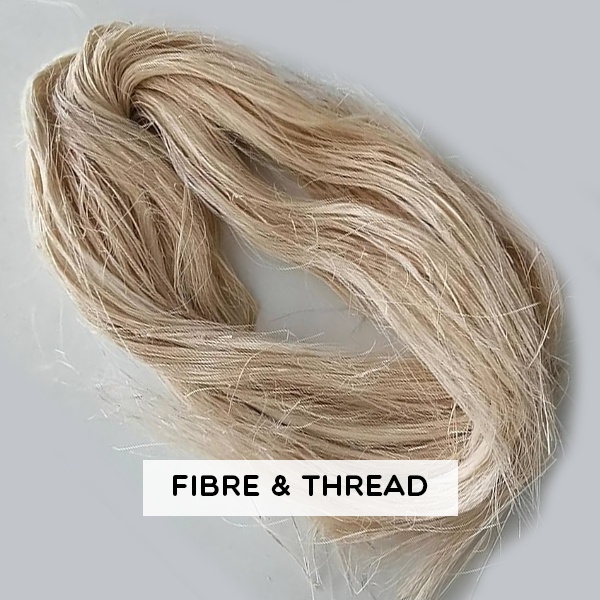
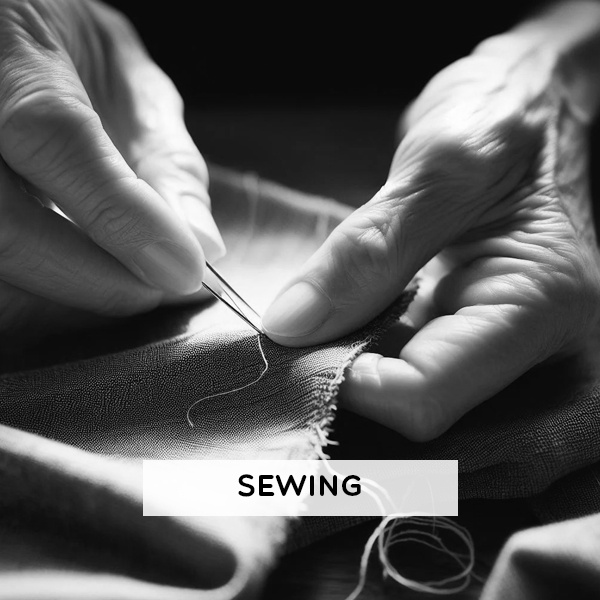
Anthropological research suggests clothing originated approximately 170,000 to 540,000 years ago, based on studies of human lice evolution and archaeological findings. The earliest evidence includes dyed flax fibres and ivory sewing needles discovered in Dzudzuana Cave in Georgia, dating back around 30,000 years.
2. What is the main purpose of clothing?
Clothing serves multiple purposes: protection from environmental elements (weather, injury, radiation), thermoregulation (maintaining body temperature), modesty and cultural norms, social communication (status, identity, group membership) and self-expression through adornment and style. The primary function varies by culture and context.
3. What are the main theories explaining why humans wear clothes?
The five main theories are: Protection Theory (climate-driven need for warmth and safety), Modesty Theory (covering the body due to shame or social norms), Immodesty/Sexual Attraction Theory (drawing attention to enhance attractiveness), Adornment Theory (decoration for beauty and status) and Combined Theory (combination of all factors). Each theory offers different perspectives on clothing's origins.
4. How did the Industrial Revolution change clothing production?
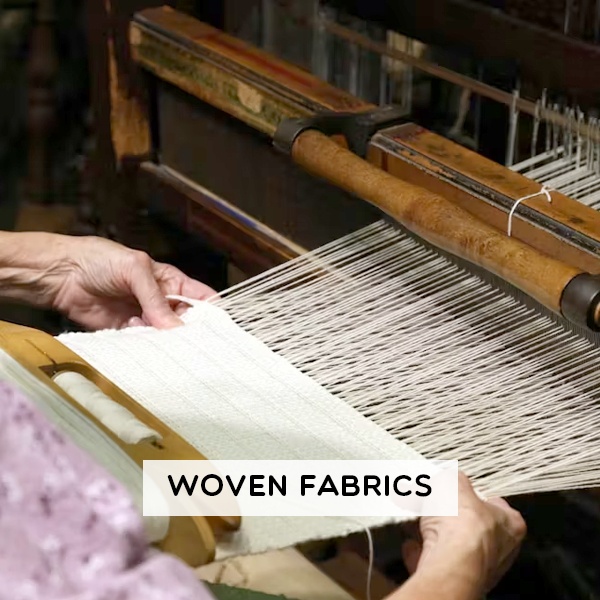
The Industrial Revolution dramatically transformed clothing through key inventions: the power loom (1784) enabled mass fabric production, the sewing machine (1851) industrialized garment construction and synthetic dyes created new color possibilities. These innovations made clothing more affordable, increased variety and shifted production from home-based to factory-based manufacturing, democratizing fashion access.
5. What were the earliest materials used for clothing?
The earliest clothing materials were natural elements readily available: animal skins and fur for warmth, tree bark (bark cloth/tapa), leaves and grass for covering and animal sinews for binding. Later developments included felt (compressed fibres), woven plant fibres like flax and eventually cultivated materials including cotton, wool and silk.
6. Who is considered the father of modern fashion design?
Charles Frederick Worth (1825-1895), an English designer working in Paris, is recognized as the Father of Haute Couture and the first professional fashion designer. He revolutionized fashion by creating custom designs for wealthy clients, establishing the concept of seasonal collections and building a business that employed multiple artisans - establishing the modern fashion house model.
7. How does clothing reflect cultural identity?
Clothing serves as a non-verbal communication medium conveying cultural, religious, regional and social identity. Traditional garments like kimonos, saris, kilts and indigenous dress carry cultural heritage and meaning. Even modern fashion choices signal group membership, values, profession and personal identity, making clothing a powerful cultural marker throughout history.
8. What is the difference between Fixed and Modish clothing?
Fixed clothing refers to garments that remain relatively permanent within a culture, varying by locality but not subject to fashion trends (such as traditional cultural dress). Modish clothing changes rapidly with fashion trends, particularly influenced by Western fashion cycles. This classification helps understand how different types of clothing relate to cultural stability versus fashion innovation.