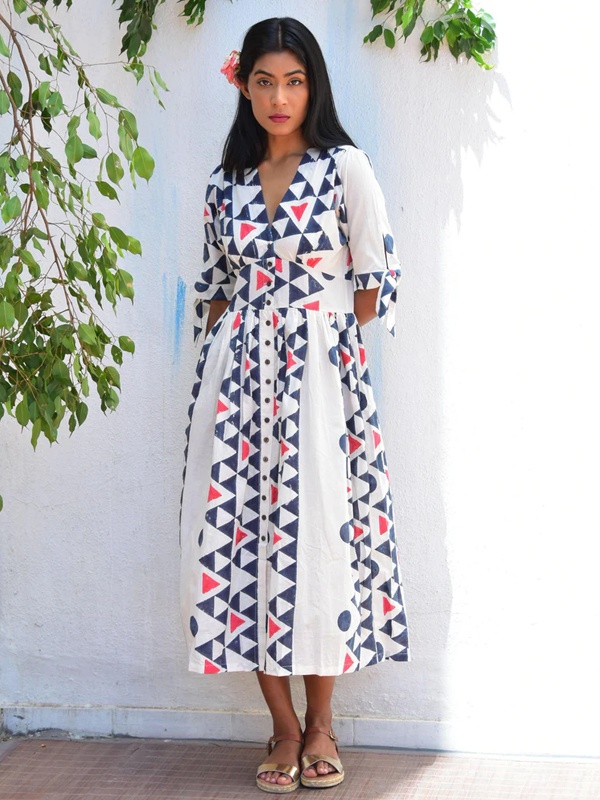
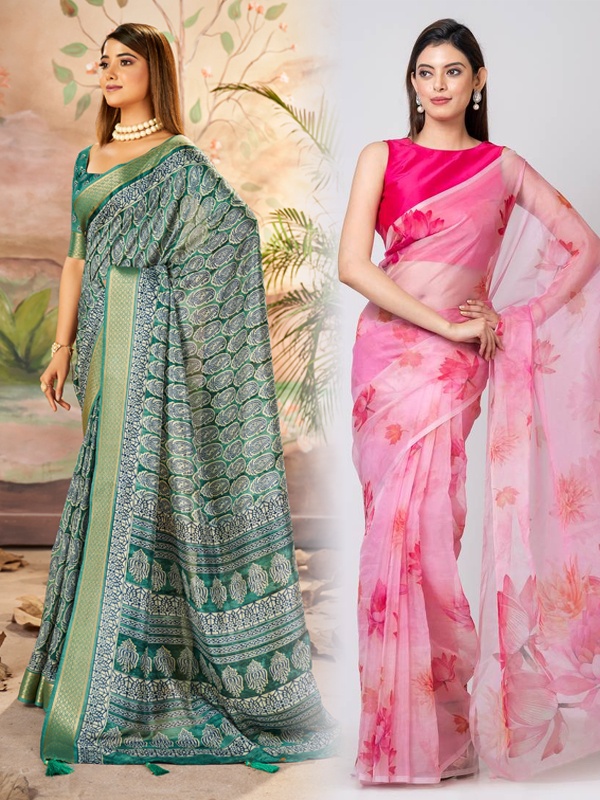

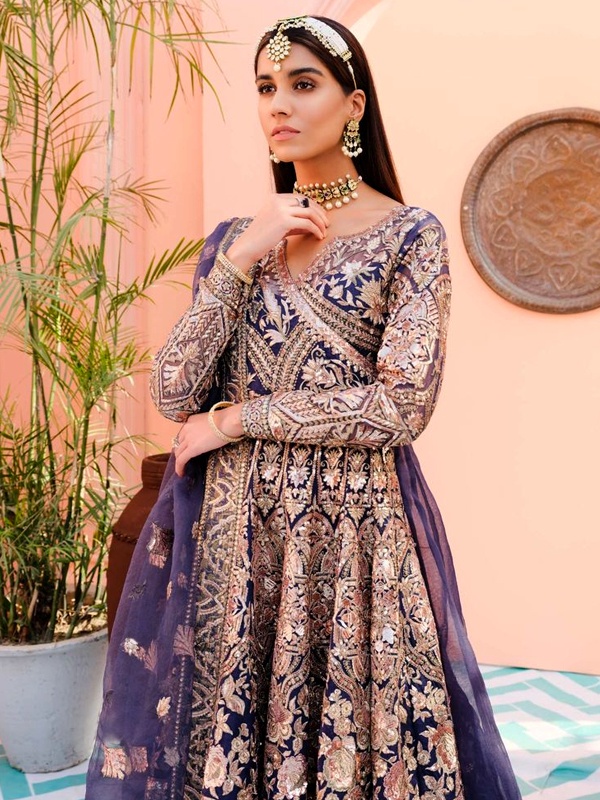
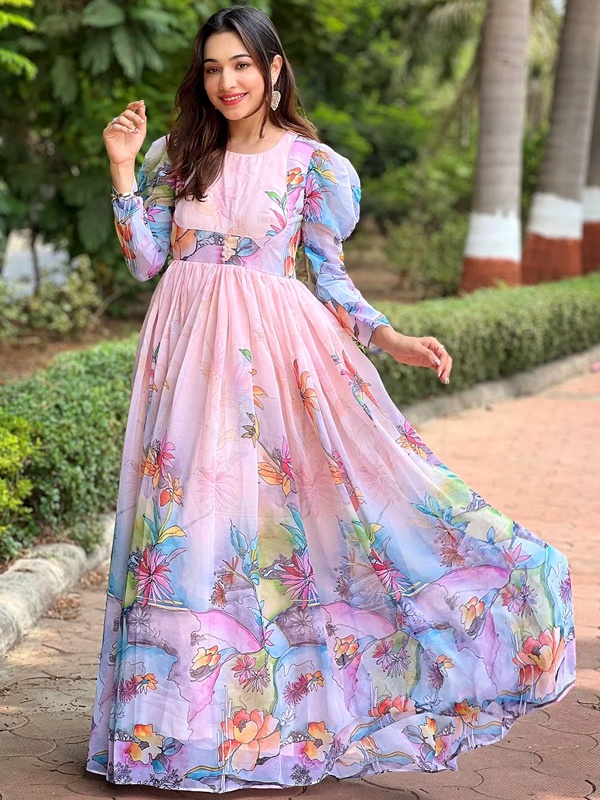


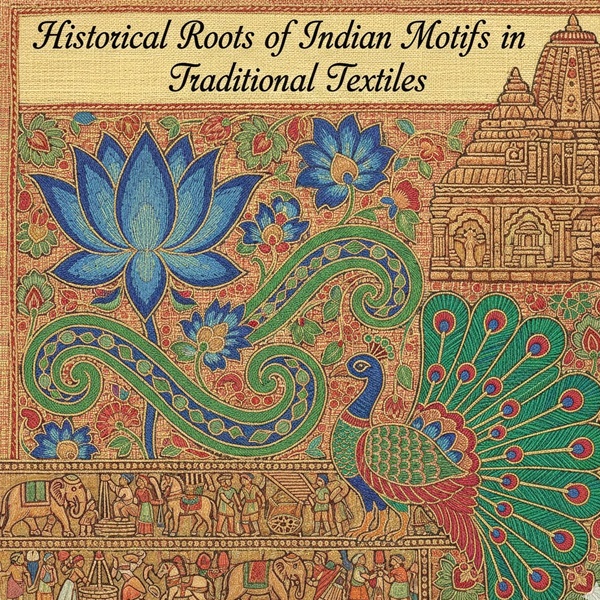
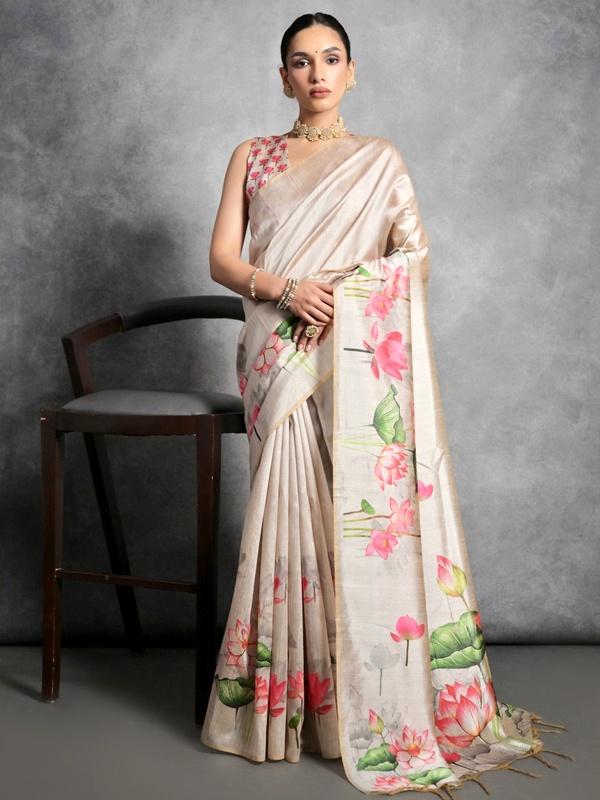
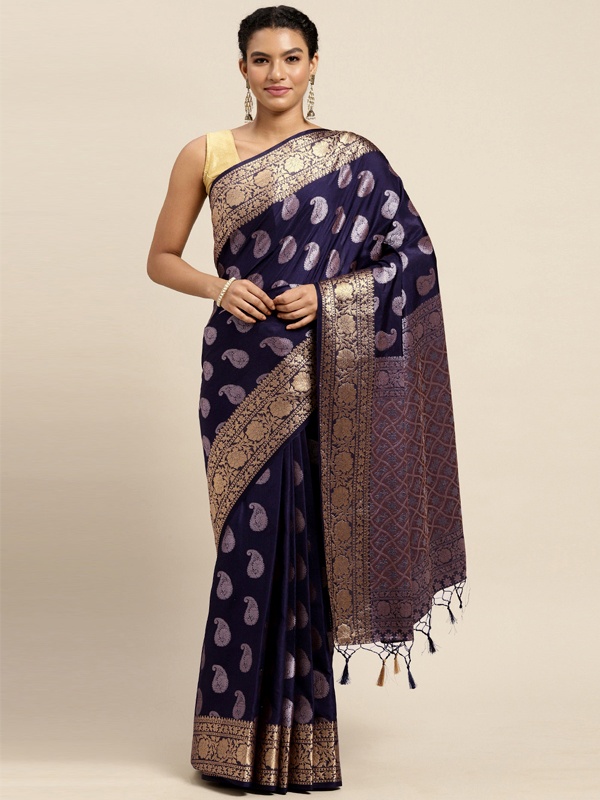
Indian motifs are repeated design elements used in fabrics. They include symbols inspired by nature, culture, religion and daily life, and they shape the identity of Indian textiles.
Motifs give meaning to textiles. They tell stories, express beliefs, and reflect regional culture while adding visual beauty to fabrics.
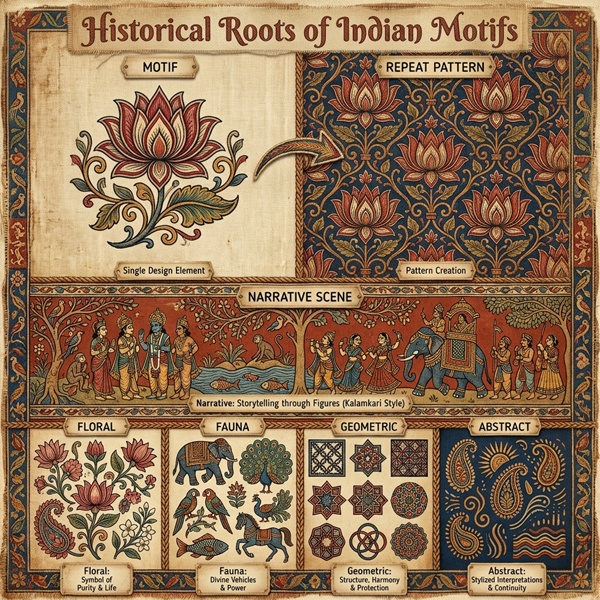
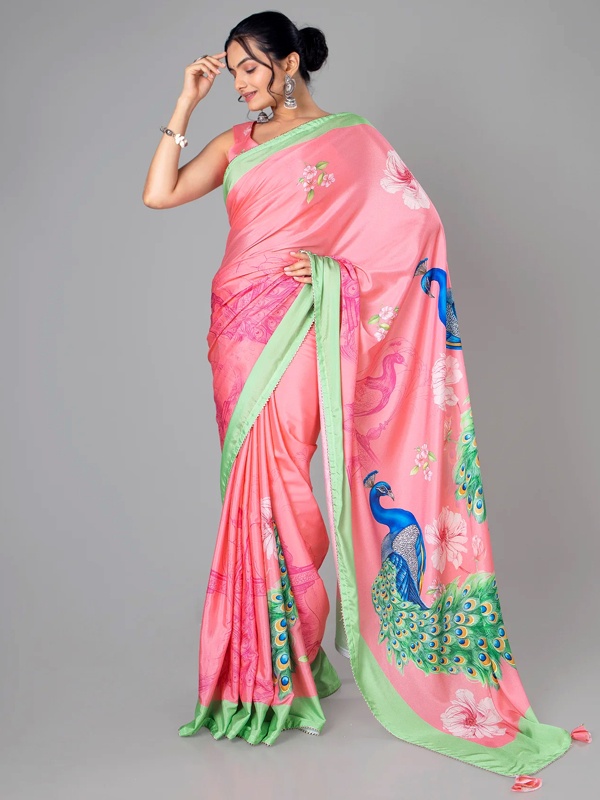
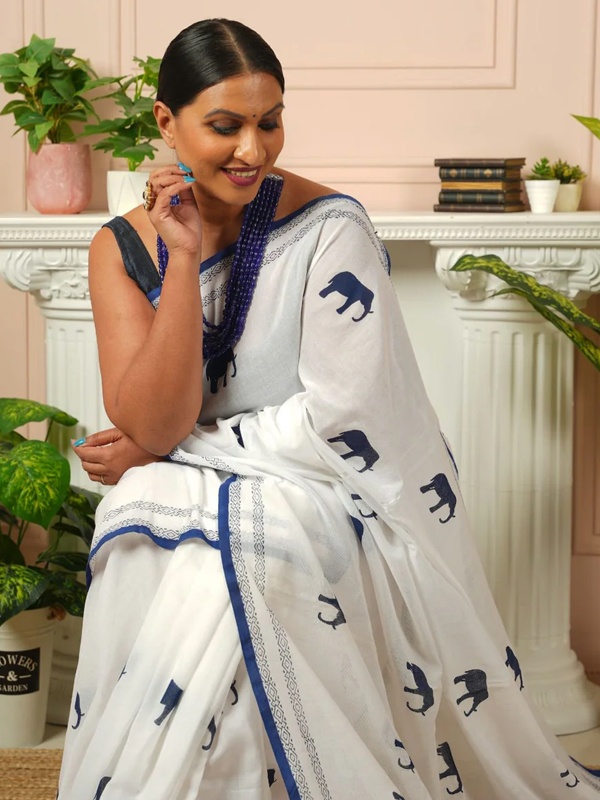
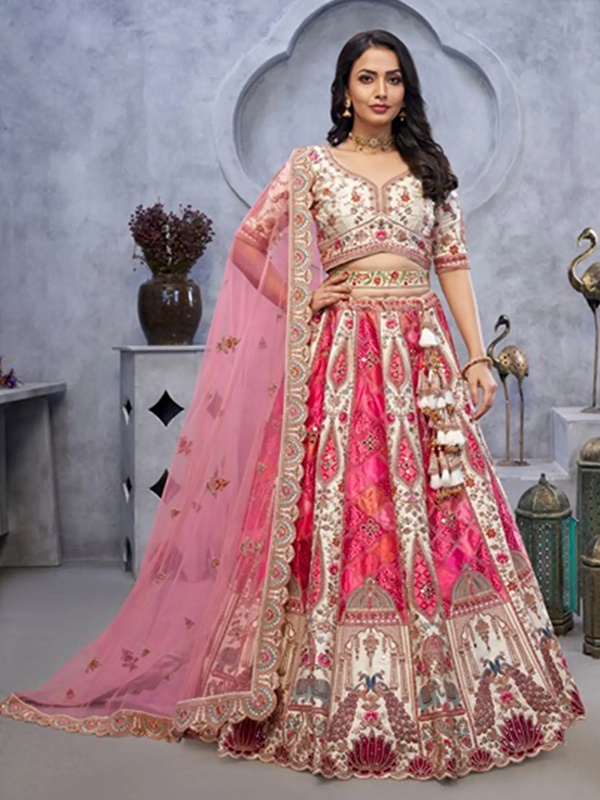
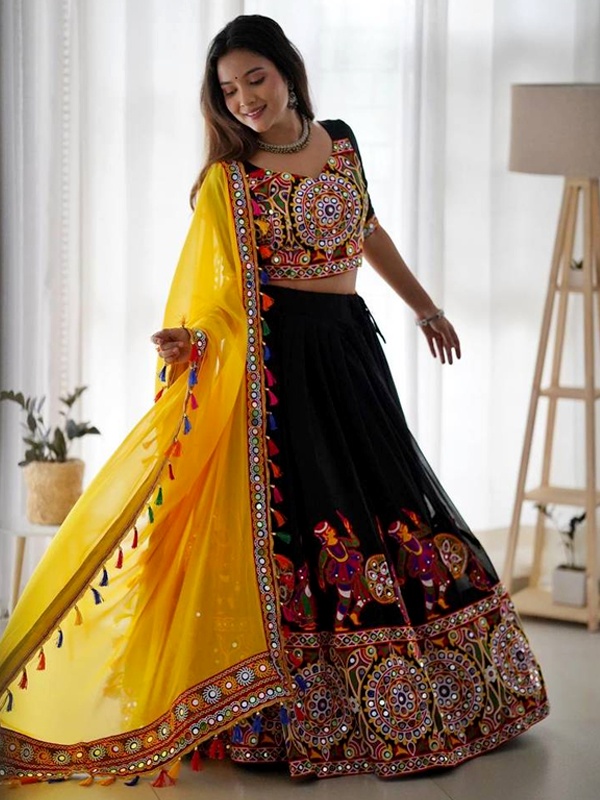
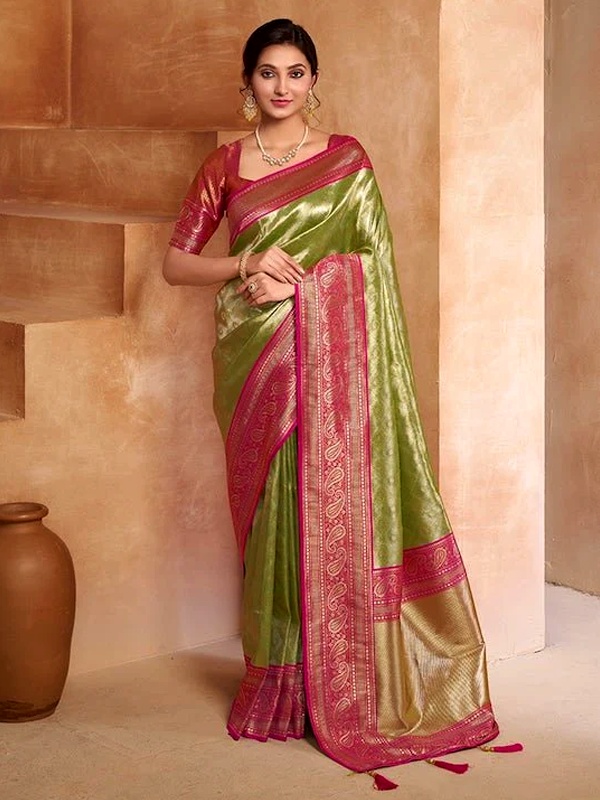
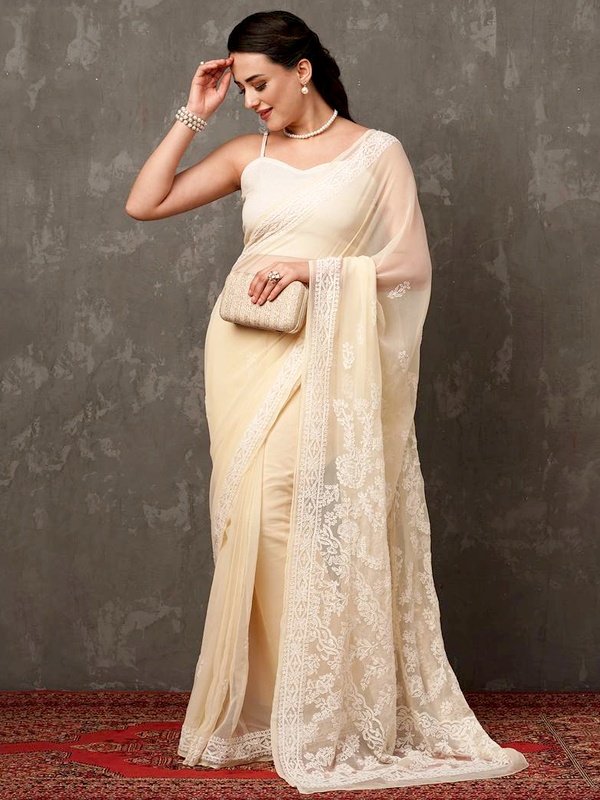
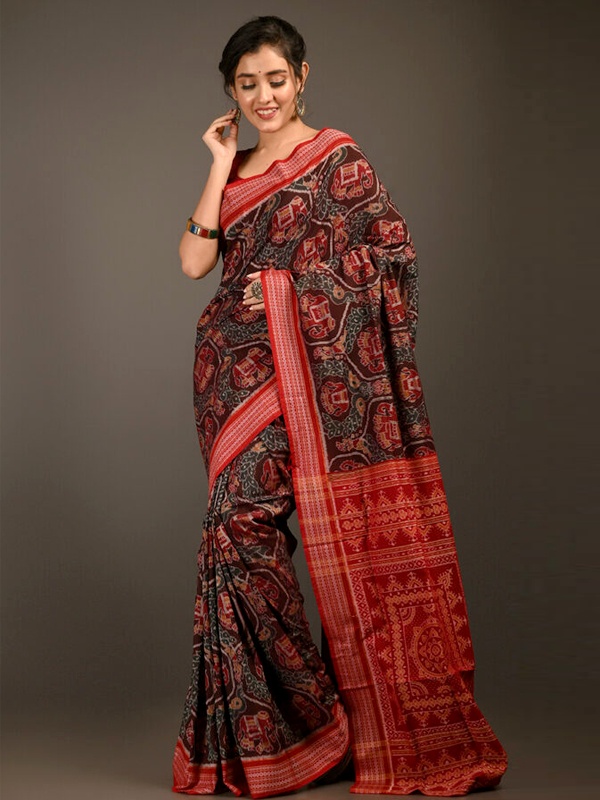
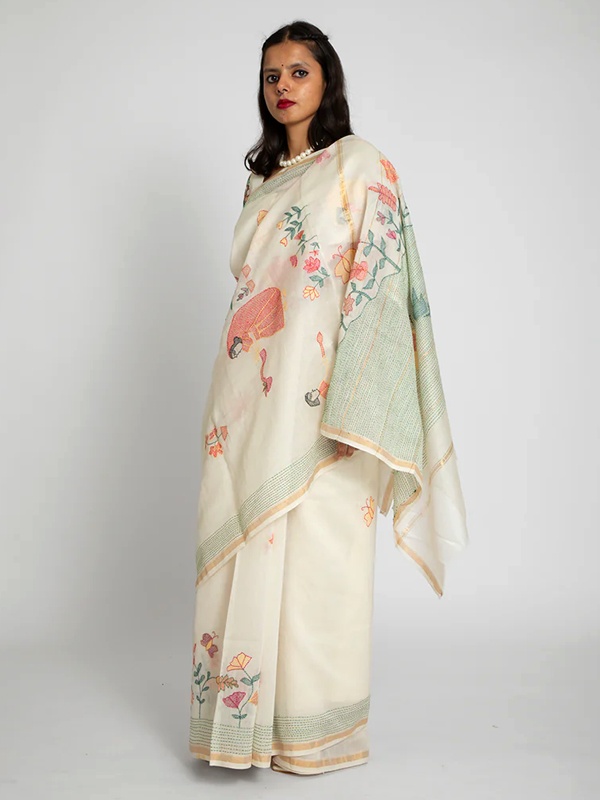
Popular Indian motifs include the lotus, paisley (mango), peacock, elephants, floral patterns and geometric shapes inspired by temples and architecture.
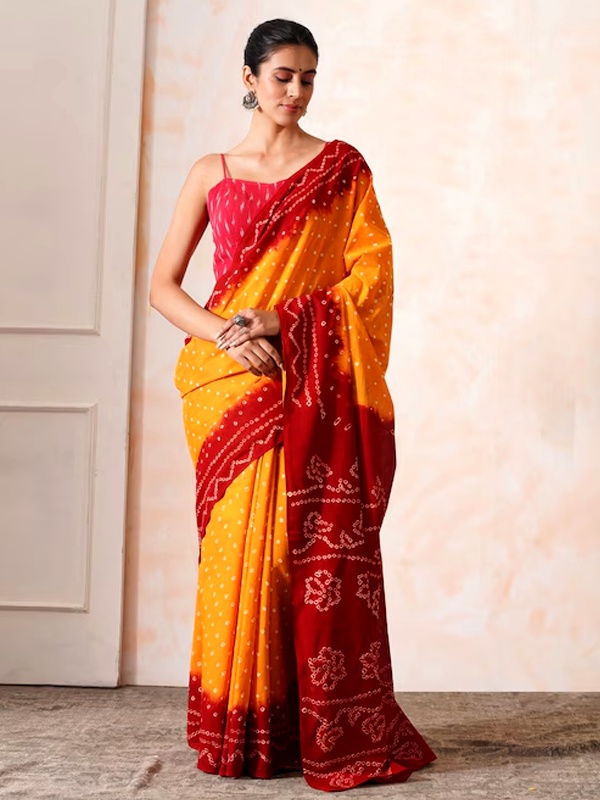
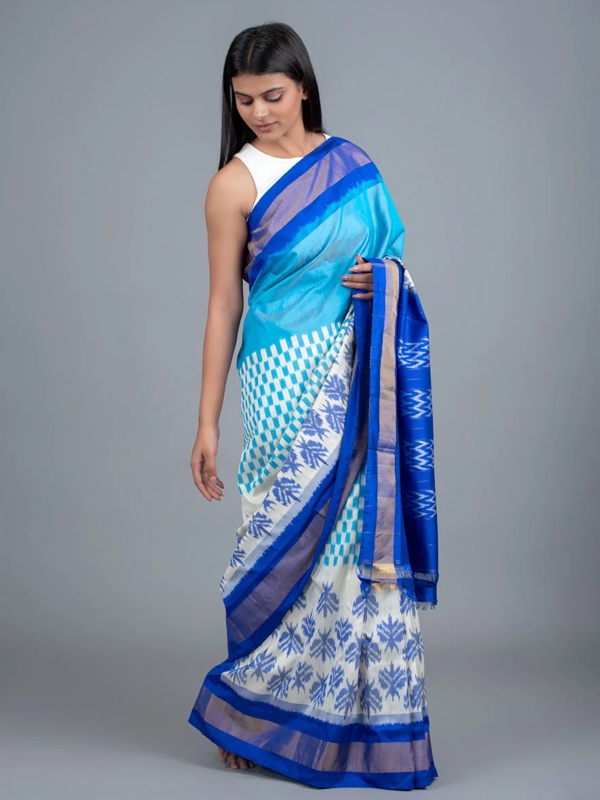
Each region uses motifs in its own way. Kanchipuram silks feature temple and peacock motifs, Bandhani uses dotted patterns and Ikat textiles showcase bold geometric designs.
Most motifs carry meaning. The lotus symbolises purity, the peacock represents beauty and pride, and the mango motif stands for fertility and abundance.
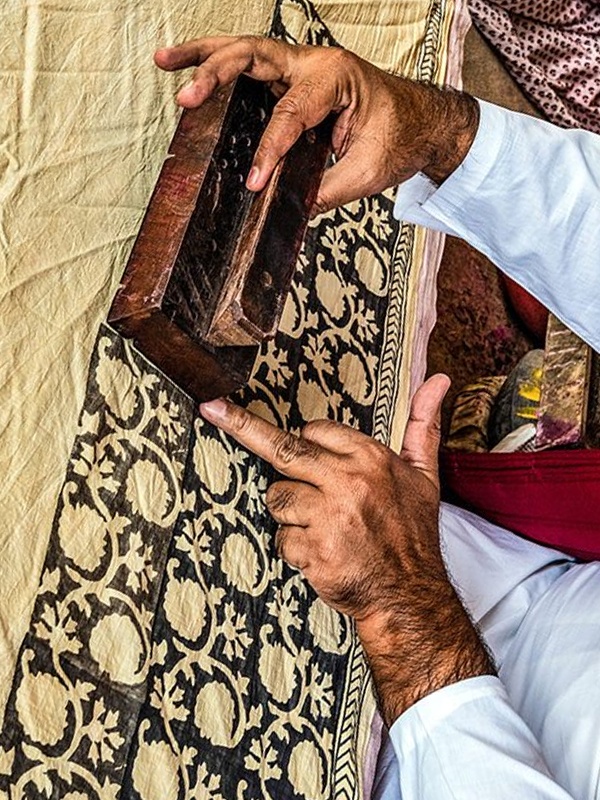
Artisans create motifs through weaving, block printing, embroidery, tie-dye, and ikat dyeing. Each technique gives the motif a unique look and texture.
Yes, designers actively use Indian motifs in contemporary fashion. They adapt traditional designs into modern silhouettes, prints and accessories.
Students can study motifs by observing their shape, meaning, repeat pattern, and technique. Hands-on practice with sketching and fabric analysis helps build deeper understanding.
A motif is a single design unit. A pattern forms when artisans repeat the motif across the fabric in a structured way.
Indian motifs attract global interest because of their rich symbolism, detailed craftsmanship, and timeless appeal in both traditional and modern textiles.
Indian textile motifs date back thousands of years. Ancient civilisations, temple art, and royal courts shaped many designs still used today.
Yes, many motifs connect to religion and spirituality. Designers often use symbols from Hindu, Buddhist, and folk traditions to express faith and protection.
Nature plays a major role in Indian textile motifs. Flowers, trees, birds, animals and water forms inspire many traditional designs.
Handloom weaving helps keep traditional motifs alive. Artisans pass designs from one generation to the next through practice and memory.
Yes, the same motif can carry different meanings across regions. Local culture, history, and beliefs shape how people interpret a design.
Colours add emotional and cultural meaning to motifs. Red often symbolises celebration, while indigo and white reflect tradition and purity.
Many motifs link to Geographical Indication textiles. This protection helps preserve originality and supports artisan communities.
Beginners can start by observing repeated shapes, natural symbols, and traditional colour combinations commonly seen in regional textiles.
Designers reinterpret motifs to keep traditions relevant. Modern styling helps connect heritage textiles with contemporary fashion needs.
Indian motifs inspire designers worldwide through prints, embroidery, and surface design. Their influence appears in luxury fashion and everyday fabrics.
| ABOUT THIS ARTICLE | |
|---|---|
| Published On | 24 Dec 2025 |
| Updated On | 24 Dec 2025 |
| Author | Waves Institute of Fashion Designing |
| Publisher | Waves Institute of Fashion Designing |
| URL | https://articles.wifd.in/indian-motifs-shaping-textiles |
CONTACT USWaves Institute of Fashion Designing,