

Highest Paying Fashion Jobs in India: Complete Salary Guide 2026

Fashion industry growth statistics and career opportunities in India showing 1.5 lakh crore market size
India's fashion industry reached ₹ 1.5 lakh crore in 2025 and continues growing at 10% annually, creating thousands of well-paid opportunities across creative and business roles. Rising disposable incomes and a young, style-conscious population drive consistent demand for fashion professionals. Digital platforms and social media have opened global opportunities, allowing Indian designers and stylists to reach international audiences directly. Brands now seek professionals who combine creative vision with technical expertise and business understanding.
Fashion salaries remain competitive in 2025. Entry-level professionals earn ₹ 2.5 - 6 lakh annually, mid-level roles reach ₹ 7 - 10 lakh and experienced professionals in luxury segments often earn ₹ 12 - 30 lakh or more.
For those with creative talent and business sense, fashion offers clear career paths and strong earning potential.

Highest Paying Fashion Jobs in India: Role-by-Role Breakdown

India's fashion industry offers a wide mix of creative and business roles and many of them offer strong earning potential as you grow. Here is a simple, clear breakdown of the highest paying fashion jobs in India and what each role involves. This will help students and young professionals understand what they can expect before choosing a path

#1. Senior Fashion Designer / Creative Lead

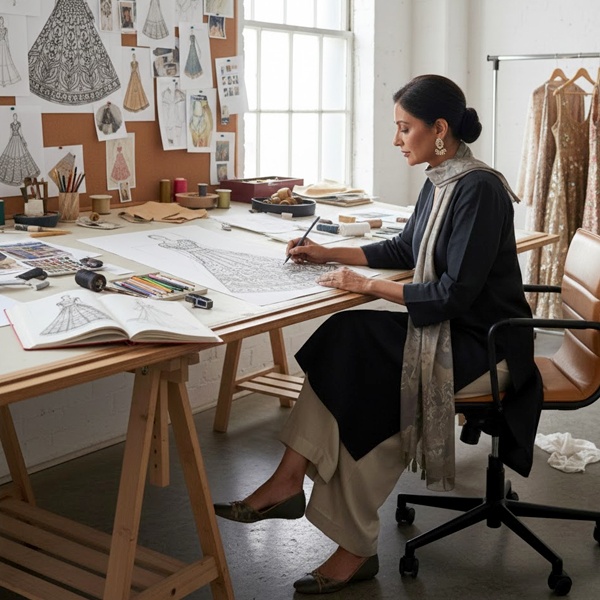
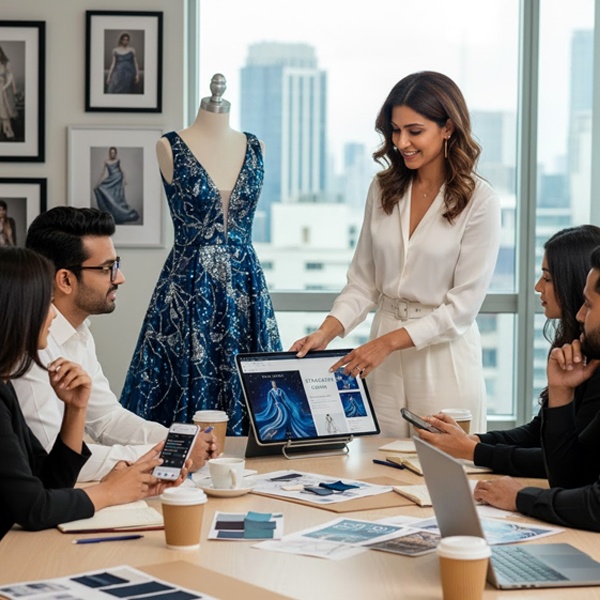
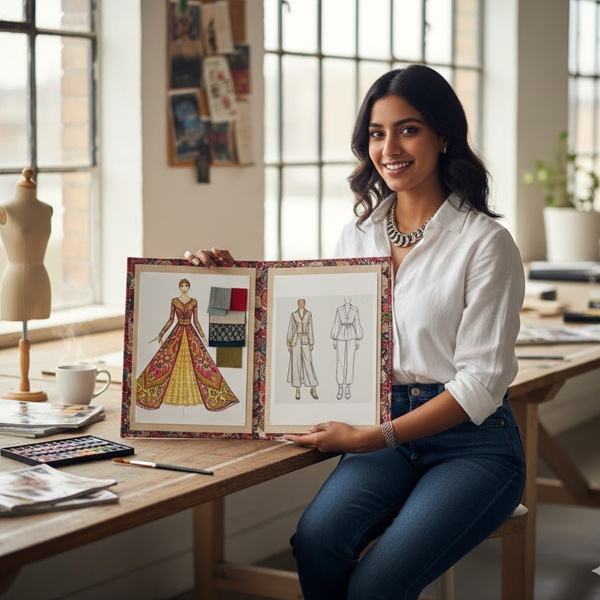
Senior fashion designer creating collection sketches and leading design team in luxury brand studio
Senior designers shape the complete vision for each collection. They plan themes, select fabrics, create final design lines and collaborate with technical teams to transform concepts into finished garments. Their role includes shaping brand direction and making key creative decisions.
What the job involves
  • Create design concepts and final sketches.
  • Develop collections for seasons, festivals or specific markets.
  • Work with pattern cutters, merchandisers and production teams.
  • Review samples and check fit, quality and detailing.
  • Lead junior designers and support staff.
Earning potential
₹ 10 - 30 lakh annually. Top designers with established portfolios at luxury brands earn significantly more.

#2. Fashion Product Manager / Brand Manager

Fashion product manager analyzing market trends and planning seasonal collections for retail brands
Product managers bridge the gap between creative design and commercial success. They plan what goes into a brand's product line and track how it performs in the market. They balance creative ideas with business targets.
Key Responsibilities
  • Study customer demand and market trends.
  • Plan product categories and pricing.
  • Work with design and sourcing teams to launch collections.
  • Monitor sales performance and adjust future plans.
  • Manage brand identity across campaigns and catalogues.
Salary Range
Usually ₹ 8 to 20 lakh per year in fashion retail, e-commerce and lifestyle companies.

#3. Fashion Stylist

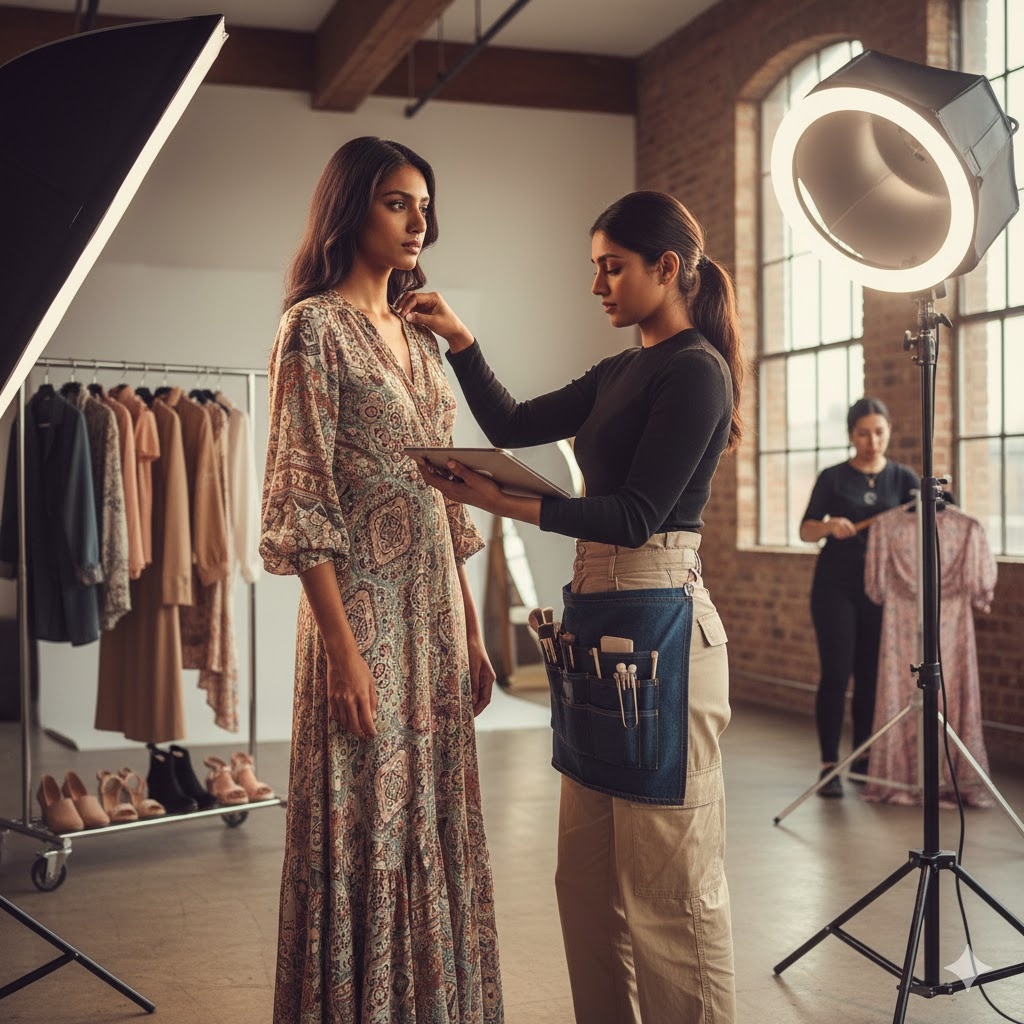
Fashion stylist curating outfits and accessories for celebrity photoshoot and red carpet events
Stylists build cohesive visual identities for photo shoots, red carpet events and celebrity appearances. They help actors, models, influencers and everyday clients build a personal style. Success requires understanding body proportions, colour theory, fabric behaviour and trend forecasting.
Day-to-Day Work
  • Select outfits and accessories for shoots or events.
  • Work with photographers, designers and makeup artists.
  • Create mood boards and look plans.
  • Build relationships with designers and PR teams for pulls.
  • Guide clients on personal styling and wardrobe updates.
Expected Earnings
Celebrity stylists and those working with major production houses earn ₹ 6 - 15 lakh annually, with top-tier stylists commanding premium rates of ₹ 20+ lakh. Freelancers charge per project and see higher earnings during busy seasons.

#4. Fashion Buyer / Merchandiser

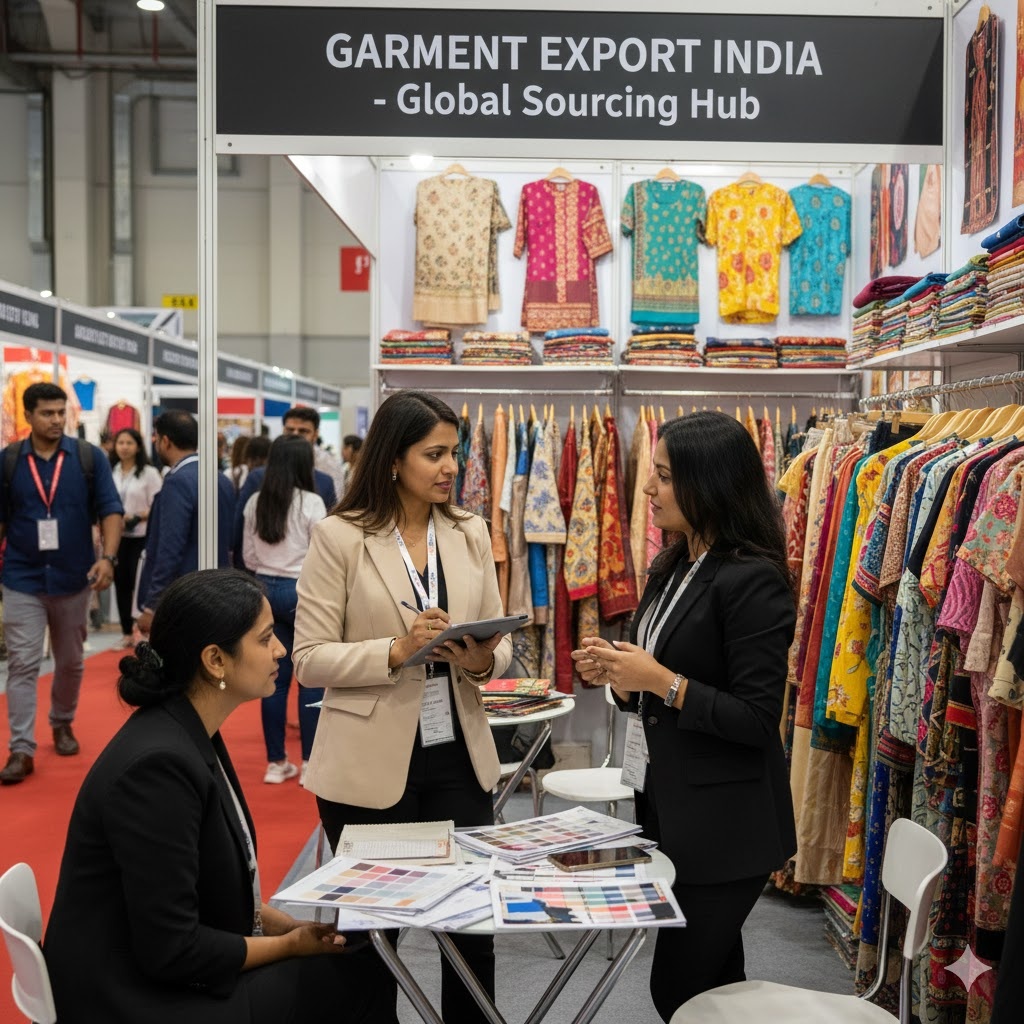
Fashion buyer selecting fabrics and planning inventory based on sales data and trend forecasts
Merchandisers and buyers curate product assortments based on sales data, trend analysis and customer preferences. They study sales data, plan stock and track what customers prefer. Their decisions directly impact profit margins and inventory turnover.
What the job involves
  • Choose fabrics, trims and final product lines.
  • Analyse sales numbers and predict demand for the next season.
  • Work with suppliers and negotiate prices.
  • Track inventory levels and decide reorder quantities.
  • Support marketing with product insights.
Earning potential
Salaries range from ₹ 5 to 15 lakh per year, depending on experience and retail category.

#5. Textile Designer

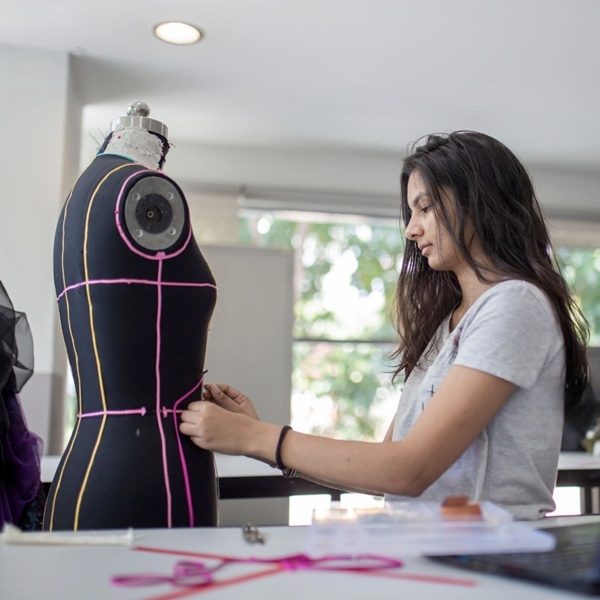
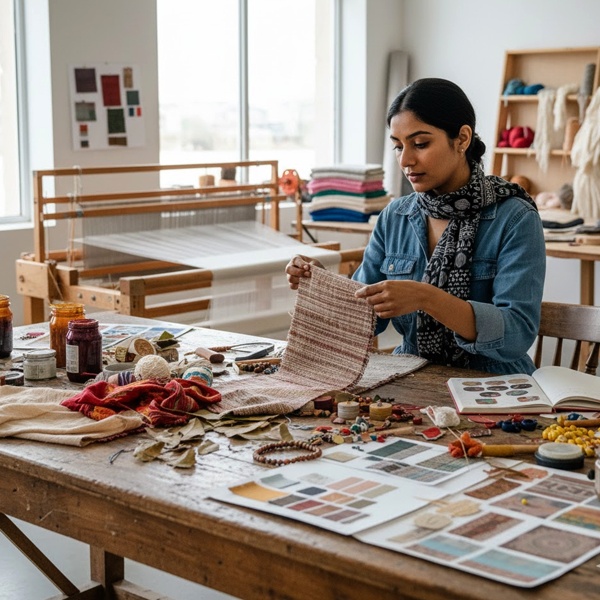
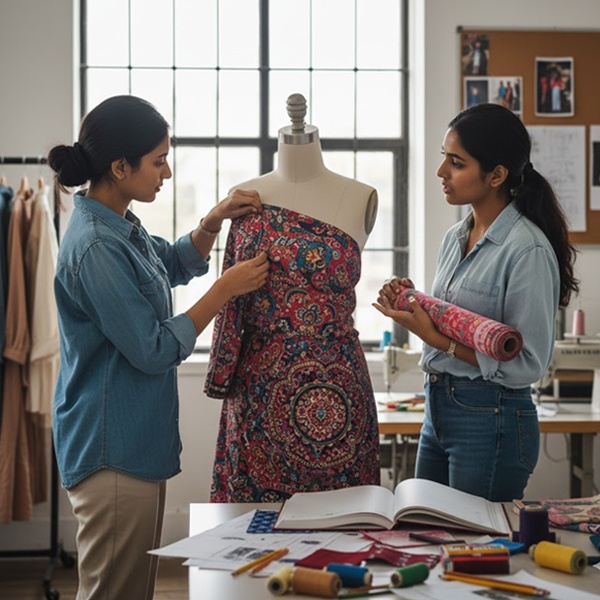
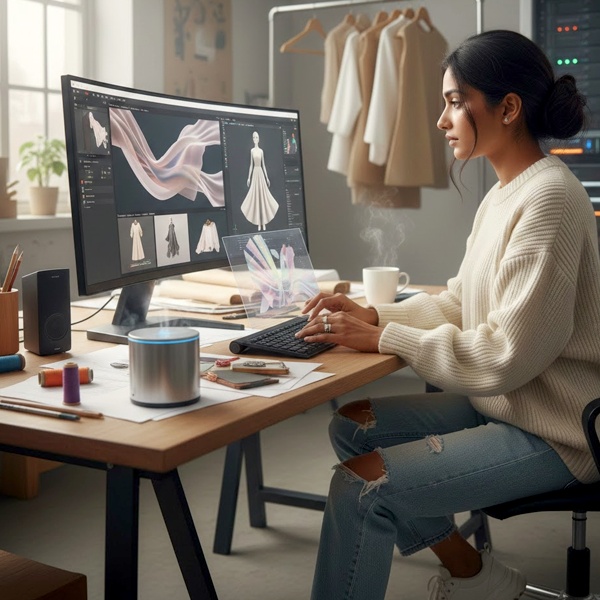
Textile designer developing custom prints and patterns using CAD software for luxury fashion brands
Textile designers create prints, patterns and surface effects that define the visual identity of fabrics used in clothing, home decor and accessories.
Key Responsibilities
  • Develop motifs, prints, weaves and embroidery layouts.
  • Master industry-standard software like Adobe Illustrator, Photoshop and specialised CAD tools for textile design.
  • Experiment with textures and materials.
  • Work with mills and export houses on sampling and production.
Salary Range
Textile designers earn ₹ 3 - 10 lakh annually, with specialised experts at export houses and luxury brands commanding higher packages.

#6. Fashion Photographer

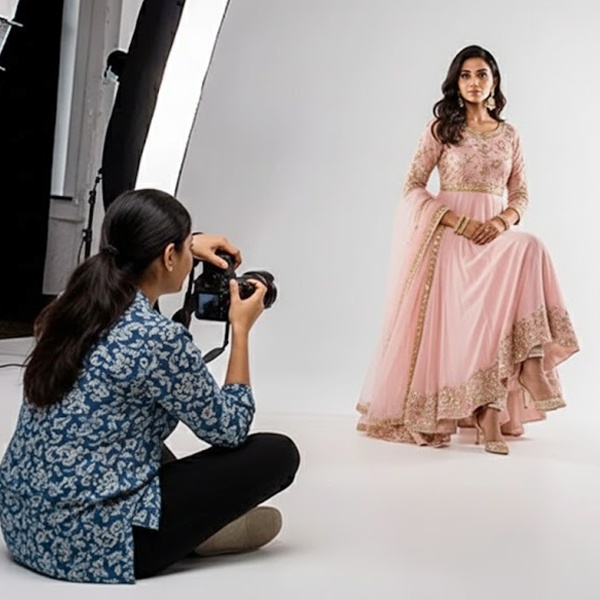
Professional fashion photographer directing model poses and lighting setup for brand campaign shoot
Fashion photographers create visual stories for campaigns, catalogues and editorials. They work with models, stylists and art directors to capture the brand's mood.
Day-to-Day Work
  • Plan shoots and set visual direction.
  • Work with lighting setups and composition.
  • Guide models and styling teams.
  • Edit and deliver final images for publication.
Expected Earnings
Full-time photographers usually earn ₹ 6 to 12 lakh per year. Established freelancers charge per project and earn more based on demand.

#7. Costume Designer for Film and Media

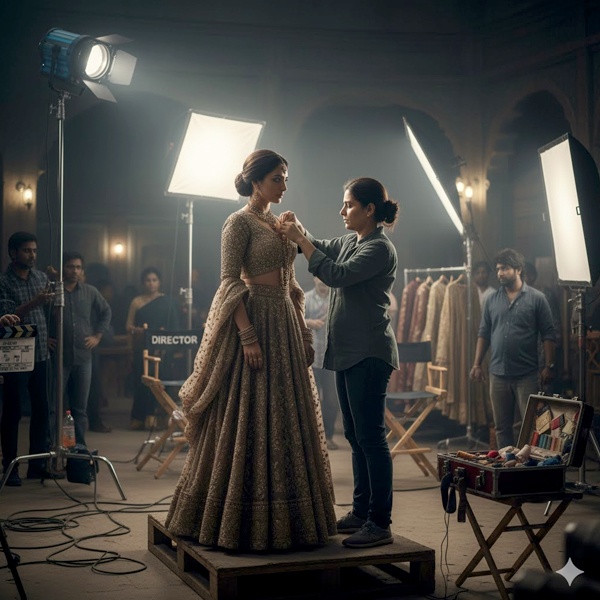
Costume designer creating character-specific wardrobe for Bollywood film and streaming platform production
Costume designers create character-specific looks for films, TV and streaming platforms. They mix research, creativity and storytelling.
What the job involves
  • Study scripts and understand character needs.
  • Create garments that match the film's setting and tone.
  • Work with tailors, dyers and fabric teams.
  • Manage budgets and shoot schedules.
Earning potential
Earnings vary by production budget, but experienced designers usually make ₹ 8 to 20 lakh per year. Large productions offer higher pay.

#8. Fashion Influencer / Content Creator

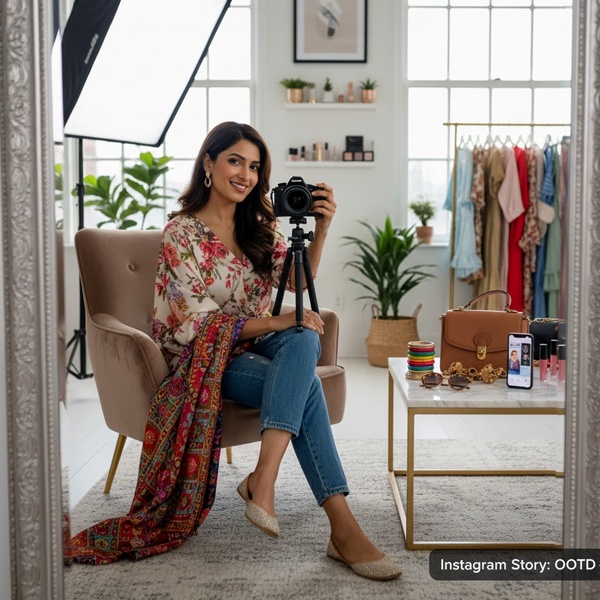
Fashion influencer creating style content and collaborating with brands on Instagram and YouTube platform
Influencers share fashion content online and build communities. They earn through collaborations, brand deals and affiliate marketing.
Key Responsibilities
  • Produce content for Instagram, YouTube or blogs.
  • Build a personal brand and engage with followers.
  • Collaborate with fashion labels and PR teams.
  • Stay updated with trends and analytics.
Salary Range
Income varies, but active influencers with a strong following often cross ₹ 10 lakh per year.

#9. Fashion Marketing & PR Specialist

Fashion marketing specialist planning digital campaigns and managing brand communication for lifestyle companies
Marketing and PR teams shape how a brand appears in the public eye. They handle communication, press, events and digital strategies.
Day-to-Day Work
  • Plan marketing campaigns and social media calendars.
  • Work with editors, creators and PR agencies.
  • Handle press kits and product launches.
  • Track marketing data and audience reach.
Expected Earnings
Most specialists earn between ₹ 5 and 12 lakh per year in fashion and lifestyle brands.

#10. Technical Designer & Pattern Cutter

Technical designer preparing pattern sheets and checking garment fit for bulk production manufacturing
Technical roles support the construction and fit of garments. These professionals ensure that every design translates well in production.
What the job involves
  • Prepare technical sheets and construction details.
  • Work with pattern cutters and sampling teams.
  • Check fit and make corrections.
  • Support factories during bulk production.
Earning potential
Most earn ₹ 4 to 12 lakh per year. Those who specialise in advanced pattern systems earn more.

Emerging / High-Growth Fashion Roles in India

#11. SUSTAINABLE-FASHION SPECIALIST / SUSTAINABILITY-FOCUSED ROLES

As consumers in India and globally grow more conscious about environmental impact, many brands now prioritise sustainable and ethical practices. That shift creates demand for specialists who understand sustainable materials, circular production systems, eco-friendly design and supply-chain transparency.
Job Roles
  • Select and specify eco-friendly fabrics (organic cotton, recycled fibres, low-impact dyes).
  • Design garments or collections that follow “less waste” or “zero-waste” principles.
  • Help brands or manufacturing units to adopt sustainable production methods.
  • Oversee supply-chain practices to ensure ethical sourcing, fair labour and reduced environmental footprint.
Expected Earnings
Salary data is still somewhat varied, but for sustainability-specialist positions (across industries) typical range is ₹ 4 to 30 lakhs per year depending on experience and scope. For fashion-specific roles, many entry-level sustainable-fashion designers or assistants start around ₹ 4 - 8 LPA; mid-level or senior specialists at prominent brands may earn significantly more.

#12. AI-DRIVEN FASHION TECHNOLOGIST / FASHION-TECH SPECIALIST

Technology has begun reshaping how fashion gets designed, produced and sold. The rise of 3D design tools, AI-powered trend forecasting, virtual sampling and smart textiles opens up new roles for people who combine fashion sense with tech skills.
Job Roles
  • Use software (3D CAD, digital sampling tools, virtual-fitting or AR/VR tools) to create designs or prototypes without physical samples.
  • Work on fabric innovation: smart textiles, performance fabrics or tech-enhanced garments (e.g. wearable tech).
  • Collaborate between design, production and technical teams to ensure manufacturability, fit, quality and cost-effectiveness - bridging creative ideas with practical production.
  • Support sustainability and supply-chain efficiency via digital design / sampling and demand forecasting tools - reducing wastage and overproduction.
Potential Earnings
For technologist or fashion-tech roles, typical packages start around ₹4 - 12 LPA. With more experience, especially in sustainable or R&D-intensive areas, pay can rise higher.

#13. E-COMMERCE FASHION BUYER / E-COMMERCE FASHION MANAGER

As online retail grows rapidly in India, companies require professionals to manage product lines, sourcing, buying and marketing - but within a digital-first, fast-paced model. These roles carry more responsibility than conventional retail buying.
Job Roles
  • Select and source apparel and accessories suited to online shoppers - based on trend data, analytics and customer behaviour.
  • Work with designers, manufacturers and merchandisers to launch collections or product batches adapted for e-commerce.
  • Monitor sales data, returns, customer feedback; plan reorders or new launches accordingly.
  • Manage digital catalogues, pricing strategy, online promotions - often coordinating marketing, inventory and supply-chain teams.

How Fashion Salaries Vary in India

Fashion salaries in India vary significantly based on role, experience level, company type and geographic location.

Entry-Level vs Senior Roles

  • Entry-level designers typically earn ₹ 3 - 6 lakh annually, particularly at smaller labels or in tier-2 cities.
  • With 3 - 5 years of experience, mid-level designers earn ₹ 6 - 10 lakh annually.
  • Senior designers at established brands earn ₹ 10 - 18 lakh, whilst creative directors and design heads command ₹ 18 - 36 lakh or higher.

Full-Time vs Freelance and Contract Work

  • Full-time positions offer predictable salary progression tied to experience and increasing responsibility.
  • Freelance designers charge per project and often earn more than salaried peers when they build strong portfolios and specialisations, though income varies with project availability.

How Employer Type and Location Affect Salaries

  • Luxury brands, export houses and established fashion labels pay significantly more than small boutiques or local studios.
  • Metro cities like Mumbai, Delhi and Bengaluru offer 30 - 50% higher salaries than tier-2 and tier-3 cities.

Specialised Skills: Fashion Tech & Sustainability Boost Income

  • Designers skilled in 3D design software, digital pattern making and AI-driven trend forecasting command 20 - 30% salary premiums at innovative brands and fashion-tech startups.
  • Sustainability specialists earn premium salaries as brands increasingly prioritise ethical sourcing and circular fashion practices.

How Indian Salaries Compare Globally

  • Whilst entry-level salaries in India remain below global standards, senior professionals at luxury brands can earn packages comparable to mid-level roles in developed markets.

Skills and Qualifications That Boost Earning Potential in Fashion Careers

Essential skills including 3D design software CAD pattern-making and sustainable fashion certifications for fashion professionals
Specialised skills drive salary growth more than degrees or years of experience alone. Degrees from premier institutes like NIFT, NID or Pearl Academy provide structured training and valuable industry networks. However, your portfolio carries more weight than academic grades. Showcase projects that demonstrate creative thinking, problem-solving and technical execution. Digital proficiency in 3D design, CAD software, digital pattern-making and trend analytics increases earning potential by 25-40%. Brands value professionals who streamline workflows with virtual sampling and data-driven insights.
Industry internships provide practical knowledge that formal education cannot replicate. Additionally, international exposure through workshops or collaborations distinguishes you in a competitive market. Strategic networking consistently opens doors to higher-paying opportunities. Certifications in sustainable fashion or fashion technology signal your adaptability and forward-thinking approach, making you more attractive to progressive brands.

Geographic Hubs and Career Growth in India's Fashion Industry

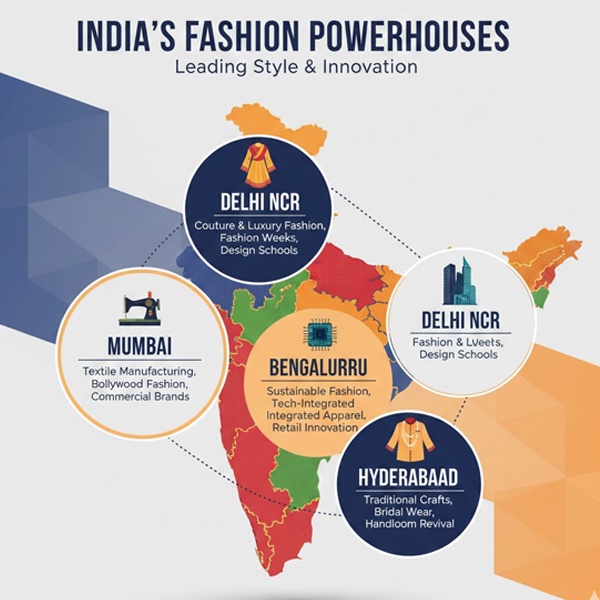
Major fashion career hubs in India including Mumbai Delhi NCR Bangalore and Hyderabad with salary comparison
India's strongest fashion hubs include Mumbai, Delhi NCR, Bengaluru and Hyderabad. These cities host major brands, media houses and design studios, so professionals find more openings, faster promotions and better exposure. Metro-based companies handle larger budgets, international clients and complex projects, justifying higher salary bands. A mid-level designer in Mumbai or Delhi earns ₹ 6-10 lakh annually, whilst the same role in a tier-2 city typically offers ₹ 3-5 lakh.
career progression accelerates in fashion capitals due to frequent industry events, direct access to decision-makers and diverse portfolio-building opportunities. Professionals in smaller cities can access metro-level salaries through remote work and freelance projects with urban-based brands.

How to Build a Portfolio That Commands Higher Pay

Professional fashion portfolio showcasing design sketches styling projects and measurable outcomes for job applications
Choose only your strongest work and arrange it in a clean, simple layout. Designers can show sketches, patterns and final garments. Stylists can add full looks and detail shots. Photographers can highlight lighting, composition and edits. Keep the collection tight so the viewer focuses on your best skills. Add a short note for each project that explains the idea, your role and the outcome. Clear project narratives demonstrate your strategic thinking and execution capabilities, making you more valuable to potential employers.
Use consistent colours, typography and layout to create a professional, cohesive visual identity. Include a short bio, skill list and contact details. Share your portfolio across platforms: Behance for detailed case studies, Instagram for broader visibility and a personal website for a professional, curated presence. Update your portfolio quarterly with recent work. Whenever possible, include measurable outcomes (sales increases, media coverage, client growth) to demonstrate tangible value.

Future Trends That Will Shape High Paying Fashion Jobs

Future fashion industry trends including AI-assisted design sustainable materials and digital fashion technology
AI increasingly influences design decisions, trend forecasting and customer behaviour analysis. Designers proficient in AI-assisted design tools and digital workflows command premium salaries. Sustainability continues creating specialised roles. Brands increasingly seek experts in eco-friendly materials, ethical sourcing and circular fashion models as consumer awareness grows.
E-commerce expansion drives demand for digital stylists, online merchandisers and UX specialists who create seamless omnichannel experiences. Expertise in 3D design, virtual sampling, AR try-ons and digital fashion assets positions professionals for higher earnings and long-term relevance.
 
Building a lucrative fashion career in India requires continuous skill development, strategic networking and hands-on industry experience. Professionals who maintain updated portfolios, master emerging technologies and track market shifts position themselves for premium opportunities. Compensation growth correlates more strongly with demonstrated impact and specialised expertise than with credentials alone.
The fashion industry rewards specialists who combine creative excellence with business acumen and technical proficiency. Focus on building measurable expertise in your chosen area whilst staying adaptable to industry evolution.

FAQ about Top Paying Fashion Jobs

1. What if I don't have a formal degree - can I still enter the fashion industry?

No - many hiring managers value a strong portfolio and relevant experience over formal degrees. Internships, freelancing and visible projects matter most.

2. How long does it typically take to reach a senior fashion designer or creative lead role?

Usually 6-10 years of consistent experience, strong portfolio growth and leadership on projects.

3. Which entry-level roles are easiest to get started with?

Assistant designer, production assistant, junior merchandiser, styling assistant or visiting internships at studios.

4. How do I find internships that actually lead to paid jobs?

Apply directly to brands, use alumni networks, attend fashion events and follow studios on social media; target internships where you can contribute measurable work.

5. Are short online certificates (3-6 months) useful?

Yes - they help learn practical skills and software quickly, but combine them with real projects to build credibility.

6. Can fashion professionals work remotely or freelance full-time?

Yes - many roles (stylists, photographers, digital merchandisers, designers doing tech/3D work) can be freelance or remote, though production-heavy jobs often require in-person work.

7. How should I price my freelance projects when starting out?

Start with project-based rates (not too low), track hours and scope and raise prices as your portfolio and demand grow.

8. Where are the best places to look for fashion job openings in India?

Brand websites, LinkedIn, fashion-specific job boards, alumni groups, Instagram contacts and placements from fashion institutes.

9. What are quick ways to strengthen a portfolio in 3 months?

Undertake 2-3 well-documented projects, include before/after or process shots, add short project notes and publish on a personal site or Behance/Instagram.

10. Any simple tips for negotiating a better salary?

Show measurable impact (sales uplift, campaigns, production savings), present comparable market rates and ask for specific perks (bonuses, learning budget) if budget is tight

11. Is fashion designing profitable in India?

Yes, it can be profitable if you build a strong niche, develop a good client base and price your work correctly. Income grows with experience, visibility and consistent project flow.

12. Which city in India pays best?

Mumbai usually offers the highest salaries because most major brands, production houses and fashion media companies are based there.

13. Freelance vs full-time: what's better?

Freelance gives flexibility and higher earning potential but income can be irregular. Full-time offers stable pay, predictable work and clearer career growth.

 
Citation & References
1. Fashion Designer Entry Salary in India - https://www.salary.com/re...
 
ABOUT THIS ARTICLE
Published On
Updated On05 Dec 2025
PublisherWaves Institute of Fashion Designing
URLhttps://articles.wifd.in/top-highest-paying-fashion-jobs-in-india
Fashion Articles by Waves Institute of Fashion Designing
CONTACT US
Waves Institute of Fashion Designing,
Kerala, India

Ph: +91 9747375599
E-mail: [email protected]
☞   View Sitemap
Way to our Head Office
© 2025 Fashion Articles by Waves Institute of Fashion Designing
Partner Sites -  Waves Fashion Institute   |   FashionBuzz