Presser Foot Guide: 32 Types Explained with Uses for Sewing Machines

Complete guide showing 32 different types of sewing machine presser feet for beginners
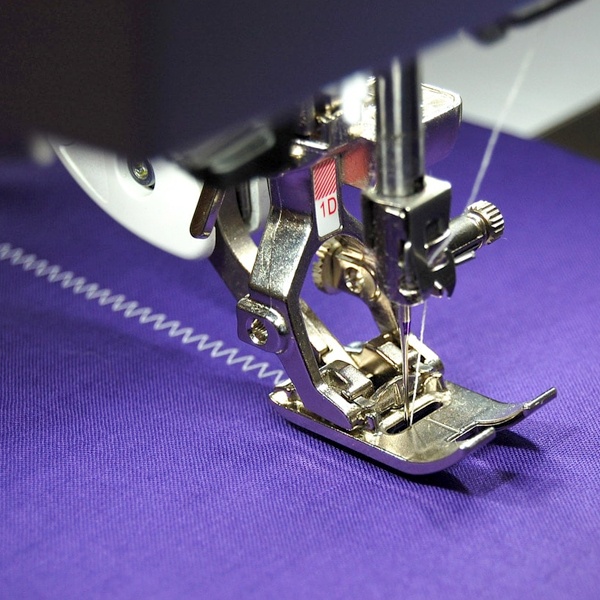
A presser foot is the small part under the needle that holds the fabric in place while you sew. Different fabrics and sewing tasks need different presser feet. A basic foot works well for straight seams, but zips, buttonholes, hems and thick fabrics need special feet. It may look simple, but it does a very important job. It keeps the fabric flat and steady so the stitches come out neat and even. The presser foot presses fabric against the feed dogs below, which grip and move the fabric forward as you sew. The presser foot works with the feed dogs, making sure the fabric moves smoothly without slipping or bunching.
Using the right presser foot improves stitch quality and makes sewing easier, even for beginners. Earlier sewing machines had only one fixed foot. Over time, manufacturers added removable presser feet to handle more tasks with better control. Today, most home sewing machines come with several presser feet that help you sew faster and more accurately.

Presser Foot Anatomy: Understanding the Parts

A presser foot may look small, but every part plays a clear role. When you understand its anatomy, you gain better control over fabric, stitches and finish.

Shank Types and Machine Compatibility

The shank connects the presser foot to the sewing machine. This single part decides whether a foot fits your machine or not.
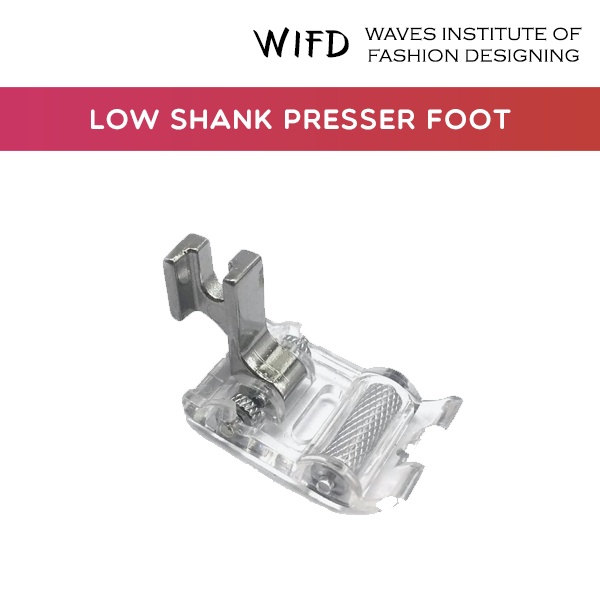
Low shank presser foot attachment for domestic sewing machines like Singer, Brother and Usha

Low Shank

Most domestic sewing machines in India use low shank feet. Brands like Usha, Singer, Brother and Janome commonly follow this standard. You find low shank feet easily in most sewing shops across India at affordable prices.
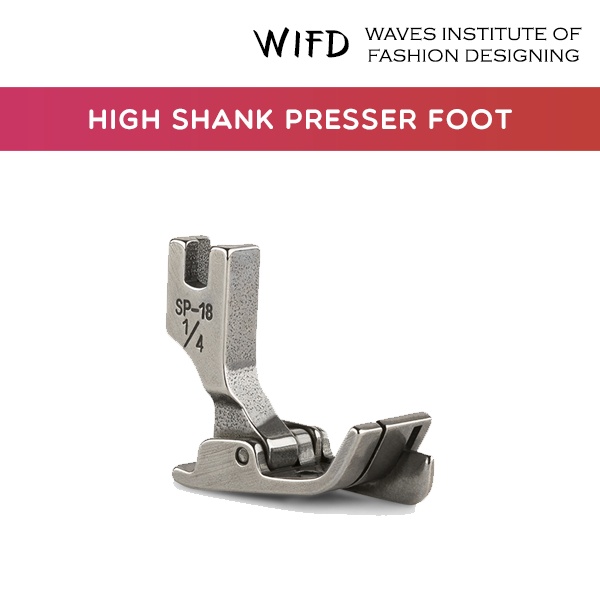
High shank presser foot for industrial and heavy-duty sewing machines

High Shank

Industrial and semi-industrial machines use high shank feet. Tailoring shops and small production units rely on them for heavy fabrics and long stitching hours. These feet sit higher above the needle plate, making them suitable for industrial workloads and heavy-duty fabrics.
Slant shank presser foot designed for older Singer sewing machine models

Slant Shank

Older Singer machines use slant shank feet. The angled position offers better needle visibility, but these feet only work with older Singer models and aren't interchangeable with low or high shank types. You need specific feet designed only for this shank type.

Foot Structure: Sole, Toe and Stitch Guides

The lower part of the presser foot controls fabric movement and stitch accuracy.
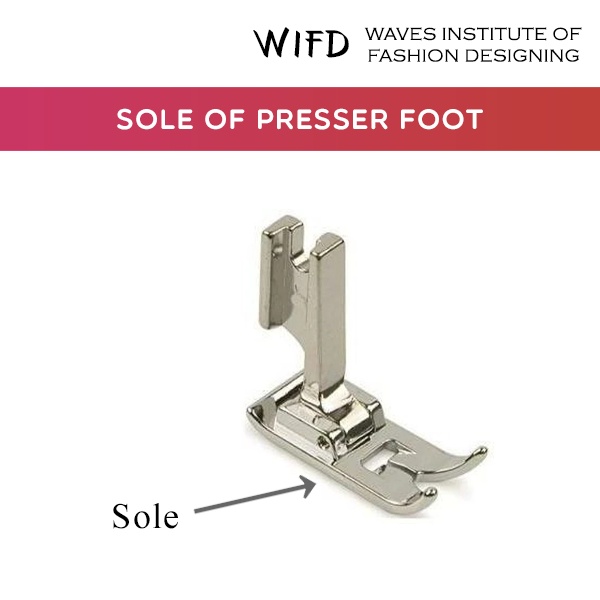
Close-up view of presser foot sole showing fabric contact surface and feed dog interaction

Sole

The sole presses the fabric evenly against the feed dogs. A smooth sole suits straight stitching, while a textured or split sole helps with curves and edges.
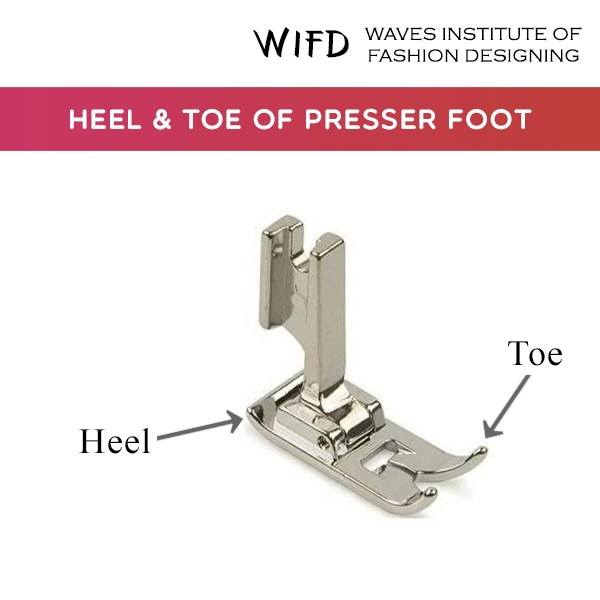
Diagram showing toe and heel parts of presser foot anatomy for sewing machines

Toe

The toe sits at the front. Some feet have a single toe, others have a split or open toe. Open toes improve visibility when you follow marked lines or decorative stitches.
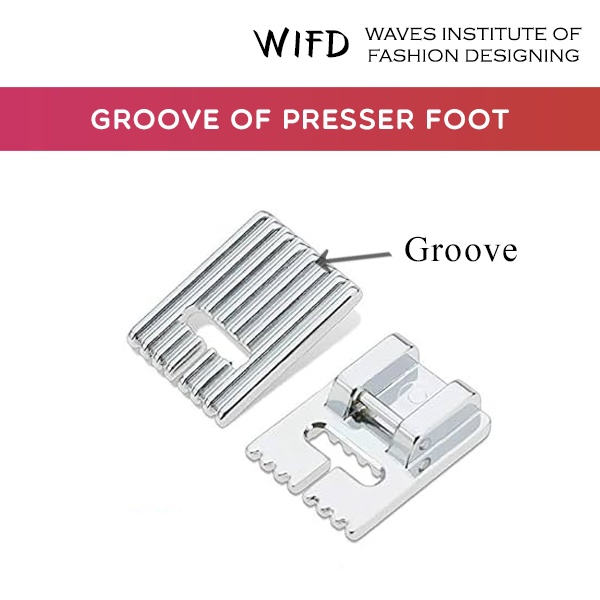
Groove channels underneath presser foot allowing thick stitches like zigzag to pass freely

Groove Channels

Many presser feet include grooves underneath. These channels allow thick stitches like zigzag or satin stitch to pass freely without pulling the fabric.
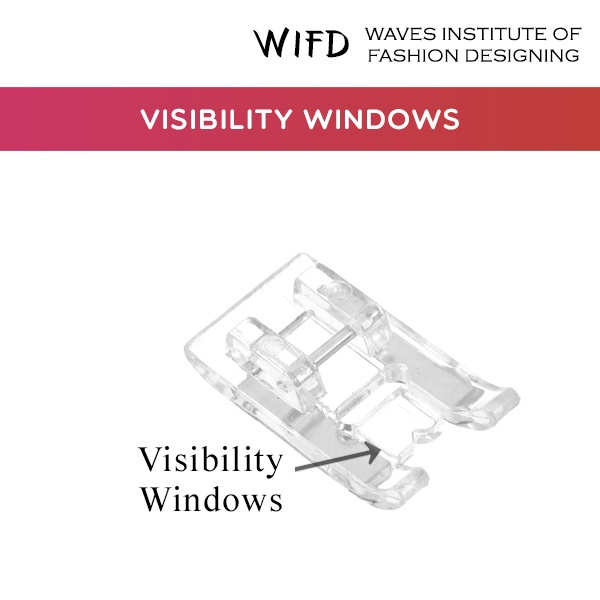
Clear visibility window on presser foot for seeing needle and stitch line during sewing

Visibility Windows

Clear or open sections help you see the needle and stitch line clearly. This feature helps beginners maintain straight seams and accurate spacing.

Snap-On vs Screw-On Presser Feet

How the foot attaches matters for speed and flexibility.
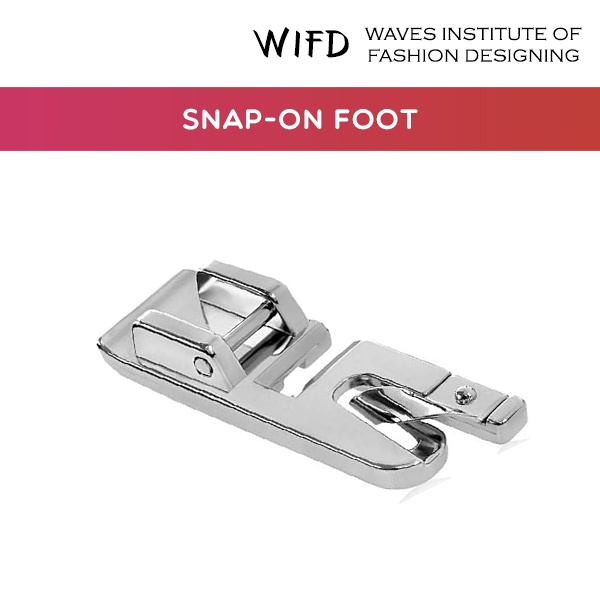
Snap-on presser foot with quick-attach mechanism for easy changing on home sewing machines

Snap-on feet

These feet clip into place within seconds. Home sewists prefer them because they allow quick changes during a project. Most low shank machines support snap-on feet.
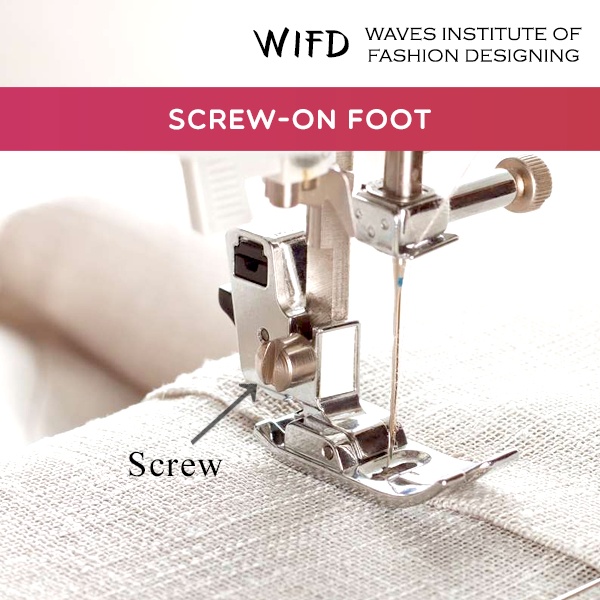
Screw-on presser foot attachment for stable heavy-duty sewing on industrial machines

Screw-on feet

These feet attach with a screw. They stay stable during heavy-duty work and suit industrial use. Tailors often choose screw-on feet for thick layers and long seams.

32 Presser Foot Types

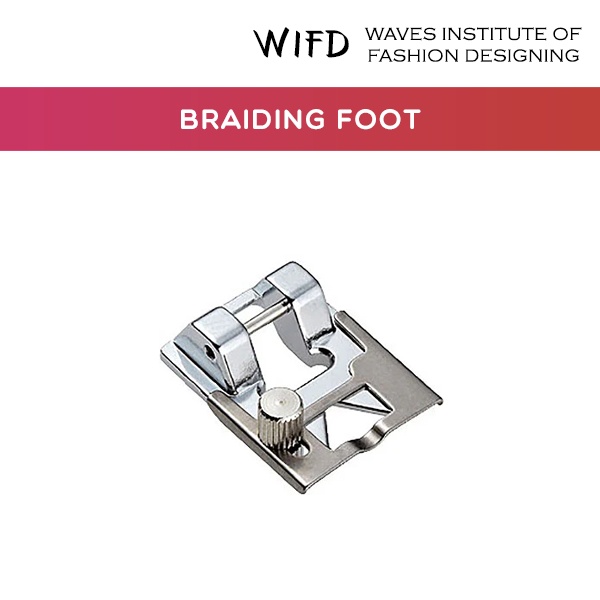
Braiding foot for attaching decorative ribbons, braids and sequin chains to fabric

1. Braiding Foot

The braiding foot attaches decorative trims like ribbons, braids, sequins chains etc. Trims and Ribbons of the size 3/8 inches or fewer will easily pass through the hole in the foot. It comes with a screw that helps you to adjust the front plate forward and backward. You can stitch both zigzag and straight stitch as per your requirement.
Fringe or looper foot creating decorative fabric loops and frill effects in sewing

2. Fringe Foot

The fringe foot (also called a looper foot) creates fabric loops or fringes. You can create loops which go back and forth over the center bar on the foot or you can cut those by switching back to a regular foot and sewing a side stitch through them which gives you a frill effect. You can take width of the stitch according to your choice. Use fusing paper or it should be thick cloth.
Groove cording foot with slotted guide holding up to three lightweight yarns or cords

3. Groove Cording Foot

The cording foot holds up to three lightweight yarns or cords in its slotted guide. Grooves underneath let cords pass freely whilst you apply decorative stitches. You can also use it for gathering by stitching cord to fabric and pulling it tight.
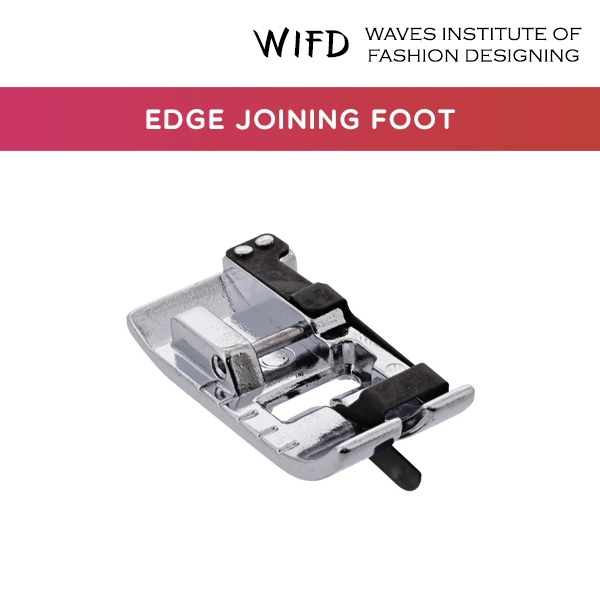
Edge joining or ditch foot for sewing fabric edges together side by side with decorative stitches

4. Edge Joining Foot

The edge joining foot (also called a ditch foot) sews fabric edges together side by side. Use it for ditch stitching on quilts or joining trims with decorative stitches between them. Few of these foot already have a presser foot holder attached to it whereas few models are snap-on style. The functions remain the same in both the types. A vertical blade like projection at the center front area is used to guide fabric edges while stitching. This foot is also known as the Ditch Foot. Top stitch works very well with this foot. The fabric edges can be joined together while at the same time beautiful decorative stitches can also be created between the trim.
Quilting or piecing presser foot with markings for accurate 1/4 inch and 1/8 inch seam allowances

5. Quilting / Piecing Presser Foot

When it comes to quilting, this presser foot is used. It can accurately sew with seam allowance of 1/4 inch and 1/8 inch. The size markings are provided on the foot which make seams accurate from the edge. The straight stitching guide makes sure that the stitches are made absolutely straight.
Straight stitch presser foot with small needle opening for uniform stitches on delicate fabrics

6. Straight Stitch Presser Foot (Basic)

This foot creates more uniform stitches than an all-purpose foot because its small needle opening provides extra thread support. The small needle opening allows the thread to lock more uniformly, thus producing a better looking stitch. Straight stitch foot is often used on very fine fabrics. The extra support of this foot helps to prevent delicate fabrics and knits from getting jammed into the needle plate as the fabric is being held more securely. This particular foot is flat on the underside to provide an even pressure against the feed dog and it has a rounded needle hole which offers the benefit of more support around the needle to prevent skipped stitches and puckering.
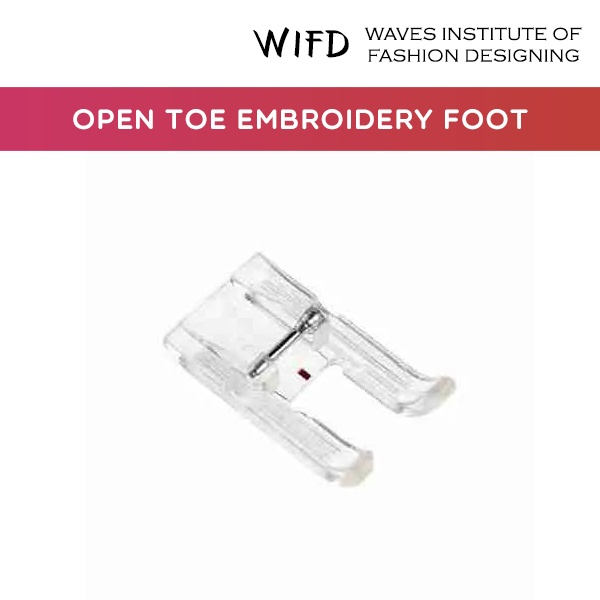
Open toe embroidery foot with wide opening for better visibility during decorative stitching and applique

7. Open Toe Embroidery Foot

The open toe embroidery foot features a wide opening at the front for better visibility during decorative stitching and appliqué work. Its grooved underside lets dense stitches and raised trims feed smoothly.
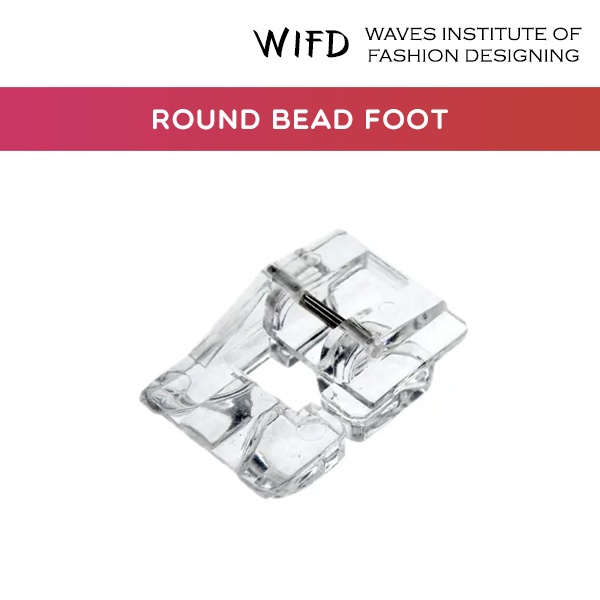
Round bead foot with channel groove for attaching strings and beads to fabric while sewing

8. Round Bead Foot

Beading foot helps you attach strings and beads to your fabric. The 3 most common beading foot are the 2, 4 and 6 millimeter ones. The bottom of the foot has a channel or a groove which allows the beads to pass through it as you stitch. The needle passes through both sides of the beads and stitches them onto the fabric.
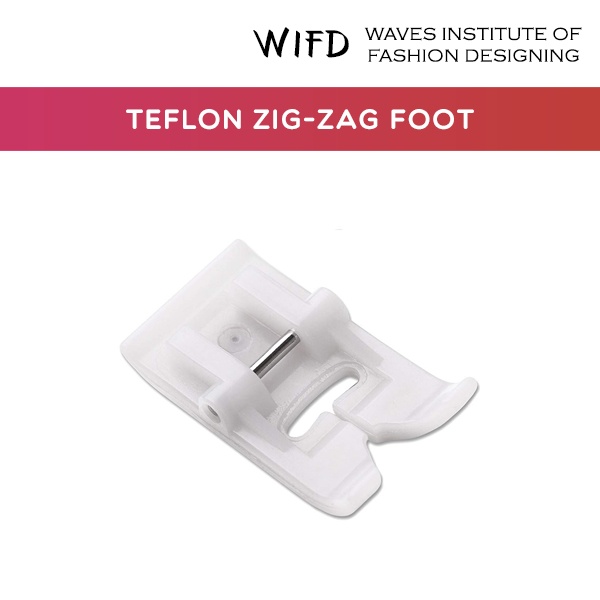
Teflon coated zigzag presser foot for sewing leather, vinyl and plastic without sticking

9. Teflon Zig-Zag Presser Foot

This Teflon coated foot can be used for both straight and decorative stitching on leather, vinyl, plastic or other fabrics that would stick, slip or slide under a normal (regular) presser foot. The coated backing prevents the fabric from tugging against the foot and allows it to glide through the machine with ease. The Teflon non-stick foot resembles a normal presser foot in shape but it is coated with or entirely made from Teflon.
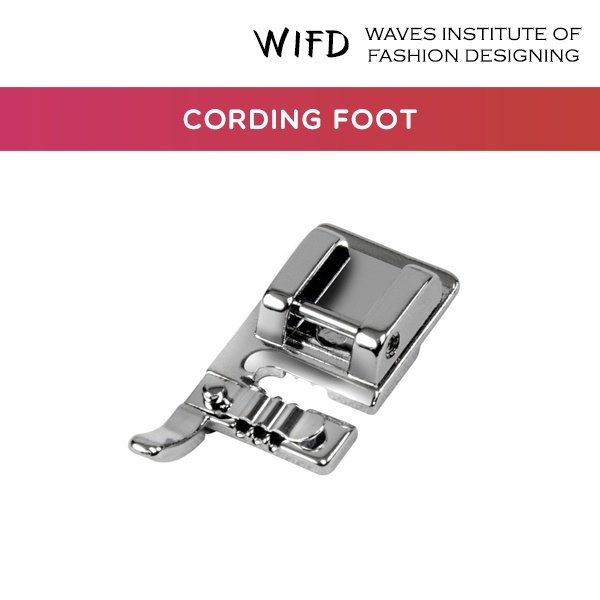
Cording foot with three-slot guide for adding surface embellishment with cords and yarn

10. Cording Foot

The cording foot snaps on to the existing shank and presser foot holder on your machine. The guide on the top of the foot has three slots in which to place cords. To load the cords into the slots on the top of the foot, simply slide the cords in from the right. It is used to add surface embellishment to fabrics with cords, thin braids or yarn...
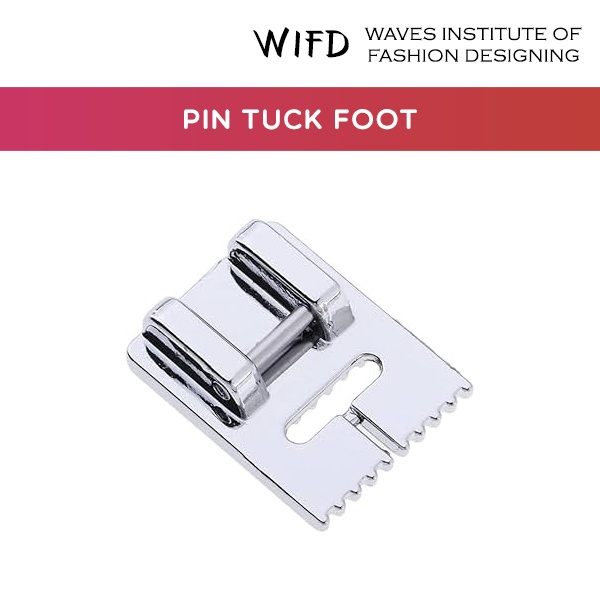
Pin tuck foot with multiple grooves for creating raised tucks using twin needle on lightweight fabrics

11. Pin Tuck Foot

The pin tuck foot is used with a twin needle or double needle to create raised tucks in the fabric. The best results come from lightweight fabrics such as organdy and silk. The foot has multiple evenly spaced grooves on the bottom which keeps the tucks from being flattened. These grooves also ensures that each row is perfectly parallel to the previous one. Corded Pin Tucks also can be made with the help of this foot. It is typically found with 3, 5, 7 or 9 grooves on the bottom.
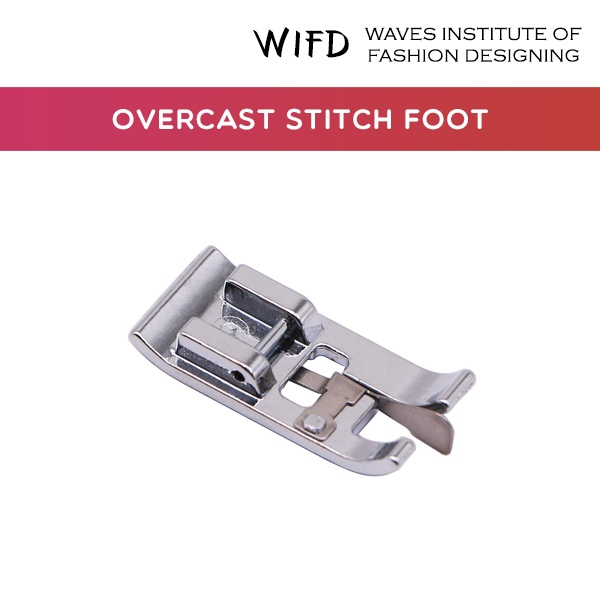
Overcast or overedge stitch foot with prong for adding seam finish at fabric edges

12. Overcast Stitch Foot

This foot is also known by the name Overedge Foot. The style of the foot may vary slightly, but they work essentially the same way. It is used to add a seam finish at the edge of the seam allowance. It can also be used to sew a seam while at the same time sewing a edge finish. The overcast foot has a small prong or bridge within the stitching area of the foot which allows more thread into the stitch. There is an extension at the front for the foot to guide the edge of the fabric for sewing seams or seam finishes. You can use zigzag, multi stitch zigzag or an over edge stitch.
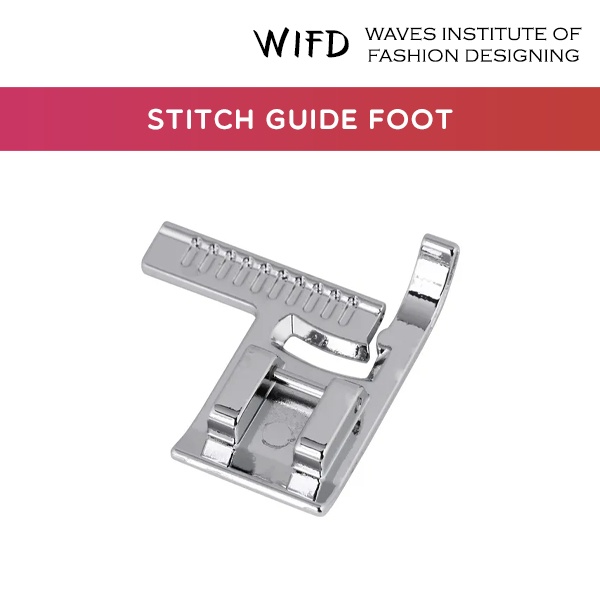
Stitch guide or gauge foot with ruler markings from 3/8 inch to 1 inch for parallel stitching

13. Stitch Guide Foot

The stitch guide foot features ruler markings from 3/8 inch to 1 inch, helping you sew parallel lines at consistent distances. The outer edge measures exactly 1 inch. The ruler makes it very easy to sew straight stitches and parallel stitching lines. This comes with many markings over it ranging from 3/8 inch upto 1 inch. The outer edge of the foot is exactly 1 inch. The foot is also known as Gauge Presser Foot. You can also use twin needle.
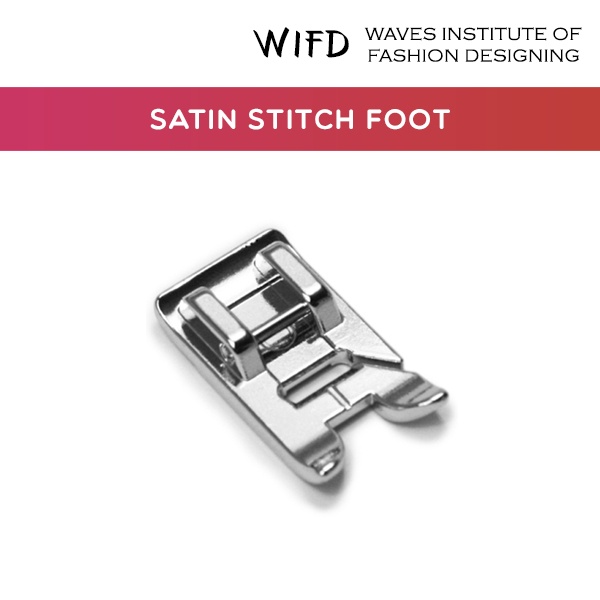
Satin stitch foot with back groove for decorative stitching and surface embellishment

14. Satin Stitch Foot

This is almost same as the Applique Foot, but a little longer. It is used for decorative stitching or surface embellishment on many types of projects. This foot has a groove at the back that allows raised thread of the satin stitch to pass through very easily.
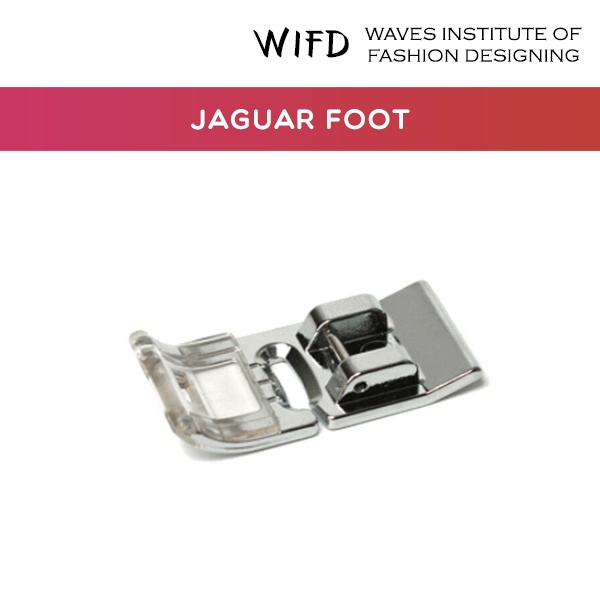
Jaguar presser foot with transparent front and longer back edge for extra fabric support

15. Jaguar Foot

Jaguar Foot is almost similar to the all-purpose foot which is used to finish seams, stitch hems, top stitch and sew straight stitch. The Jaguar foot extends the all-purpose foot design with a transparent front and longer back edge for extra fabric support during stitching.
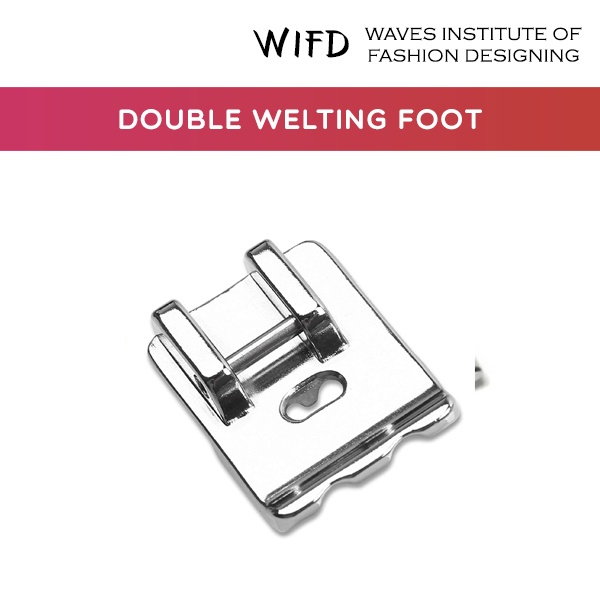
Double welting foot with two grooves for piping and cord covered with fabric

16. Double Welting Foot

This foot is used for piping. There are 2 grooves at the back side of the foot. These grooves allow cord to pass through it. You have to adjust the needle position which will allow you to stitch on either side of the cord which is covered with a fabric.
Invisible zipper foot with two grooves underneath to hold zipper coils in place while stitching

17. Invisible Zipper Foot

This is an amazing presser foot. It helps you in sewing invisible zippers. It has two grooves underneath the foot to accommodate the zipper coils and to hold them in place as you stitch. By a zipper that is at least 1 and 1/4 inch longer than zipper opening.
Roller foot with large front roller and small back rollers for sewing thick fabrics and leather

18. Roller Foot

Roller Foot can be used to sew thicker fabrics, napped fabrics, heavy knits, leather, vinyl or any heavier weight fabrics that are difficult to feed . It has a large roller at the front and 2 small rollers at the back which provide more traction for your fabrics as it is been fed through the machine.
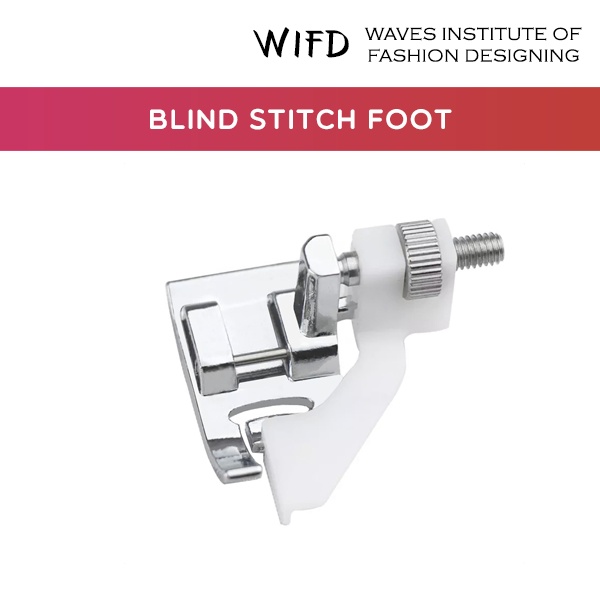
Blind stitch foot with adjustable bar for invisible hemming on pants and garments

19. Blind Stitch Foot

It is the best foot for hemming pants. Hemming is also very easy and beautiful with this foot. It comes with an adjustable bar which makes stitching convenient.
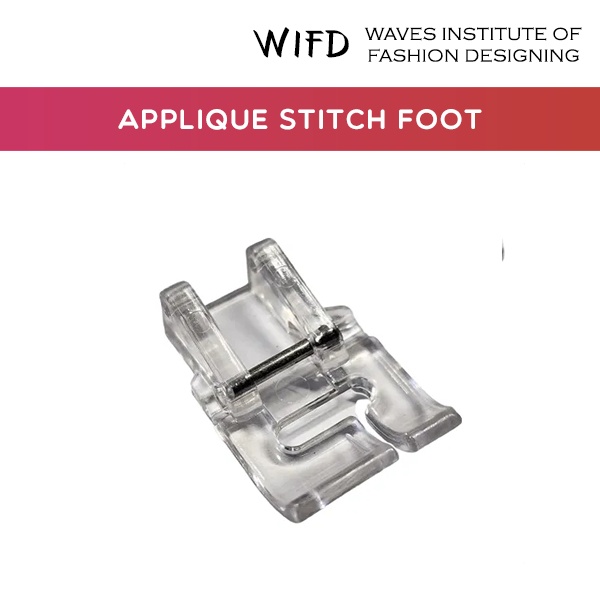
Applique stitch foot made of clear plastic for easy viewing and sewing around curved appliqué pieces

20. Applique Stitch Foot

Applique Stitch Foot is a short presser foot almost 3/4 of the size of the straight presser foot. It makes sewing around curves of the applique pieces very easily. It is made of clear plastic for easier viewing as you sew.
Darning presser foot with spring for free motion quilting, thread painting and fabric repair

21. Darning Presser Foot

It is used for form stitching in quilting / thread painting, monogram and even for repairing torn areas. It comes with a spring which makes it easy to sew on fabrics of varying height. With the help of this foot you can do free motion quilting on your regular sewing machine.
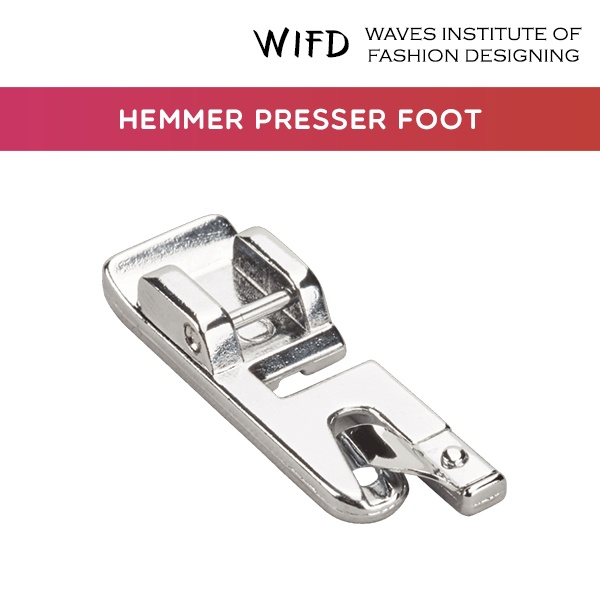
Hemmer presser foot for creating curled rolled hem finish on fabric edges that fray

22. Hemmer Presser Foot

This foot leads in finishing fabric edges in a curly manner. This foot is very useful especially for fabric which frays a lot. There are different variants of foot, like 3 mm, 6 mm etc. The edge of the fabric is guided to the curl on the hem foot and then it is stitched with either a straight stitch or a zig zag stitch. There are 2 foot which almost look similar Both the foot looks identical at the front but one has a groove on the back. The foot without a groove makes a flat hem.
Bias tape binder foot with adjustable guide wrapping bias tape around fabric edges from 3/8 to 3/4 inches

23. Bias Tape Binder Foot

This foot is used to apply bias binding tape to fabric edges. It can be adjusted from 3/8 inches to 3/4 inches. This type of foot can be used to make button loops / ties / straps. The guide in this foot wraps the bias tape around the edges of the fabric.
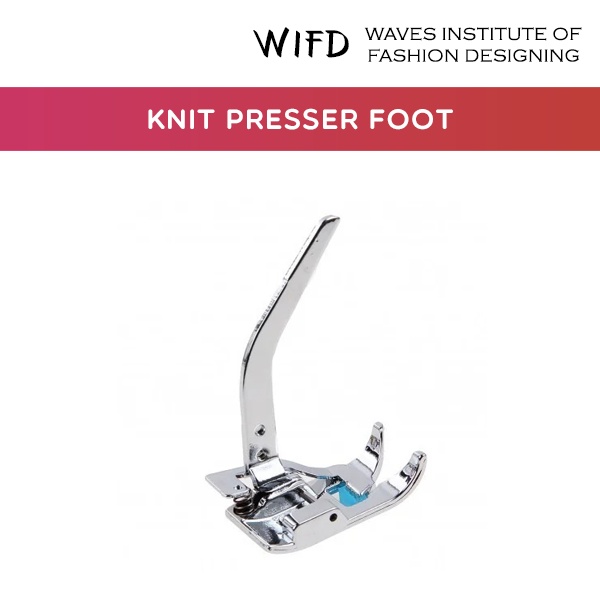
Knit or tricot presser foot for sewing stretch fabrics and spandex knits without stretching

24. Knit Presser Foot

This foot is used for sewing with knits. It is also used as an alternative to a walking foot. It helps in sewing knits without stretching them. It works very well with Spandex Knits that are thin, stretchy, soft and fragile. This foot is also known as Tricot.
Piping or zipper foot for stitching close to zipper teeth and cord in piping applications

25. Piping Foot or Zipper Foot

The foot is most essential when it comes to sewing zippers. This foot is the best as it can sew very close to the zipper teeth. You can move the needle accordingly to stitch on the right and left side of the zipper. When it comes to stitch piping, you can use this foot and stitch very close to the cord.
Buttonhole presser foot for creating perfectly sized buttonholes quickly and easily

26. Buttonhole Presser Foot

This foot can quickly make beautiful button holes without the hassle of doing it by hand.
Button sewing presser foot holding button firmly for attaching with zigzag stitch

27. Button Presser Foot

This presser foot helps you sew buttons very easily. This foot holds the button firmly and you are able to sew the buttons very well. The zig zag stitch is adjusted perfectly to sew the button on to the fabric.
Gathering or shirring foot for creating ruffles and attaching gathered fabric to flat fabric

28. Gathering / Shirring Presser Foot

It is used on lightweight fabrics for gathering. This foot can be used to attach gathered fabric to flat fabrics. This foot helps you to get amazing ruffles and gathers.
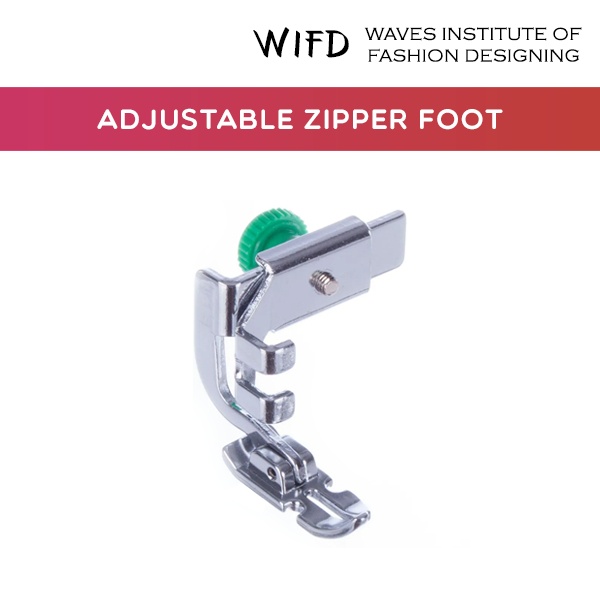
Adjustable zipper foot with left and right needle positions for sewing both sides of zippers and piping

29. Adjustable Zipper Foot

Adjustable Zipper Foot is really wonderful. The foot is used for attaching Zipper and also for pipings. It is a variation of the normal zipper foot. You can adjust the needle to left or right to sew both sides of your zipper.
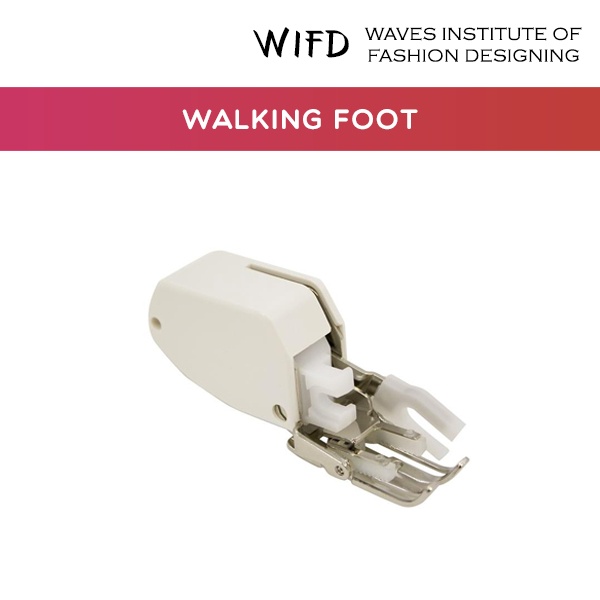
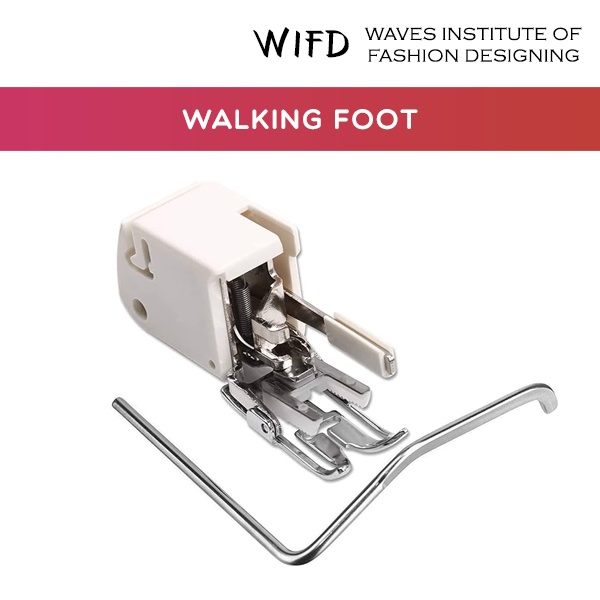
Walking foot with dual independent feet for evenly feeding multiple fabric layers and quilting

30. Walking Foot

Walking Foot name is derived because it literally looks like the feet are walking. The inside foot in known as The Needle Foot which moves separately with the needle. At the outer you have the Presser Foot, which moves independently of the needle and the needle foot. This foot is very important while sewing things like seat covers, anything with form or things that require multiple layers of fabric. It comes handy when you stitch multiple layers of fabric. It has 2 separate foot moving independently. When the needle penetrates the fabric it moves backwards and the other foot holds the fabric together firmly in its place.
Teflon non-stick presser foot with coating for sewing leather, suede and vinyl fabrics smoothly

31. Teflon Foot

Special fabrics like Leather, Suede and Vinyl (Polyethylene Fabrics) require a special presser foot which comes with a no-stick coating. This helps the fabric to flow through the machine easily. There are 2 different types of teflon foot available in the market.
  • Standard Teflon Zig Zag
  • Adjustable Telfon Zipper
The standard one is used for general seaming, hemming, top stitching and some decorative stitches. Whereas the adjustable teflon zipper foot is used to insert zippers and to insert piping in these fabrics.
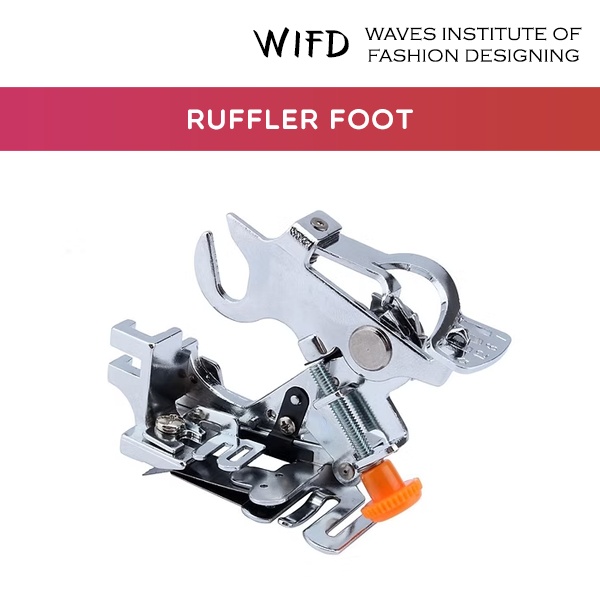
Ruffler foot with adjustable screws for creating pleats and ruffles with variable depth and spacing

32. Ruffler Foot

This foot is very useful when it comes to creating pleats and ruffles. It comes with an option to change the depth and distance between the pleats. There is a screw for adjustment, the smaller number creates lesser gathers or small tucks. To increase gathers of deeper tucks you can adjust the number. The fullness of the gathers and ruffles depends on the stitch length.

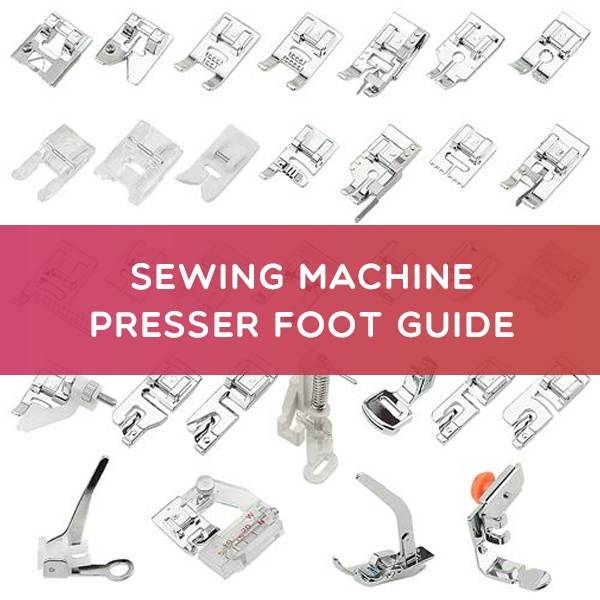
Walking Foot vs Regular Presser Foot

Both feet press fabric, but they move it differently.
Regular all-purpose presser foot relying on feed dogs alone for single-layer fabric movement

Regular Presser Foot

This foot relies on feed dogs alone to move fabric from below. It works well for cotton, linen and single-layer fabrics.
Walking foot moving fabric from top and bottom simultaneously preventing slipping in layered projects

Walking Foot

A walking foot moves fabric from the top and bottom at the same time. This action prevents slipping and uneven layers. Quilters and designers use it for knits, velvet, denim and layered projects like jackets or quilts.

How to Choose the Right Foot

The right presser foot eliminates common problems like skipped stitches, puckering and uneven seams. A good match gives you clean stitches, smooth fabric movement and fewer mistakes. Here is how to pick the right foot without confusion.

Match the Foot to the Fabric Type

Guide showing how to match the right presser foot to different fabric types including light, medium and heavy fabrics
  • Light fabrics like cotton voile, chiffon or georgette work best with a standard presser foot or a straight stitch foot. These feet hold the fabric gently and prevent puckering.
  • Medium fabrics such as cotton poplin or linen stitch well with an all purpose foot. This foot handles everyday sewing with ease.
  • Heavy fabrics like denim, canvas or upholstery fabric need a jeans foot or a walking foot. These feet grip thick layers firmly and move them evenly. This helps avoid skipped stitches and broken needles.
If you often sew Indian Wear like salwar suits or kurtis, keep separate feet for lightweight lining fabric and heavier outer fabric.

Choose Based on Stitch Type and Width

Visual guide for choosing presser foot based on stitch type and width including straight, zigzag and decorative stitches
Every presser foot supports specific stitches.
  • For straight stitching, a straight stitch foot gives better control and sharper seams.
  • For zigzag or decorative stitches, use an all purpose or satin stitch foot. These feet allow wider needle movement without hitting the metal plate.
  • For buttonholes, always use a buttonhole foot. It measures stitch length accurately and keeps both sides even.
  • For topstitching or edge stitching, an edge guide foot helps maintain equal distance from the fabric edge.
Before sewing, check your stitch width setting. If the foot opening looks narrow, avoid wide stitches.

Check Machine Compatibility First

Not every presser foot fits every machine.
  • Most domestic machines in India use low shank feet. Brands like Usha, Singer, Brother and Janome usually fall into this category.
  • Some machines use snap on feet, while older models use screw on feet. Always confirm before buying.
  • Imported or specialised feet may not suit all Indian machine models. Check the brand guide or ask the dealer.

Know When a Presser Foot Is Not Needed

In rare cases, you can sew without a presser foot.
  • During free motion embroidery or darning, you remove the foot and lower the feed dogs.
  • For manual fabric guiding techniques, some advanced users prefer no foot.

How to Attach, Use and Care for Sewing Machine Presser Feet

  • Attaching a Presser Foot Correctly

    Start by switching off the sewing machine. Raise the presser foot lever and lift the needle to its highest position. This step keeps your fingers safe and gives clear access to the foot area. For snap-on presser feet, press the release lever behind the foot. The foot drops away easily. Place the new foot under the presser bar, align it carefully and lower the presser foot lever. You will hear a soft click when the foot locks in place. For screw-on feet, use a screwdriver to loosen the side screw. Remove the old foot, position the new one and tighten the screw firmly but gently. Do not over-tighten, as this can damage the holder. Always check that the foot sits straight and holds securely before you start sewing.
  • Using the Presser Foot the Right Way

    Each presser foot serves a specific purpose. A zipper foot works best for close stitching, while a buttonhole foot controls stitch length automatically. Match the foot to the task for clean and accurate results. After changing the foot, test your stitches on a scrap piece of fabric. Check stitch balance, fabric movement and seam quality. If the fabric pulls, puckers or slips, adjust the upper thread tension slightly. In most Indian home machines, small tension changes make a big difference. Sew at a steady speed. Let the presser foot guide the fabric instead of pushing or pulling it by hand. This habit protects both the foot and the feed dogs.
  • Checking Stitch Quality After a Foot Change

    Look closely at the stitches on both sides of the fabric. Balanced stitches sit neatly without loops or loose threads. If the stitches look uneven, recheck foot alignment and thread tension. For speciality feet like walking feet or rolled hem feet, slow down and guide the fabric gently. These feet need patience to perform well.
  • Storing Presser Feet Safely

    Store presser feet in a small plastic box or a labelled organiser. Many affordable organisers cost under ₹1000 in India and keep feet from rubbing against each other. Keep the feet dry and away from dust. Moisture can cause rust, especially on metal feet. Always return the foot to storage after use instead of leaving it attached to the machine.
  • Caring and Maintaining Presser Feet

    Clean presser feet regularly with a soft brush or dry cloth. Remove lint, thread bits and fabric dust after long sewing sessions. For sticky residue from interfacing or tape, wipe gently with a cloth slightly dampened with rubbing alcohol. Avoid dropping presser feet. Even a small bend can affect stitch accuracy. Never force thick fabric under a foot that is not designed for heavy layers.

Common Sewing Machine Presser Foot Problems and Practical Fixes

  • Skipped stitches caused by the wrong presser foot or settings

    Skipped stitches signal a mismatch between your presser foot and fabric type. A straight stitch foot on thick denim or stretch fabric struggles to hold the fabric evenly. The needle misses the thread loop and leaves gaps. Switch to a walking foot for layers or a stretch foot for knits. Check the stitch length and tension before sewing. On most domestic machines in India, a small adjustment saves time and thread. In tailoring units, this single change reduces rework costs and needle breakage.
  • Fabric shifting or puckering while stitching

    Fabric shifting happens when the presser foot pressure does not suit the material. Light fabrics like chiffon or georgette slide forward, while cotton puckers under excess pressure. Adjust the presser foot pressure if your machine allows it. Use a straight stitch foot with a small needle hole for thin fabrics. For heavy fabrics, a walking foot feeds both layers evenly. Tailors often keep separate feet ready instead of forcing one foot to handle every fabric.
  • Presser foot hitting the needle

    A presser foot hitting the needle usually points to a wrong foot selection or incorrect needle position. Wide zigzag feet clash with straight stitch settings if the needle position stays off-centre. Always match the presser foot to the stitch width. Check needle alignment before pressing the pedal. Always check needle position before starting to prevent damage to your foot and needle.
  • Difficulty sewing leather, vinyl or coated fabrics

    Standard metal feet grip leather and vinyl too tightly. The fabric sticks and refuses to move smoothly. Use a non-stick presser foot made of Teflon or a roller foot. These feet glide over sticky surfaces and give clean, even stitches. In small-scale bag or footwear units, this foot improves stitch quality without slowing production.
  • Uneven feeding on thick or layered fabric

    Thick seams, quilt layers or folded hems often climb unevenly under a regular foot. The front of the foot lifts while the back stays flat, which causes uneven stitches. Use a walking foot or a hump jumper to level the foot. This simple tool costs very little and saves fabric from uneven seams, especially during blouse or kurta stitching.

Real-World Examples: How the Right Foot Makes a Difference

  • Hemming trousers neatly with a blind hem foot

    A tailoring student in Chennai struggled to give formal trousers a clean finish. Regular hemming always showed a stitch line on the outside. She switched to a blind hem presser foot and followed the fold guide carefully. The foot allowed the needle to catch just one or two fabric threads. The result looked almost invisible from the right side. She reduced rework time and increased her earnings per alteration by avoiding hand finishing. This case shows how a blind hem foot improves finish quality and speeds up professional hemming.
  • Installing an invisible zipper using a zipper foot

    A boutique owner in Jaipur wanted to add invisible zips to kurtis but faced puckering and uneven seams. She used a special invisible zipper foot instead of a standard zipper foot. The grooves under the foot rolled the zipper coils flat, letting the needle stitch close to the teeth. The zip disappeared completely into the seam. Customer complaints dropped and she confidently charged ₹300 extra per garment for invisible zip work. This example proves that the correct zipper foot improves accuracy and garment value.
  • Quilting straight seams with a piecing foot

    A home quilter in Coimbatore worked on patchwork cushion covers using leftover cotton fabric. Inconsistent seam allowance caused blocks to misalign. She changed to a quarter-inch piecing foot designed for quilting seams. The built-in guide kept every seam consistent. The blocks matched perfectly without trimming. Fabric waste reduced and project time dropped by nearly one third. This case highlights how a piecing foot supports precision and efficiency in quilting.
  • Sewing elastic and knit fabric with the right presser foot

    A small activewear unit in Tiruppur faced stretched seams while sewing leggings. Regular presser feet pulled the knit fabric unevenly. The team switched to a knit or walking foot. The foot fed top and bottom layers evenly and prevented stretching. Seams stayed flat and strong even after repeated washes. The factory significantly reduced rejected pieces and material waste. This example shows why elastic and knit sewing needs a specialised presser foot for consistent results.

FAQ about Presser Feet

1. What is a presser foot in a sewing machine?

A presser foot is a small attachment that holds the fabric flat while you sew. It works with the feed dogs to move the fabric smoothly under the needle and helps create neat, even stitches.

2. Why are different presser feet used in sewing?

Each presser foot supports a specific sewing task. Some help with zips, others with hems, thick fabrics or decorative stitching. Using the right foot improves accuracy and stitch quality.

3. Which presser foot should beginners start with?

Beginners should start with an all-purpose presser foot. Most sewing machines include this foot and it works for 80% of basic projects. It handles straight stitches, zigzag stitches and most basic sewing projects with ease.

4. Can one presser foot work for all sewing projects?

No single presser foot suits every task. While the all-purpose foot covers many needs, special projects like inserting zips or sewing knits need dedicated presser feet.

5. How do I know if a presser foot fits my sewing machine?

Check your sewing machine's shank type before buying a presser foot. Most domestic machines use low-shank feet, but some models need high-shank or slant-shank feet.

6. What is a zipper foot used for?

A zipper foot lets you stitch close to zips, piping and narrow edges. It helps you control stitching without the foot getting in the way of the zipper teeth.

7. What does a walking foot do?

A walking foot feeds the top and bottom layers of fabric evenly. It works well for quilting, thick fabrics and slippery materials where layers tend to shift.

8. Is it easy to change a presser foot?

Yes, changing a presser foot is simple. Most modern sewing machines use snap-on feet, which attach and release in seconds without tools.

9. Why does my fabric bunch up while sewing?

Fabric can bunch up if you use the wrong presser foot or incorrect settings. Choosing the correct foot and adjusting stitch length often fixes this problem.

10. Do professional tailors use multiple presser feet?

Yes, professional tailors rely on many presser feet. They choose specific feet to achieve clean finishes, accurate seams and professional-looking results.

 
ABOUT THIS ARTICLE
Published On
Updated On03 Jan 2026
PublisherWaves Institute of Fashion Designing
URLhttps://articles.wifd.in/sewing-machine-presser-foot-guide
Fashion Articles by Waves Institute of Fashion Designing
CONTACT US
Waves Institute of Fashion Designing,
Kerala, India

Ph: +91 9747375599
E-mail: [email protected]
☞   View Sitemap
Way to our Head Office
© 2026 Fashion Articles by Waves Institute of Fashion Designing
Partner Sites -  Waves Fashion Institute   |   FashionBuzz